
What is Caffeine?
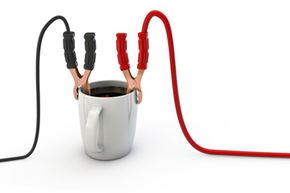
Caffeine is a naturally occurring chemical stimulant called trimethylxanthine. Its chemical formula is C8H10N4O2 (see Erowid: Caffeine Chemistry for an image of the molecular structure). It is a drug, and actually shares a number of traits with more notorious drugs such as amphetamines, cocaine and heroin. As we'll explain in more detail in the next few pages, caffeine uses the same biochemical mechanisms as these other drugs to stimulate brain function: If you feel like your mind is racing after drinking one too many espressos, you're not imagining things.
In its pure form, caffeine is a white crystalline powder that tastes very bitter. It is medically useful to stimulate the heart and also serves as a mild diuretic, increasing urine production to flush fluid out of the body.
Advertisement
Caffeine has been an integral part of global culture for hundreds of years. African folklore sets the discovery of coffee's energizing properties around 800 A.D., European and Asian accounts indicate that coffee and tea were local staples as early as the 1400s. Although coffee was often seen as a rare luxury for societies far removed from coffee-growing regions, foods and drinks made from other caffeine-containing plants were likely part of humankind's medical and nutritional arsenal since before recorded history [source: Fredholm].
Today, caffeine is used much as it has been for generations: It provides a "boost of energy" or a feeling of heightened alertness. Many former students can recall using strong coffee or caffeine pills to stay awake while cramming for finals. Likewise, drivers on long road trips often fill their cup holders with energy drinks or convenience-store coffees to help them push through to their destinations.
Remember, though, that caffeine shares some traits of those much harder drugs -- including the ability to cause addiction. Many people feel as though they cannot function in the morning without a cup of coffee (and its caffeine-powered boost) to kick-start the day. Caffeine's effects may be much milder than those of illicit drugs, but kicking a caffeine habit can be difficult for someone who has made the drug a large part of his or her diet and lifestyle.
Caffeine is unlike many other drugs in that it is abundant in what we eat and drink. Read on to learn more about what foods provide most of the world's caffeine, and discover the many ways in which consuming caffeine has become part of global culture.