Introduction to How Cholesterol Works
Have you ever been about to take a big bite of your triple chocolate fudge cake when someone leaned over and said "you better watch your cholesterol"? That's happening to all of us more frequently. According to The American Heart Association, high levels of cholesterol are a risk factor for coronary heart disease, the nation's number one killer. Over 100 million Americans have cholesterol levels that exceed the recommended total and 20 percent of Americans have levels that are considered high [ref].
![]() You can check nutrition labels, like this one from a can of tuna, for cholesterol information. |
What we don't often hear is the important fact that some cholesterol is vital to human life. In this article, we will take a look at cholesterol, both why it is needed for normal human--and animal--functions and why at high levels and in many individuals, it can be deadly. We'll also describe what contributes to and the treatments for high cholesterol levels so that you can take steps to limit your health risks. But first, let's answer an important question: "What is cholesterol?"
What is Cholesterol?
Cholesterol is a waxy, fat-like compound that belongs to a class of molecules called steroids. It's found in many foods, in your bloodstream and in all your body's cells. If you had a handful of cholesterol, it might feel like a soft, melted candle. Cholesterol is essential for:- Formation and maintenance of cell membranes (helps the cell to resist changes in temperature and protects and insulates nerve fibers)
- Formation of sex hormones (progesterone, testosterone, estradiol, cortisol)
- Production of bile salts, which help to digest food
- Conversion into vitamin D in the skin when exposed to sunlight.
The formation of cholesterol involves a series of complicated biochemical reactions that begin with the widespread 2-carbon molecule Acetyl CoA: Acetyl CoA (C2) --> mevalonate (C6) --> isopentenyl pyrophosphate (C5) --> squalene (C30) --> cholesterol (C27). Cholesterol is made primarily in your liver (about 1,000 milligrams a day), but it is also created by cells lining the small intestine and by individual cells in the body.
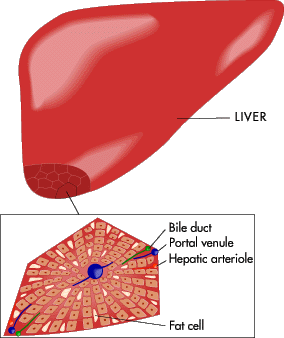
![]() Most of the body's cholesterol is manufactured in the liver. |
Blood Cholesterol vs. Dietary Cholesterol
It may surprise you to know that our bodies make all the cholesterol we need. When your doctor takes a blood test to measure your cholesterol level, the doctor is actually measuring the amount of circulating cholesterol in your blood, or your blood cholesterol level. About 85 percent of your blood cholesterol level is endogenous, which means it is produced by your body. The other 15 percent or so comes from an external source -- your diet. Your dietary cholesterol originates from meat, poultry, fish, seafood and dairy products. It's possible for some people to eat foods high in cholesterol and still have low blood cholesterol levels. Likewise, it's possible to eat foods low in cholesterol and have a high blood cholesterol level.So, why is there so much talk about cholesterol in our diet? It's because the level of cholesterol already present in your blood can be increased by high consumption of cholesterol and saturated fat in your diet. This increase in dietary cholesterol has been associated with atherosclerosis, the build-up of plaques that can narrow or block blood vessels. (Think about what happens to your kitchen drain pipes when you pour chicken fat down the sink.) If the coronary arteries of the heart become blocked, a heart attack can occur. The blocked artery can also develop rough edges. This can cause plaques to break off and travel, obstructing blood vessels elsewhere in the body. A blocked blood vessel in the brain can trigger a stroke.
Click the play button to learn more about atherosclerosis.
If the above animation isn't working, click here to download the Quicktime player.
The average American man eats about 360 milligrams of cholesterol a day; the average woman eats between 220 and 260 milligrams daily. So how are we doing? The American Heart Association recommends that we limit our average daily cholesterol intake to less than 300 milligrams. Obviously, people with high levels of cholesterol in the blood should take in even less.
Good vs. Bad Cholesterol
Comments about "good" and "bad" cholesterol refer to the type of carrier molecule that transports the cholesterol. These carrier molecules are made of protein and are called apoproteins. They are necessary because cholesterol and other fats (lipids) can't dissolve in water, which also means they can't dissolve in blood. When these apoproteins are joined with cholesterol, they form a compound called lipoproteins. The density of these lipoproteins is determined by the amount of protein in the molecule. "Bad" cholesterol is the low-density lipoprotein (LDL), the major cholesterol carrier in the blood. High levels of these LDLs are associated with atherosclerosis. "Good" cholesterol is the high-density lipoprotein (HDL); a greater level of HDL--think of this as drain cleaner you pour in the sink--is thought to provide some protection against artery blockage.A high level of LDL in the blood may mean that cell membranes in the liver have reduced the number of LDL receptors due to increased amounts of cholesterol inside the cell. After a cell has used the cholesterol for its chemical needs and doesn't need any more, it reduces its number of LDL receptors. This enables LDL levels to accumulate in the blood. When this happens, the LDLs begin to deposit cholesterol on artery walls, forming thick plaques. In contrast, the HDLs--the "good" guys--act to remove this excess cholesterol and transport it to the liver for disposal.
A third group of carrier molecules, the very low-density lipoproteins (VLDL) are converted to LDL after delivering triglycerides to the muscles and adipose (fat) tissue.
The levels of HDL, LDL and total cholesterol are all indicators for atherosclerosis and heart attack risk. People who have a cholesterol level of 275 or greater (200 or less is desirable) are at significant risk for a heart attack, despite a favorable HDL level. In addition, people who have normal cholesterol levels but low HDL levels are also at increased risk for a heart attack.
Risk Factors
There are a number of factors that influence a person's cholesterol levels. They include diet, age, weight, gender, genetics, diseases and lifestyle.
Diet
There are two dietary factors associated with increases in blood cholesterol
levels:
- Eating foods that are high in saturated fats, even if the fats themselves
do not contain cholesterol. (These include foods containing high levels of
hydrogenated vegetable oils, especially palm and coconut oils, avocados and
other high-fat foods of vegetable origin.)
- Eating foods containing high levels of cholesterol. (This group includes eggs and red meat--the most maligned of the cholesterol culprits--as well as lard and shrimp. These foods can significantly raise blood cholesterol levels, especially when combined with foods that are high in saturated fat.)
Age
The blood levels of cholesterol tend to increase as we age--a factor doctors
consider when deciding treatment options for patients with certain
cholesterol levels.
Weight
People who are overweight are more likely to have high blood cholesterol
levels. They also tend to have lower HDL levels. The location of the excess
weight also seems to play a role in cholesterol levels. A greater risk of
increased cholesterol levels occurs when that extra weight is centered in the
abdominal region, as opposed to the legs or buttocks.
Gender
Men tend to have higher LDL levels and lower HDL levels than do women,
especially before age 50. After age 50, when women are in their post-menopausal
years, decreasing amounts of estrogen are thought to cause the LDL level to
rise.
Genetics
Some people are genetically predisposed to having high levels of cholesterol.
A variety of minor genetic defects can lead to excessive production of LDLs or a
decreased capacity for their removal. This tendency towards high cholesterol
levels is often passed on from parents to their children. If your parents have
high cholesterol, you need to be tested to see if your cholesterol levels are
also elevated.
Diseases
Diseases such as diabetes can lower HDL levels, increase triglycerides and
accelerate the development of atherosclerosis. High blood pressure, or
hypertension, can also hasten the development of atherosclerosis, and some
medications used to treat it can increase LDL and triglycerides and decrease HDL
levels.
Lifestyle
Factors that negatively affect cholesterol levels also include high levels of
stress, which can raise total cholesterol levels, and cigarette smoking, which
can lower a person's HDL level as much as 15 percent. On the other hand,
strenuous exercise can increase HDL levels and decrease LDL levels. Exercise
also can help reduce body weight, which, in turn, can help reduce
cholesterol. Recent research has shown that moderate alcohol use (one drink per
day for women, two drinks a day for men) can raise HDL cholesterol and therefore
reduce the risk of heart attack. Despite such research, it is difficult to
recommend the habitual use of alcohol, because there are also negative health
consequences associated with alcohol use and a high potential for abuse.
Always remember that risk factors for high cholesterol and cardiovascular disease don't exist in a vacuum--they tend to amplify each other. Reducing the risk of a cardiovascular disease involves eliminating all of the risk factors that we can control and seeking medical advise for those we can't.
Testing and Prevention
How often should I have my cholesterol levels tested?
You should get your cholesterol tested every three to five years, more often
if you have high cholesterol levels. Please refer to the table below for
guidelines for total cholesterol, LDL and HDL levels.
| Desirable | Borderline | Undesirable | |
|---|---|---|---|
| Total Cholesterol | Below 200 | 200-240 | Above 240 |
| HDL Cholesterol | Above 45 | 35-45 | Below 35 |
| LDL Cholesterol | Below 130 | 130-160 | Above 160 |
| Total Cholesterol/HDL | Below 4.5 | 4.5-5.5 | Above 5.5 |
| LDL/HDL | Below 3 | 3-5 | Above 5 |
What can I do to reduce my cholesterol?
There are several steps you can take to reduce your cholesterol levels. The
first is to eat a low-fat, low-cholesterol diet. That means keeping your total
fat consumption--saturated, polyunsaturated and monounsaturated--to fewer than
30 percent of your daily intake of calories. (See How Fat Works for details.)
Remember to keep your cholesterol intake to fewer than 300 milligrams per day.
Saturated fats contained in butter, whole milk, hydrogenated oils, chocolate
shortening, etc. should comprise no more than one third of your total fat
consumption. To reduce your total fat and cholesterol intake, limit your
consumption of meats such as beef, pork, liver and tongue (always trim away
excess fat). In addition, avoid cheese, fried foods, nuts and cream, and try to
curb your intake of eggs to no more than four per week. Try to eat meatless
meals several times a week, use skim milk and include fish in your diet. Eat a
wide variety of vegetables, pasta, grains and fruit. Another good tip is to look
at the package label of the foods you buy, and restrict your choices to foods
containing 3 grams of fat or less per serving.
There is evidence that water-soluble fibers can aid in lowering cholesterol; these foods include the fiber in oat or corn bran, beans and legumes, pectin found in apples and other fruits, and guar that is used as a thickener. Although highly touted by the media and health food stores, the phospholipid Lecithin has not been confirmed as a reducer of blood cholesterol levels.
If you are overweight, trying to lose weight and including aerobic exercise in your routine can help raise those desirable HDL levels. Diet and exercise alone can decrease cholesterol levels by up to 15 percent.
It probably comes as no surprise to you that, if you smoke, you should quit to avoid a wide range of health problems, including lower HDL levels and increased risk of heart attack.
Medicating High Cholesterol
Sometimes positive changes in diet, lifestyle and exercise are not enough. In these cases, doctors may consider the use of medication that lowers cholesterol. The decision to have a patient begin medication is often based on high levels of LDL cholesterol and other risk factors for cardiovascular disease. For example, medication may be indicated if your LDL level is over 190 or is over 160 and you have several other risk factors for cardiovascular disease.Drugs that reduce LDL blood levels can prevent or reduce the build-up of artery blocking plaques and can limit the possibility of the release of those plaques as dangerous blood clots. There are several types of drugs that can help reduce blood cholesterol levels. The most commonly prescribed are the statins, HMG-CoA reductase inhibitors, including:
- Lovastatin (Mevacor)
- Simvastatin (Zocor)
- Atorvastatin (Lipitor), a new, highly potent drug
- Cholestyramine (Questran)
- Colestipol (Colestid)
- Gemfibrozil (Lopid)
- Fenofibrate (Tricor)
The decision to take cholesterol- or lipid-lowering drugs is not taken lightly by your doctor. These drugs can be fairly expensive and are often required for many years or even the rest of your life. It is also important to note that some of these drugs can have dangerous side effects, such as damage to the liver.
Adopting a healthy lifestyle and visiting your doctor regularly can help curb your risks of problem cholesterol. Have your cholesterol levels checked by a physician, rather than risk incorrectly interpreting numbers in self test kits currently on the market. Remember, cholesterol is necessary for life but it can also be very harmful and requires monitoring. So, watch your cholesterol and keep in mind that, for every 1 percent drop in your cholesterol level, your risk of heart attack is lowered by 2 percent.
For more information on cholesterol and related topics, check out the links on the next page.
Lots More Information
Related HowStuffWorks Articles
- How Food Works
- How Your Heart Works
- How Heart Disease Works
- How Congestive Heart Failure Works
- How Diagnosing Heart Disease Works
- How Aspirin Works
- How Blood Works
- How AIDS Works
- How Cells Work
- How does a blood pressure gauge (sphygmomanometer) work? What is blood pressure?
- What is open heart surgery and a bypass operation?
- How do human blood types work?
- How Vegetarians Work
- How Vegans Work