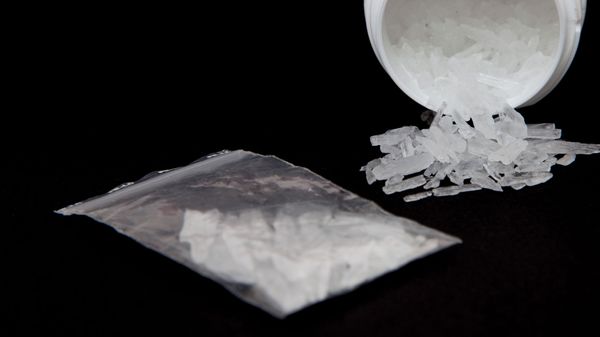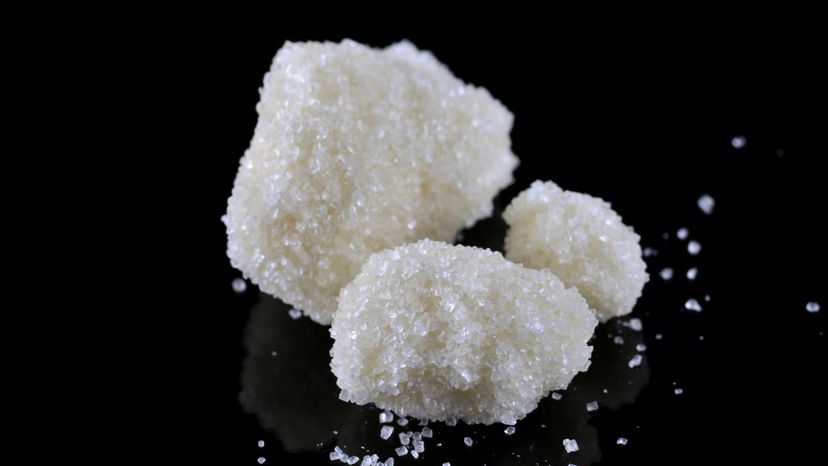
Introduction to How Crack Cocaine Works
|
http://www.na.org/ U.S. - (818) 773-9999 Europe - 32-2-646-6012 |
![]() Photo courtesy U.S. Drug Enforcement Administration Crack cocaine |
In this article, we'll explain how crack is made, what effects it has on the body and how law enforcement and health officials are working to stem its spread.
What is Cocaine?
![]() Photo courtesy U.S. DEA Coca plant |
Cocaine was first isolated from coca leaves in the mid-1800s. Back then, it was used for medicinal purposes in drinks -- and yes, the legend is true: Coca-Cola did once contain cocaine. By the late 1800s, cocaine was also being used as an anesthetic and to prevent excess bleeding during surgery. By the following century, people began to realize that cocaine was an addictive narcotic, and non-medical use of the drug was made illegal with the passage of the Harrison Narcotics Tax Act in 1914.
![]() Photo courtesy U.S. Drug Enforcement Administration Powder cocaine |
The chemical formula of cocaine is C17H21NO4. See IPCS: Cocaine for a look at its chemical structure.
|
|
Cocaine powder forms the base of freebase cocaine. Freebase cocaine has a low melting point, so it can be smoked. It is made by dissolving powder cocaine in water and a strong alkaloid solution such as ammonia. Then, a highly flammable solvent like ether is added, and a solid cocaine base separates out from the solution.
Crack cocaine is an easier-to-manufacture form of freebase cocaine.
Manufacturing Crack Cocaine
|
|
![]() Photo courtesy U.S. Drug Enforcement Administration Step 1 (left): Dissolving powder cocaine in hot water Step 2 (right): Adding sodium bicarbonate to the mixture |
![]() Photo courtesy U.S. Drug Enforcement Administration Step 3 (left): Boiling the solution to separate out the solids Step 4 (right): Cooling the separated mixture |
![]() Photo courtesy U.S. Drug Enforcement Administration Step 5: Filtering the cooled mixture to isolate the solids |
![]() Photo courtesy U.S. Drug Enforcement Administration Crack cocaine (in the filter on the right) |
Crack rocks are white or tan in color and typically range in size from .1 to .5 grams. According to the U.S. Drug Enforcement Agency (DEA), crack rocks contain between 75 percent and 90 percent pure cocaine.
Crack in the Body
![]() Photo courtesy U.S. DEA Crack cocaine is usually smoked. |
When it gets into the body, crack acts upon a part of the brain called the ventral tegmental area (VTA).
![]() |
It interferes with a chemical messenger in the brain called dopamine, which is involved in the body's pleasure response. Dopamine is released by cells of the nervous system during pleasurable activities such as eating or having sex. Once released, dopamine travels across a gap between nerve cells, called a synapse, and binds to a receptor on a neighboring nerve cell (also called a neuron). This sends a signal to that nerve cell, which produces a good feeling. Under normal conditions, once the dopamine sends that signal it is reabsorbed by the neuron that released it. This reabsorption happens with the help of a protein called the dopamine transporter.
Crack interrupts this cycle. It attaches to the dopamine transporter, preventing the normal reabsorption process. As dopamine builds up in the synapse, it continues to stimulate the receptor, creating a lingering feeling of exhilaration or euphoria in the user.
![]() |
Because crack is inhaled as a smoke, it reaches the brain much faster than inhaled powder cocaine. It can get to the brain and create a high within 10 to 15 seconds, compared to the 10 to 15 minutes it takes to feel the effects of snorted cocaine. The crack cocaine high can last anywhere from five to 15 minutes.
Side Effects of Crack Use
|
http://www.na.org/ U.S. - (818) 773-9999 Europe - 32-2-646-6012 |
As crack moves through the bloodstream, it first leaves the user feeling energized, more alert and more sensitive to sight, sound and touch. Heart rate increases, pupils dilate and blood pressure and temperature rise. The user may then start to feel restless, anxious and/or irritable. In large amounts, crack can make a person extremely aggressive, paranoid and/or delusional.
Because of its effects on the heart rate and breathing, crack can cause a heart attack, respiratory failure, strokes or seizures. It can also affect the digestive tract, causing nausea, abdominal pain and loss of appetite.
If crack is taken with alcohol, the two substances can combine in the liver to produce a chemical called cocaethylene. This is a toxic and potentially fatal substance that produces a more intense high than crack alone but also raises heart rate and blood pressure more than crack alone, leading to its potentially deadly results.
|
Since then, many researchers have challenged the idea of the crack baby. A 2004 study by the Society for Research in Child Development found that prenatal cocaine exposure did not affect a child's development by age two, and it suggested that the harmful effects previously found in cocaine-exposed babies may actually have had more to do with post-natal care than with exposure to the drug in the womb. But despite the recent findings, doctors agree that crack is absolutely unsafe to take during pregnancy. Babies who are exposed to crack in the uterus are often born prematurely and tend to be smaller than other babies. Crack exposure can also contribute to developmental and cognitive delays. |
How Do People Get Addicted to Crack?
|
http://www.na.org/ U.S. - (818) 773-9999 Europe - 32-2-646-6012 |
Crack and other addictive drugs chemically alter a part of the brain called the reward system. As mentioned previously, when people smoke crack, the drug traps the chemical dopamine in the spaces between nerve cells. Dopamine creates the feelings of pleasure we get from enjoyable activities such as eating and having sex. But in crack users, dopamine keeps stimulating those cells, creating a "high" -- a euphoric feeling that lasts anywhere from five to 15 minutes. But then the drug begins to wear off, leaving the person feeling let-down and depressed, resulting in a desire to smoke more crack in order to feel good again.
The brain responds to the dopamine overload of the crack high by either destroying some of it, making less of it or shutting down its receptors. The result is that, after taking the drug for a while, crack users become less sensitive to it and find that they must take more and more of it to achieve the desired effect. Eventually, they cannot stop taking the drug because their brains have been "rewired" -- they actually need it in order to function. How long does it take to become addicted? That varies from person to person, and an exact number is difficult to pin down, especially when physical addiction is paired with psychological addition.
Of course, not everyone reacts the same way to extended use. Some users actually become more sensitive to crack as they take it. Some people die after taking a very small amount because of this increased sensitization.
|
|
- Depression
- Anxiety
- Intense cravings for the drug
- Irritability
- Agitation
- Exhaustion
- Anger
In the next section, we'll discuss just how widespread this particular addiction is.
A Culture of Addicts?
In the mid-1980s, crack use exploded in the United States, primarily because of its quick high and relatively low cost: Crack cocaine costs significantly less than its powdered counterpart.
![]() Photo courtesy U.S. Drug Enforcement Administration Crack cocaine (left) costs less than powdered cocaine (right). |
The low cost of crack helps explain its rampant spread through poor, urban areas. The highest numbers of crack users are African-American men between the ages of 18 and 30 who come from low socioeconomic backgrounds.
|
|
Crack is not just a problem among adults. A 2003 Monitoring the Future Study by the University of Michigan found that nearly 4 percent of high school seniors and 2.5 percent of junior high school students said they had tried crack at least once.
![]() |
Crack addiction is taking a toll on America's health. In 2002, emergency rooms reported more than 42,000 crack-related cases to the Drug Abuse Warning Network. That number was down from nearly 49,000 in 2001, but up from the approximately 34,000 cases reported in 1995.
Crack is associated with more prostitution, violent crimes and gang-related crimes than any other drug.
In the next sections, we'll find out how the government is working to address the problem.
|
|
Addressing the Problem: Imprisonment
|
http://www.na.org/ U.S. - (818) 773-9999 Europe - 32-2-646-6012 |
![]() Photo courtesy FBI.gov |
Penalties and prison terms for crack users and sellers are harsher than for most other drugs. Crack-related prison terms are an average of nine-and-a-half years longer than other drug sentences. A dealer who sells 5 grams of crack can land in jail for up to 20 years. Selling 50 or more grams can result in a life sentence.
While local law enforcement officials try to round up crack users and sellers, the government is working to stop cocaine from getting into the country. In 2002, U.S. Customs officials seized more than 171,000 pounds (about 77,560 kg) of cocaine as smugglers attempted to move it across the border.
Addressing the Problem: Treatment
|
http://www.na.org/ U.S. - (818) 773-9999 Europe - 32-2-646-6012 |
Behavioral therapies are currently the most common way to treat crack addiction. Patients may be treated at either inpatient or outpatient centers. In 2002, 176,000 people were admitted to treatment centers for addiction to smoked cocaine, according to the Treatment Episode Data Set produced by the Substance Abuse and Mental Health Services Administration (SAMHSA). Crack admissions represented just under 10 percent of all admissions into drug- and alcohol-related treatment centers in 2002.
One of the most popular behavioral therapies is contingency management, which rewards addicts for staying drug-free by giving them vouchers for everything from movies to gym memberships. Another approach is cognitive-behavioral therapy, which teaches people how to avoid and/or deal with situations in which they might be tempted to use crack. People with severe addictions, mental illness or a criminal record may need to stay at a therapeutic community for a six- to 12-month period while they undergo rehabilitation and learn how to reenter society drug-free.
To learn more about crack cocaine, other drugs, treatment methods and related topics, check out the links on the next page.
Lots More Information
Related HowStuffWorks Articles
- How Oxycontin Works
- How Marijuana Works
- How Anesthesia Works
- How Your Brain Works
- How Congestive Heart Failure Works
- How Police Dogs Work
- How Customs Works
More Great Links
- Narcotics Anonymous
- American Council for Drug Education
- National Clearinghouse for Alcohol & Drug Information
- National Institute on Drug Abuse
- Office of National Drug Control Policy
Books
- Crack and Cocaine, by David Browne
- Psychological Effects of Cocaine and Crack Addiction, by Ann Holmes
- Crack in America: Demon Drugs and Social Justice, by Craig Reinarman and Harry Gene Levine
- Crack and Cocaine Drug Dangers, by Paul R. Robbins, Ph.D.
- Fast Lives: Women Who Use Crack Cocaine, by Claire E. Sterk
Sources
- "Annual Report 2003: the State of the Drugs Problem in the European Union and Norway."
- Arkangel, Carmelito, MD. "Cocaine Abuse," eMedicine, June 9, 2002.
- "Cocaine Abuse and Addiction," National Institute on Drug Abuse Research Report, May 1999.
- Crack Cocaine, StreetDrugs.org.
- Executive Office of the President Office of National Drug Control Policy, "Cocaine Fact Sheet," November 2003.
- Haasen, Christian, et al. "Cocaine Use in Europe - A Multi-Centre Study." European Addiction Research 2004; 10:139-146.
- National Drug Intelligence Center, "Crack Cocaine Fast Facts." Accessed November 8, 2004.
- National Institute on Drug Abuse, "InfoFacts: Crack and Cocaine." Accessed November 8, 2004.
- Office of National Drug Control Policy. "Crack - Facts & Figures." Accessed November 8, 2004.
- "Pulse Check: Trends in Drug Abuse, January-June 2002." Executive Office of the President Office of National Drug Control Policy, November 2002.
- Blake, Mariah. "The Damage Done: Crack Babies Talk Back," Columbia Journalism Review, Issue 5, September/October 2004.
- "Schumer: New Data Shows Westchester Becoming Vulnerable to Crystal Meth," DEA Press Release, August 5, 2004.
- "Study Questions 'Crack Baby' Syndrome," HealthDayNews, July 16, 2004.
- U.S. Customs and Border Protection. "Drug Interdiction Statistics by Fiscal Year."
- U.S. Department of Health and Human Services and SAMHSA's National Clearinghouse for Alcohol & Drug Information, "Tips for Teens: The Truth About Cocaine."
- U.S. Department of Justice, "What's Up With Cocaine & Crack?"