Using a moisturizer can temporarily improve the appearance of wrinkles.
Pando Hall/Photographer's Choice RF/Getty Images
Wrinkles. They look adorable on a shar-pei puppy. On the human body, they're considered less appealing. And while the shar-pei outgrows its wrinkles, the ones on people tend to deepen. It's part of the aging process.
Skin owes much of its firmness a fibrous protein called collagen. A second type of protein, elastin, supplies its spring. Oil-secreting glands make it soft and supple, and an underlying layer of fat adds contour. As the body ages, the cells that produce all of these substances become fewer in number and less vigorous. Lacking protein, the skin weakens and loses tone. It sags and creases as the fatty cushion thins and oils dry up.
Advertisement
The wear and tear of daily life also contributes to wrinkling. Normal aerobic processes -- that is, chemical reactions that use oxygen, which release the energy that cells need to function -- create free radicals. Free radicals are the unstable atoms or molecules that have lost or gained electrons through these reactions. Exposure to sunlight and cigarette smoke also produces free radicals, and is especially hard on collagen and elastin [source: WebMD]. Also, some cell functions release collagen-eating enzymes [source: Fisher et al].
Wrinkles are probably inevitable, but the shar-pei look is not. Over the next 10 pages, we'll explain how to reduce wrinkles by reversing the processes that cause them -- not with costly surgery or "anti-aging" creams, but with tried-and-true tips that are grounded in solid science.
Our first tip is an atomic peace-keeping mission. That may sound like a military term for nuclear warfare, but the weapons here are asparagus spears and carrot sticks.
As we said, free radicals have become unstable due to having an uneven number of electrons. Atoms naturally tend toward stability, however. To regain this state, a free radical may snatch an electron from a neighboring molecule, or unload its spare electron on its neighbor. That molecule may likewise scavenge from a neighbor.
Molecular instability can weaken and kill a cell by damaging its membrane. That can mean poor collagen production and other breakdowns in the mechanism of healthy skin.
Advertisement
Antioxidants are chemical compounds that break this chain by supplying electrons to mollify free radicals. Foods made from plants are rich sources of antioxidants, which include vitamins A, C and E, plus color-bearing compounds such as beta-carotene and anthocyanins. Antioxidants work best when combined. Filling your plate every day with a variety of deep-colored fruits and vegetables, as well as nuts and legumes, is the most effective way to add them in your diet.
Recent studies show that some antioxidants not only prevent damage from free radicals, but can also help reverse it. A form of vitamin A called retinol has been proven to reduce wrinkles by stimulating collagen-producing cells [source: Fisher et al]. Retinol is synthesized from beta-carotene. It's also found ready-made in liver, eggs and fortified (that is, vitamin-enriched) foods like cereals and dietary supplements. And vitamin E can be absorbed into cell membranes. Once there, it enables cells to repair damage caused by the reactions of fatty acids with oxygen, and can even help prevent that damage from occurring in the future [source: Howard et al].
Speaking of fats, they also play a role wrinkle reduction. Our next tip explains how.
9: Fish Around for Omega-3 Fats and Oils
Salmon is high in omega-3 fatty acids. To avoid overeating fats and proteins, go for a serving about the size of the palm of your hand.
Jupiterimages
Body fat helps to create a smooth appearance by giving skin its surface area, like hills rolling under sod. Dietary fats also improve skin health by nourishing skin cells. In the discussion of vitamin E on the previous page, we mentioned that fatty acids are a key component of cell membranes. Those membranes in turn help retain moisture, which plumps and firms up the cells. Getting adequate amounts of fats and oils in your diet helps return wrinkled skin to its former glory.
The fats and oils that are most helpful for reducing wrinkles come in the form of omega-3 fatty acids. These are abundant in oily fish such as tuna, salmon, herring and sardines. Good vegetarian sources include almonds, walnuts, flaxseed and sunflower seeds and oil.
Advertisement
As a bonus, omega-3 fatty acids are polyunsaturated, meaning they can also improve cardiovascular health.
But vitamins and fats aren't the only nutrients to combat wrinkles. Our next tip takes dietary recommendations down to earth.
8: Get a Trace of Trace Minerals
Of all the trace minerals needed for good health, two have particular value in reducing wrinkles. One is selenium. As an antioxidant, selenium neutralizes electron-hungry free radicals before they can damage skin cells. According to some sources, it also restores skin elasticity [source: Bauer].
The second mineral is copper. Copper is essential to the formation of collagen and elastin, those two important skin tissue proteins.
Advertisement
Like all trace minerals, these two are needed only in very small amounts. Good sources of selenium include tuna, salmon, Brazil nuts, eggs and whole grains such as brown rice, whole wheat and oats. You can find copper in legumes, beans and lentils, and nuts and shellfish.
Next: a suggestion that will suit fans of a certain beverage to a T.
7: Drink to Your Health
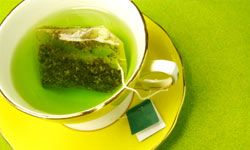
White tea is even better for your skin than green tea, but perhaps less interesting in photographs.
Some beverages are known for their antioxidant appeal. Among them are coffee, cocoa and tea. Recent studies show that green and white tea are superior in delivering antioxidants and hold potential for reducing wrinkles.
The antioxidants involved are catechins and epicatechins. These compounds are found in the leaves of all tea varieties. However, they're diminished by oxidation, which is part of the fermentation process used to make black tea. Green tea is not fermented and undergoes less oxidation. White tea, brewed from the youngest leaves of the plant, undergoes the least oxidation of all. As a result, both white and green varieties of tea retain more catechins and epicatechins. Moreover, white tea has been shown to stop enzymatic reactions that break down collagen and elastin [source: Thring et al.
Advertisement
For the most antioxidants, choose freshly brewed tea over instant or iced. And note that these findings apply only to true tea, Camellia sinensis, and not to herbal infusions like chamomile or mint.
Next: You may know this little legume in its dried, wrinkled state. Getting to know it better could save you from sharing its appearance.
6: Enjoy Soy Foods in Moderation
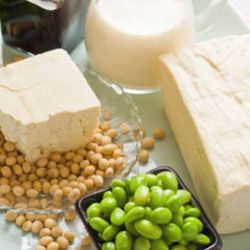
Soy is a versatile plant, so you'll have plenty of choices if you want to incorporate it in your diet: soy milk, tofu, edamamae and more.
The jury is still out regarding soy foods and their value in reversing wrinkles. Arguing in its favor: Soybeans contain high-quality protein and plant compounds called isoflavones, some of which are recognized antioxidants. In some studies, soy isoflavones were also shown to help grow collagen. Arguing against: All of these tests were done using animals, not people.
Likewise, in a small study involving humans, a compound made in the body by digesting fermented soy foods seemed to reduce fine lines around the eyes. The results were not conclusive, however. Plus, a lot of people lack the intestinal bacteria needed for this digestion. Topical creams that contain the soy isoflavone genistein might be more useful than consuming soy, but, again, the case is not yet closed [source: Jaliman].
Advertisement
Speaking of topical treatments, now that we've filled your plate with food choices we'll look at how to fight wrinkles from the outside.
5: Apply From the Outside
A growing number of health and beauty products claim to improve and nourish your skin. Many of these so-called cosmeceuticals (that is, cosmetic pharmaceuticals) include the same wrinkle-fighting nutrients found in food. However, the Food and Drug Administration approves these products only for their safety, not for their effectiveness. Improvements based on "clinical trials" and vague terms like "noticeable difference" may rely on nothing more measurable than the observations and impressions of those involved in the study -- which the company paid for.
Also, antioxidants in topical treatments are quickly degraded by oxidization on contact with air. Although airtight packages and the addition of stabilizing ingredients help reduce oxidation, you can't determine how much of their original potency these nutrients retain.
Advertisement
That being said, a handful of nutrient-based ingredients have been shown to reduce wrinkles. They include [source: Mayo Clinic]:
Retinol, you'll recall, is a form of vitamin A. It may be identified as retinoic acid or retinaldehyde on product labels.
Peptides are chains of amino acids. Amino acids are the building blocks of proteins, and proteins are the main component in skin. Copper peptides are thought to be especially effective.
Hydroxyacids occur naturally in many fruits. They're also found in the lactic acid in dairy foods. They help your skin shed dead cells, which induces new growth.
While these products may help reduce wrinkles, they don't prevent damage from the sun or pollutants. It's a good idea to use them at night and apply sunscreen during the day.
Are you willing to wander a little farther off the beaten path? Our next idea opens the gate to the road less traveled.
4: Consider Alternative Products with Care
Extracts from witch hazel have long been used in skin care, but probably never had anything to do with witches. The plant's name is thought to have come from the Old English verb "wice," meaning "to bend," which is a good descriptor of the plant's branches.
Johannes Simon/Getty Images News/Getty Images
In the beauty aisle and beyond, you'll find items that are sold -- and have been sold for centuries, in some cases -- as wrinkle reducers. Science is only just starting to catch up to these old wives' claims.
For example, witch hazel -- more accurately, a water-based solution made from the herb called witch hazel -- has long been applied topically in the hopes of tightening skin. Now, laboratory studies are showing that this plant has anti-inflammatory properties similar to white tea. Inflammation is part of the immune system's response to elements, such as tobacco smoke, that damage skin cells and thus lead to wrinkles. Extracts of rose and pomegranate also provided similar benefits [source: Thring et al].
Advertisement
If you decide to try an alternate remedy, exercise good sense. First, do some research. Make sure the treatment isn't inherently dangerous. Don't eat or drink anything not meant to be ingested, for instance, and remember that even healthful products can be harmful in large doses. Also consider cost-effectiveness. If the remedy involves an exotic product, like extract of angelica, the financial commitment can empty your wallet before you really see results.
Our next tip invokes the sports maxim that a good defense is the best offense.
3: Be Preventive and Proactive Against the Elements
It's never too early to begin protecting skin against the sun.
Protecting your skin from the elements is key to preventing wrinkles, but can also help reduce those you may have. For example, a broad-spectrum sunscreen with an SPF of 25 to 30 is effective in shielding against ultraviolet A and ultraviolet B (UVA and UVB) radiation from the sun. Some sunscreens also contain vitamin E or soy isoflavones. These products actually strengthen the skin barrier by helping to regenerate collagen.
Likewise, moisturizers help to retain fluid in the cells, which fills in wrinkles temporarily and improves overall skin health in the long run.
Advertisement
Some moisturizers contain collagen and keratin. These proteins also temporarily diminish wrinkles and protect the skin, but they can't be absorbed topically and added to your body's natural store -- it would be more worthwhile to make sure you're eating foods that contain these proteins instead.
Don't know which of these eye-opening tips to try first? Then our next suggestion is especially well timed.
2: Sleep On It
In addition to getting more sleep, try to sleep on your back as often as possible. This will help prevent you from smooshing your face (that's the technical term) and thus stressing your skin overnight.
Johannes Kroemer/Image Bank/Getty Images
How much sleep you get can make a night-and-day difference in the formation of wrinkles. During sleep, the body secretes human growth hormone (HGH). As the name suggests, HGH works to maintain healthy growth of all body tissues, the skin included.
Lack of sleep, on the other hand, triggers the release of a stress hormone, cortisol. Among its other effects, cortisol slows growth and reduces normal tissue maintenance. The skin's outer layer becomes drier and more susceptible to infection, sunlight and other harm that can lead to wrinkles.
Advertisement
The impact of sleep, and the lack thereof, is amplified as you reach middle age. That's when HGH production naturally tails off and wrinkles tend to develop naturally. HGH is included in some anti-aging creams and sold in supplements, but such treatments are not proven to work and may even have harmful side effects [source: Mayo Clinic]. It's best to stick with the HGH you've got and help it work to its full advantage by getting adequate sleep. For most adults, that means seven to nine hours of quality shut-eye per night [source: Morgenthaler].
But, you may ask, how can you sleep if you're worried about wrinkles? That question leads us to our last bit of advice.
1: Lighten Up on Life
It may sound simplistic, but "don't worry, be happy" could be an effective antidote to wrinkles. Stress can thin and weaken skin. Weaker skin is less able to resist the pull of gravity. Also, excessive, exaggerated facial expressions like frowns and scowls can aggravate or deepen wrinkles. All combined, an anxious, aggressive approach to life can increase wrinkles. So worrying about wrinkles may actually make them worse.
Instead, give your mind and body something more productive to do. De-stress with exercise or a hobby. Listen to music or watch a few of your favorite sitcoms [source: WebMD. If you think you can't fit down time in your schedule, learn time-management techniques. Taking control of your time can help reduce stress in itself [source:WebMD].
To put things in perspective, think of that shar-pei puppy we talked about on the first page. If it doesn't worry about its wrinkles, deep and numerous as they are, why should you worry about a few lines and creases?
American Academy of Dermatology. "Cosmeceuticals." (Feb. 4, 2012) http://www.aad.org/media-resources/stats-and-facts/cosmetic-treatments/cosmeceuticals
American Academy of Dermatology. "Dermatologists Can Help Separate Fact From Fiction for Sun Exposure, Sunscreen and Vitamin D." Nov. 10, 2009. (Jan. 31, 2012) http://www.aad.org/stories-and-news/news-releases/dermatologists-can-help-separate-fact-from-fiction-for-sun-exposure-sunscreen-and-vitamin-d
American Academy of Dermatology. "Managing Stress Can Help People Improve Their Skin Conditions." Aug. 4, 2011. (Jan. 31, 2012) http://www.aad.org/stories-and-news/news-releases/managing-stress-can-help-people-improve-their-skin-conditions
American Academy of Dermatology. "Skin Care on a Budget." (Jan. 31, 2012) http://www.aad.org/skin-care-and-safety/skin-health-tips/skin-care-on-a-budget
Bauer, Joy. "Eat your Way to Beautiful Skin." (Feb. 4, 2012) http://www.joybauer.com/healthy-living/food-for-beautiful-skin.aspx
Howard, Amber C., McNeil, Anna K., and McNeil, Paul L. "Promotion of Plasma Membrane Repair by Vitamin E." Nature Communications, Dec. 20, 2011. (Feb. 9, 2012) http://www.nature/ncomms/journal/v2/n12/full/ncomms1594.html
Fisher, Gary. J, Varani, James, and Voorhees, John J. "Fibroblast Collapse and Therapeutic Implications." Archives of Dermatology, May 2008. (Feb. 9, 2012) http://archderm.ama-assn.org/cgi/content/short/144/5/666
Mayo Clinic. "Human Growth Hormone (HGH): Does It Slow Aging?" Feb. 19, 2011. (Feb. 6, 2012) http://www.mayoclinic.com/health/growth-hormone/HA00030
Mayo Clinic. "Stress: Constant Stress Puts Your Health at Risk." Sept. 11, 2011. (Feb. 6, 2012) http://www.mayoclinic.com/health/stress/SR00001
Mayo Clinic. "Wrinkle Creams: Your Guide to Younger-Looking Skin." Oct. 12, 2010. (Feb. 4, 2012) http://www.mayoclinic.com/health/wrinkle-creams/SN00010
Morgenthaler, Timothy. "How Many Hours of Sleep Are Enough?" Dec. 4, 2010. (Feb. 9, 2012) http://www.mayoclinic.com/health/how-many-hours-of-sleep-are-enough/AN01487
Natural Cancer Institute. "Tea and Cancer Prevention: Strengths and Limits of the Evidence." Nov. 17, 2010. (Feb. 5, 2012) http://www.cancer.gov/cancertopics/factsheet/prevention/tea
National Institutes of Health. "Vitamin A and Bone Health." Jan. 2011. (Feb. 3, 2012) http://www.niams.nih.gov/Health_Info/Bone/Bone_Health/Nutrition/vitamin_a.asp
Parnes, Robin Brett. "Antioxidants: What You Need to Know." (Feb. 2, 2012) https://health.howstuffworks.com/wellness/food-nutrition/facts/antioxidant.htm
Sharecare. "How Are Sleep and Human Growth Hormone (HGH) Linked?" (Feb. 6, 2012) http://www.sharecare.com/question/are-sleep-and-hgh-linked
Shimer, Elizabeth Bowers. "Healthy Diet, Healthy Skin." June 18, 2011. (Jan. 25, 2012) http://www.webmd.com/skin-problems-and-treatments/acne/acne-care-11/diet-and-skin?page=1
Thring, Tamsyn SA, Hili, Pauline, and Naughton, Declan P. "Anti-collagenese, Anti-elastase and Anti-oxidant Activities of Extracts from 21 Plants." BMC Complementary and Alternative Medicine, Aug. 4, 2009. (Feb. 9, 2012) http://www.biomedcentral.com/1472-6882/9/27/abstract
Thring, Tamsyn SA, Hili, Pauline, and Naughton, Declan P."Anti-oxidant and Potential Anti-inflammatory Activity of Extracts and Formulations of White Tea, Rose, and Witch Hazel on Primary Human Dermal Fibroblast Cells." Journal of Inflammation, Oct. 13, 2011. (Feb. 9, 2012) http://www.journal-inflammation.com/content/8/1/27
University of Maryland Medical Center. "Skin Wrinkles and Blemishes -- Treatment." Dec. 30, 2008. (Jan. 31, 2012) http://www.umm.edu/patiented/articles/what_professional_resurfacing_procedures_skin_wrinkles_000021_5.htm
Watson, Stephanie. "Beauty and Skin Care: Vitamins and Antioxidants." Dec. 14, 2010. (Feb. 5, 2012) http://www.webmd.com/vitamins-and-supplements/lifestyle-guide-11/beauty-skin-care-vitamins-antioxidants?page=1
WebMD.com. "Cosmetic Procedures and Wrinkles." March 6, 2010. (Feb. 1, 2012) http://www.webmd.com/healthy-beauty/guide/cosmetic-procedures-wrinkles
WebMD. "Stress Management – Ways to Avoid Stress." April 20, 2011. (Feb. 9, 2012) http://www.webmd.com/balance/stress-management/stress-management-avoiding-unnecessary -stress
WebMD. "Stress Management – Ways to Relieve Stress." April 20, 2011. (Feb. 9, 2012) http://www.webmd.com/balance/management/stress-management-relieving-stress
About the Authors
Timothy Gower is a freelance writer and editor whose work has appeared in many publications, including Reader's Digest, Prevention, Men's Health, Better Homes and Gardens, The New York Times, and The Los Angeles Times. The author of four books, Gower is also a contributing editor for Health magazine.
Alice Lesch Kelly is a health writer based in Boston. Her work has been published in magazines such as Shape, Fit Pregnancy, Woman's Day, Reader's Digest, Eating Well, and Health. She is the co-author of three books on women's health.
Linnea Lundgren has more than 12 years experience researching, writing, and editing for newspapers and magazines. She is the author of four books, including Living Well With Allergies.
Michele Price Mann is a freelance writer who has written for such publications as Weight Watchers and Southern Living magazines. Formerly assistant health and fitness editor at Cooking Light magazine, her professional passion is learning and writing about health.
About the Consultants
Ivan Oransky, M.D., is the deputy editor of The Scientist. He is author or co-author of four books, including The Common Symptom Answer Guide, and has written for publications including the Boston Globe, The Lancet, and USA Today. He holds appointments as a clinical assistant professor of medicine and as adjunct professor of journalism at New York University.
David J. Hufford, Ph.D., is university professor and chair of the Medical Humanities Department at Pennsylvania State University's College of Medicine. He also is a professor in the departments of Neural and Behavioral Sciences and Family and Community Medicine. Dr. Hufford serves on the editorial boards of several journals, including Alternative Therapies in Health & Medicine and Explore.
Cite This!
Please copy/paste the following text to properly cite this HowStuffWorks.com article: