You sit in your cubicle like a zombie and pretend to look over expense reports. Your stomach growls like a cornered dog. As a test of will and determination, and because you have nothing better to do, you watch the noon hour pass with no lunch. One o'clock, you're feeling dizzy. Two o'clock, you're in a cold sweat. Three o'clock, you're under your desk in the fetal position, sucking your thumb. Finally, you give up and head for the break room to chow on a co-worker's leftover lo-mein. You down a gallon of water like a land-bound carp and finish your day in the bathroom.
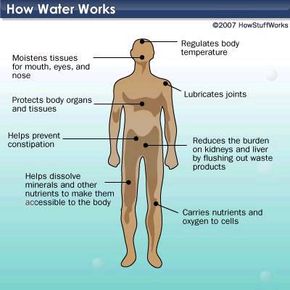
At work, you may think you can't go more than a few hours without food and water. Sitting in a discount office chair in your cubicle is certainly no way to test your limits. There are many factors that go into how long a human can survive without food and water, and the will to do so is one of them. Going without water isn't smart, and it doesn't take long before you're suffering from dehydration. Food is a different story. Humans can go quite a long time without food as long as they're well hydrated. Your body weight, overall health and the weather play into the scenario as well. So the answer to the question isn't easy and depends on the person and the situation.
Advertisement
In this article, we'll take a good look at these factors and what might happen to your body if you go without either. We'll also learn some incredible stories of people that defied the odds without a crumb or drop.