by the Editors of Consumer Guide

Cite This!
Please copy/paste the following text to properly cite this HowStuffWorks article:

of Consumer Guide, the Editors.  "17 Home Remedies for Nail Problems."  20 January 2007.  HowStuffWorks.com. <http://health.howstuffworks.com/skin-care/nail-care/tips/home-remedies-for-nail-problems.htm>  08 November 2009.
Healthy Skin with Dr. Oz

Natural Home Remedies for Nail Problems

There are several natural home remedies for problem fingernails and toenails, too. Read on to learn about helpful items from your kitchen.

Home Remedies From the Cupboard

Baking soda. Clean your nails and soften cuticles by scrubbing them with a nailbrush dipped in baking soda.

Salt. Soaking painful ingrown nails in a warm saltwater solution will help ease the pain and relieve swelling. Add 1 tablespoon salt per quart of water and soak for 30 minutes. A saltwater soak can also make tough nails easier to trim. Try soaking nails in the same solution for five to ten minutes before trimming.

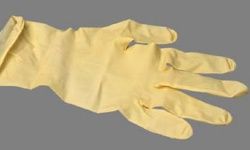
Wear vinyl gloves to keep your nails safe from harmful chemicals.
©2007 Publications International, Ltd.
Wear vinyl gloves to keep your nails safe from harmful chemicals.

Home Remedies From the Drawer

Vinyl gloves. Wear vinyl gloves for wet work. Exposing your hands to moisture too often, or getting your hands in harsh detergents or chemicals, can cause brittle nails. Wearing vinyl gloves, not latex or rubber, keeps your hands dry and safe from abrasive materials. To repel moisture even more, try sprinkling a little baby powder in your gloves, or wear a pair of cotton inserts under the gloves.

Cotton gloves. For dry work, wear cotton gloves. You'll help protect nails from damage or possible injury.

Home Remedies From the Supplement Shelf

Biotin. Although the evidence isn't conclusive, a few small studies suggest that this B vitamin may strengthen brittle nails. Ask your doctor about taking biotin supplements.

Practicing these home remedies will help keep nail problems at bay. Remember -- proper care and maintenance will keep your fingernails healthy and strong.

Secrets Your Nails Reveal
The eyes may be the window to the soul, but your fingernails may provide a peek into the status of your health. Remember, the symptoms listed here may signal the health problems listed; they do not provide definite diagnoses. But if you notice any of these, let your doctor know.

Pale or bluish nails: This may indicate anemia.

Pink color slow in returning after nail is squeezed: This may indicate decreased or slowed blood circulation.

White spots: These result from injury to the nail; they're not due to zinc or other nutrient deficiency as some people believe.

Beau's lines: These horizontal depressions occur after a traumatic event, such as a high fever. You might even be able to determine how long ago the event occurred by the length of the nail and the rate at which it grows.

White lines parallel to the lunula (and not the cuticle): These may indicate some sort of systemic (body-wide) insult.

Clubbed nails: These nails are shaped like the backside of a spoon and may indicate cardiopulmonary disease or asthma.

Spoon nails: These dip inward and could indicate certain types of anemia or injury.

Pitted nails: These punched-out-looking spots may signify psoriasis.

Anything resembling a wart around the nail: This could be a skin cancer and needs to be examined by a doctor.

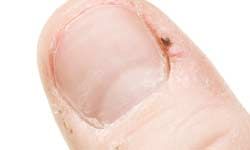
Dark spot: This could be melanoma, the most dangerous type of skin cancer. If the spot "bleeds" into the cuticle or nail folds or if you're fair skinned, this is a serious warning sign that requires immediate medical attention.

For more information about nail, skin, and foot problems, try the following links:

ABOUT THE AUTHORS:

Timothy Gower is a freelance writer and editor whose work has appeared in many publications, including Reader's Digest, Prevention, Men's Health, Better Homes and Gardens, The New York Times, and The Los Angeles Times. The author of four books, Gower is also a contributing editor for Health magazine.

Alice Lesch Kelly is a health writer based in Boston. Her work has been published in magazines such as Shape, Fit Pregnancy, Woman's Day, Reader's Digest, Eating Well, and Health. She is the co-author of three books on women's health.

Linnea Lundgren has more than 12 years experience researching, writing, and editing for newspapers and magazines. She is the author of four books, including Living Well With Allergies.

Michele Price Mann is a freelance writer who has written for such publications as Weight Watchers and Southern Living magazines. Formerly assistant health and fitness editor at Cooking Light magazine, her professional passion is learning and writing about health.

ABOUT THE CONSULTANTS:

Ivan Oransky, M.D., is the deputy editor of The Scientist. He is author or co-author of four books, including The Common Symptom Answer Guide, and has written for publications including the Boston Globe, The Lancet, and USA Today. He holds appointments as a clinical assistant professor of medicine and as adjunct professor of journalism at New York University.

David J. Hufford, Ph.D., is university professor and chair of the Medical Humanities Department at Pennsylvania State University's College of Medicine. He also is a professor in the departments of Neural and Behavioral Sciences and Family and Community Medicine. Dr. Hufford serves on the editorial boards of several journals, including Alternative Therapies in Health & Medicine and Explore.

This information is solely for informational purposes. IT IS NOT INTENDED TO PROVIDE MEDICAL ADVICE. Neither the Editors of Consumer Guide (R), Publications International, Ltd., the author nor publisher take responsibility for any possible consequences from any treatment, procedure, exercise, dietary modification, action or application of medication which results from reading or following the information contained in this information. The publication of this information does not constitute the practice of medicine, and this information does not replace the advice of your physician or other health care provider. Before undertaking any course of treatment, the reader must seek the advice of their physician or other health care provider.

Symptom Checker
Learn more about what ails you. Here are some common symptoms.
Common Symptoms:
Diseases A-Z
A comprehensive guide with three thousand articles, including images and multimedia.
Common Conditions: