
Alcohol and the Rest of the Body
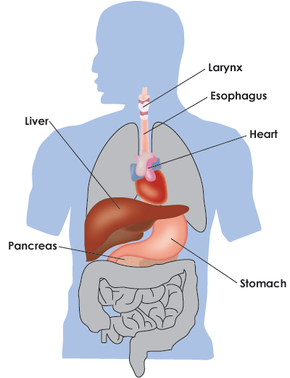
Drinking excessive amounts of alcohol can seriously harm your health, damaging the liver, kidneys, heart, brain and central nervous system.
We already discussed long-term damage to the brain. Over time, alcohol can inflict serious damage on other body parts as well.
Advertisement
- Liver: The liver is particularly vulnerable to the effects of alcohol because it is the organ in which alcohol and other toxins are metabolized (broken down into less harmful substances to be removed from the body). Drinking over a long period of time can lead to alcoholic hepatitis, or inflammation of the liver. Symptoms of this condition include nausea, vomiting, fever, loss of appetite, abdominal pain and jaundice (a yellowing of the skin). Up to 70 percent of people with alcoholic hepatitis develop cirrhosis. With this condition, healthy liver tissue is replaced by scar tissue, which eventually renders the liver unable to function.

Photo courtesy National Library of Medicine
- Stomach: Alcohol irritates the lining of the stomach and intestines, causing vomiting, nausea and eventually ulcers.
- Pancreas: The pancreas releases the hormones insulin and glucagon, which regulate the way food is broken down and used for energy by the body. Long-term drinking can lead to inflammation of the pancreas (pancreatitis).
- Cancer: Research indicates that long-term drinking increases the risk of cancers of the mouth, throat, larynx and esophagus.
The effects of alcohol are even more marked in adults over 65, because their bodies don't metabolize alcohol as well as those of younger adults. Women also have more difficulty metabolizing alcohol than men, because they are typically smaller and lighter in weight. Also, alcohol can be deadly when combined with certain medications, such as pain killers, tranquilizers and antihistamines.