
Certain painkillers are more effective at combating a hangover than others. For instance, Excedrin can be helpful for a headache because it combines acetaminophen for the pain and caffeine to reduce the size of the pounding blood vessels; however, prolonged combination of alcohol and acetaminophen has been shown to cause liver damage, and caffeine is a diuretic.
Aspirin is a non-caffeinated pain reliever and is also in a class of anti-inflammatory drugs known as prostaglandin inhibitors. High levels of prostaglandin have been associated with increased hangover severity. In one study, participants who took a prostaglandin inhibitor before bed reported less of a headache and less nausea and thirst than those who had drank the same amount of alcohol but did not take the prostaglandin inhibitor before bed. If you have a sensitive stomach, though, beware -- taking aspirin after drinking can make your stomach hurt even worse.
Advertisement
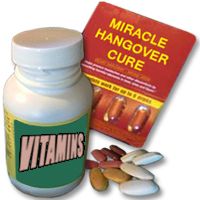
Hangover remedies such as Chaser, Sob'r-K Hangover Stopper, RU-21, Berocca and Rebound differ greatly in both price and ingredients, so their effectiveness varies accordingly. They're classified as dietary supplements, meaning:
The manufacturers claim these products work because they make use of the effective filtering qualities of carbon to reduce the number of impurities the body has to process. There's no science to back up the claim, however. As for RU-21, marketed as a secret KGB pill, the manufacturer says specifically that it's not an anti-hangover pill but a supplement for detoxification. (By the way, its main ingredients -- dextrose, L-Glutamine and vitamin C -- can be found in high amounts in everyday foods). Rebound has the same ingredients as RU-21 plus a few other vitamins and oddities such as "young barley grass juice powder," but it is still basically a multivitamin. Berocca, again, is not a hangover cure -- it's simply a multivitamin that claims to increase energy naturally (through vitamins).
OTC remedies often use caffeine to help relieve pain -- do you know why? Test your knowledge in the Caffeine Quiz.
And what about alcohol? Take the Alcohol Quiz and see how much you know about this substance.
The secret to most of these purported "miracle cures" may in fact be the amount of water a drinker ingests when taking them. Many require taking a pill (or two) with a glass (or two) of water before drinking alcohol, and then continuing to take the pills over the course of the evening with full glasses of water, before bed with a full glass of water, and upon waking with a full glass of water. The hydration alone greatly improves the chances of having little-to-no hangover, and the vitamins in the pills just give it a little, albeit expensive, boost.
The only complete cure for a hangover is time. No matter what a drinker does, the body still has to clean up all the toxic byproducts left over from the evening before.
For more information about hangovers and additional drug and alcohol articles, check out the links on the next page.
Advertisement