Where Do Lice Originate From? Pardon the Head-scratcher

By: Wren Corvayne  | 
lice check
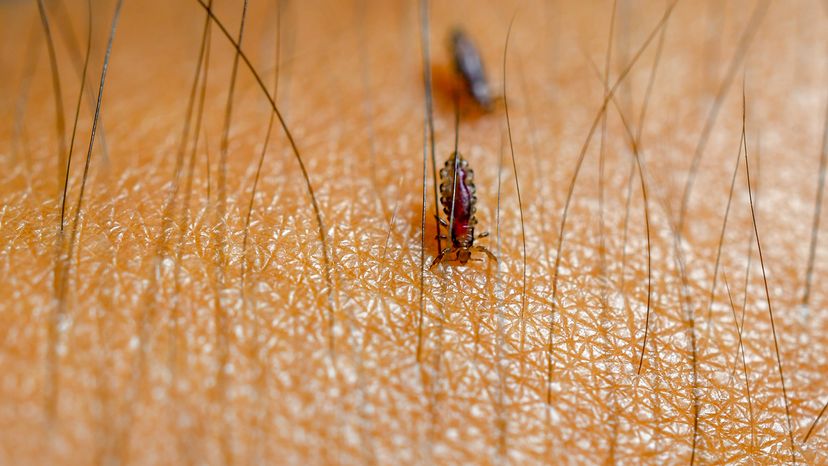
Head lice actually live in fabrics. They only go to your scalp to feed. New Africa / Shutterstock

Where do lice originate from? The truth is that this parasitic insect that has been living on Earth for millions of years.

Lice are wingless insects that feed on human blood and live on the scalp, body, or pubic area. Despite modern treatments, head lice remain a common nuisance, especially among children.

Advertisement

Lice and Their Ancient Origins

lice
For an adult, head lice can be embarrassing in addition to itchy. PPK_studio / Shutterstock

Human lice include three main types: head lice (Pediculus humanus capitis), body lice (Pediculus humanus corporis), and pubic lice (Pthirus pubis). All are parasitic insects that evolved alongside humans.

Genetic studies suggest lice have been feeding on human blood for hundreds of thousands of years, adapting as our species migrated and changed.

Advertisement

Lice likely split into head and body varieties when humans began wearing clothing; body lice live in clothing fibers and only move to the skin to feed. Pubic lice, on the other hand, are more closely related to lice found on gorillas, suggesting a unique evolutionary path.

How Lice Spread

The most common way head lice spread is through head-to-head contact. This can happen during play, sleepovers, or sharing personal items like combs, hats, or hair accessories. Close physical contact is usually required because lice can't jump or fly.

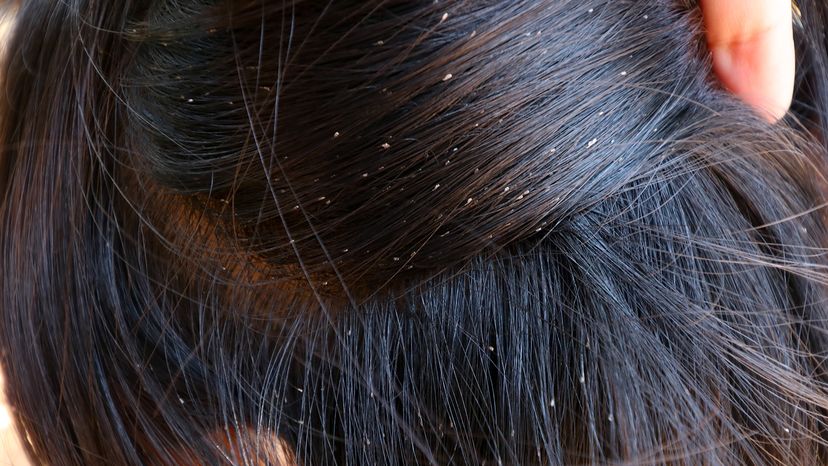
Female lice lay eggs (nits) near the base of hair shafts on a person’s head. These tiny white eggs are glued to human hair and hatch into young lice. Adult lice are about the size of a sesame seed and live close to the human scalp, feeding several times a day.

Advertisement

Body lice lay eggs in clothing, and pubic lice nest in coarse hair in the pubic area, but may also appear in other hairy regions. All types rely on a human host for survival and do not live long off the body.

Head Lice Infestation and Risk Factors

lice
Lice eggs (nits) are difficult to eradicate if you don't catch the lice problem early. assiduousness / Shutterstock

Head lice infestation is not a sign of poor hygiene. Even the cleanest heads can get lice. Children are most often affected due to frequent close contact. Lice clinics and schools frequently report outbreaks, especially in shared spaces.

Risk factors include direct contact with an infested person or their belongings. While some people may have no symptoms, others experience an allergic reaction to louse bites, leading to itching and scalp irritation.

Advertisement

Treating and Killing Head Lice

To treat head lice, over-the-counter or prescription lice treatments are available. These products aim to kill head lice and eggs. It's essential to follow instructions carefully and repeat treatment if needed.

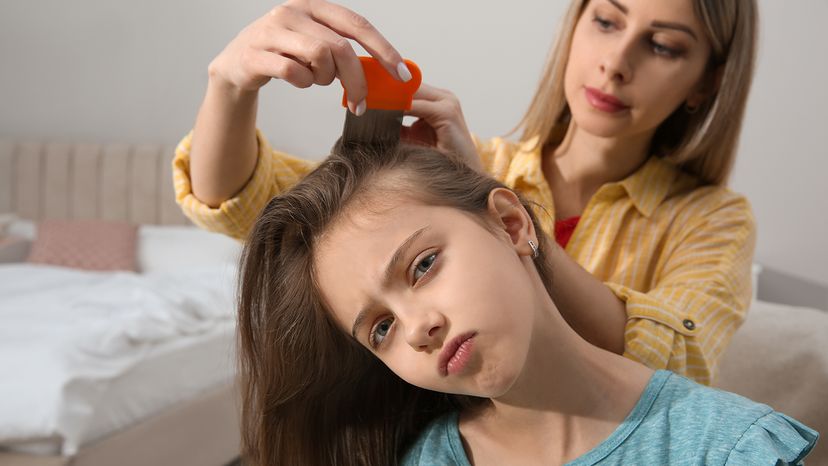
Using a very fine comb to remove nits is a key part of effective lice treatment. Washing bedding, clothing, and personal items used in the last 48 hours helps prevent reinfestation. Avoiding close contact with an infested person also limits spread.

Advertisement

Lice in the Bigger Picture

Beyond individual infestations, lice have played roles in public health. Body lice can transmit infectious diseases like relapsing fever and trench fever, especially in conditions of poor hygiene and crowding.

From an evolutionary standpoint, lice offer insights into human migration and adaptation. The co-evolution of lice and humans is ongoing, shaped by our behaviors, hygiene habits, and immune systems.

Advertisement

We created this article in conjunction with AI technology, then made sure it was fact-checked and edited by a HowStuffWorks editor.

Advertisement

Loading...