Most Types of Weed Fall Into 4 Categories

By: Wren Corvayne  | 
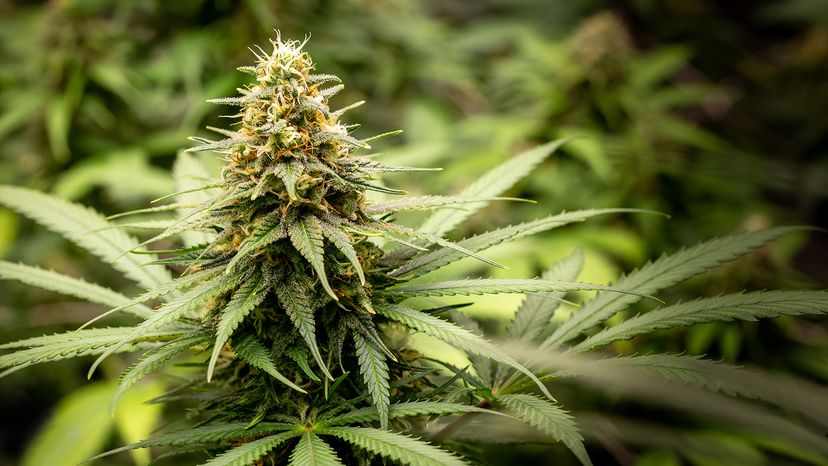
OK, you know about sativa and indica, but what about ruderalis? Anucha Naisuntorn / Shutterstock

When people ask about the types of weed, they usually mean the major biological categories and popular strains of the cannabis plant. Cannabis has been cultivated for thousands of years for fiber, medicine and recreational purposes, and today thousands of named strains are available to consumers.

Modern cannabis research shows that the effects of marijuana depend largely on its chemical makeup. Compounds called cannabinoids and aromatic molecules known as terpenes may contribute to how cannabis affects the body and mind, but specific terpene-related effect claims require further scientific validation.

Advertisement

More than 700 cannabis cultivars have been cataloged, but Cannabis is often treated as a single species with substantial variation, and commercial labels such as sativa, indica and hybrid do not consistently align with product chemical composition. Growers often cross these plants to create hybrid strains with specific levels of THC, CBD and other cannabinoids.

Cannabis Sativa

Cannabis sativa plants are typically tall with thin leaves and a prominent central vein running through each leaf blade. These plants often develop fibrous stems and a large root system that helps them grow in warm climates.

Products labeled sativa are often described as energizing, but scientific evidence does not support using sativa labels to reliably predict psychoactive effects such as focus or creativity.

Advertisement

The effects come from cannabinoids produced by glandular trichomes on the plant's flowers and leaves. These structures secrete compounds such as THC and CBD along with aromatic cannabis terpenes.

Cannabis Indica

Cannabis indica plants usually grow shorter and bushier than sativa plants. Their leaves are broader and darker and some varieties develop purple leaves when exposed to cooler temperatures.

These plants originated in regions near the Hindu Kush Mountains of Central Asia. Products labeled indica are often described as calming or sedating, but scientific evidence does not support using indica labels to reliably predict such effects or appropriate time-of-day use.

Advertisement

Because cannabis products can vary widely in chemical composition, they are sometimes used for anxiety or sleep, but these effects cannot be reliably predicted from an indica label.

Cannabis Ruderalis

Cannabis ruderalis is a lesser-known cannabis type that evolved in colder parts of Europe and Asia. Individual plants tend to be small and hardy with a short life cycle.

This type typically contains very low THC content compared with many commercial cannabis strains. Breeders often cross ruderalis plants with sativa or indica parent plants to create hybrid strains that flower automatically. Although ruderalis itself is rarely used directly, it plays a key role in modern cannabis hybrids.

Advertisement

Hybrid Cannabis Strains

Hybrid strains combine genetics from sativa plants and indica plants. Breeders create these strains cannabis growers rely on to produce specific chemical profiles.

Most strains on the market today are hybrids. Their THC ratio and CBD content vary widely depending on the parent plants used during breeding.

Advertisement

The goal is often to balance psychoactive effects with therapeutic effects. Some hybrids aim to relieve chronic pain while others focus on mood or energy.

6 Strains You May Find at Your Local Dispensary

1. Durban Poison

Durban Poison is a cannabis strain name, but terms such as pure sativa are not standardized and do not reliably predict product chemical composition or effects. Reported effects for products sold under the name Durban Poison can vary widely and cannot be reliably inferred from the strain name alone.

Anecdotal reports about this strain name vary, and strain names and sativa/indica labels are not reliable indicators of effects. Like other cannabis products, its effects depend on the strain's levels of THC and other cannabinoids.

Advertisement

2. Sour Diesel

Sour Diesel is a cannabis strain name, but labels such as sativa-dominant hybrid do not reliably predict product chemical composition or effects. The strain gets its name from a strong fuel-like scent.

Measured THC levels and psychoactive effects can vary widely across products sold under the name Sour Diesel. It's commonly considered a "daytime" strain, but time-of-day use preferences vary by person.

3. Blue Dream

Blue Dream is a cannabis strain name, but labels such as sativa-dominant hybrid do not reliably predict product chemical composition or effects, and reported effects vary widely. Many users report a combination of mental stimulation and mild physical relaxation.

Its popularity illustrates how hybrid strains can blend characteristics from different cannabis types. The chemical makeup of products sold under the name Blue Dream can vary widely in THC and other cannabinoids.

4. Green Crack

Green Crack is a cannabis strain name, but labels such as sativa and effect claims such as sharp mental focus are not reliably supported by standardized evidence, and product chemical composition can vary widely. Despite its name, it is simply a cannabis strain and not related to other psychoactive drugs.

Many people choose it for activities that require attention or creativity (even though such effects are not scientifically supported).

5. Girl Scout Cookies (GSC)

Girl Scout Cookies, often shortened to GSC, is a cannabis strain name, but labels such as indica-dominant hybrid do not reliably predict product chemical composition or effects. Measured THC content can vary widely across products sold under the name GSC, and potency cannot be assumed from the strain name alone.

Strains like GSC illustrate how cannabis plants can be bred for a range of THC:CBD ratios.

6. Wedding Cake

Wedding Cake is a cannabis strain name, but labels such as indica-dominant hybrid do not reliably predict product chemical composition or effects. Reported effects vary, and sativa/indica labels are not reliable indicators of effects.

High THC levels in strains like this contribute to their psychoactive effects. However the presence of CBD and other cannabinoids can modify how those effects feel.

Advertisement

More About Weed Strains

Cannabinoids are chemical compounds produced by cannabis plants that interact with the human nervous system. Two of the most abundant cannabinoids in cannabis are tetrahydrocannabinolic acid (THCA) and cannabidiolic acid (CBDA), which can be converted to THC and CBD once heated. THC is the main psychoactive constituent responsible for the "high" associated with marijuana. CBD does not produce intoxication but is often studied for possible therapeutic effects.

Researchers studying cannabis and cannabinoid research note that more than 150 different terpenes have been identified in cannabis. These molecules shape the plant's smell and may also influence how cannabinoids affect the body.

Advertisement

People consume cannabis in many forms including smoking, vaping devices similar to e cigarettes, edible food products, tinctures and capsules. Edibles take longer to produce effects than smoking because the body must digest them first. Cannabis concentrates such as hash oil contain higher levels of cannabinoids than dried flower. These concentrates can be vaporized or dabbed, producing stronger effects.

The History of Types of Weed, Including Cannabis Indica and Sativa Strains

Cannabis has a long human history. Archaeological evidence shows it was domesticated about 12,000 years ago in East Asia. The Greek historian Herodotus described Scythians using cannabis in steam baths around 440 BCE.

Over centuries the plant spread through the Islamic world into North Africa and eventually the western hemisphere. Today cannabis is used both recreationally and medically, including treatments aimed at chronic pain, nausea during chemotherapy and muscle spasms related to neurological conditions.

Advertisement

The distinction between indica and sativa strains developed much later as cannabis spread across different regions and adapted to local climates. In the 18th century, European botanists began classifying cannabis plants based on physical traits. Carl Linnaeus first identified Cannabis sativa in 1753, describing tall plants with narrow leaves commonly found in Europe and western Asia.

Later, in 1785, Jean-Baptiste Lamarck identified Cannabis indica from plants in India, noting their shorter structure and broader leaves. Over time, these labels became associated not just with plant appearance but also with different growing patterns and effects, although modern cultivation has blended many traits through hybridization.

Advertisement

Understanding Cannabis Through the Chemovar Classification System

Researchers now increasingly classify cannabis using a “chemovar” system, which focuses on the plant’s chemical profile rather than its physical appearance.

Instead of grouping cannabis into broad categories like sativa or indica strains, this approach looks at the specific levels of compounds such as THC (tetrahydrocannabinol), CBD (cannabidiol), and other cannabinoids, along with aromatic compounds called terpenes. These elements work together to influence how a particular strain may affect the body and mind.

Advertisement

By analyzing these chemical combinations, the chemovar system offers a more precise way to understand and predict user experiences. For example, a product with higher THC levels may produce stronger psychoactive effects, while one with more CBD may be associated with a calmer experience.

Terpenes can also play a role in shaping how a product feels, contributing to differences in mood, relaxation, or focus. This method allows for more informed choices, especially for medical use, where consistency and predictability are important.

Scientists continue to study cannabis through organizations such as the National Institute on Drug Abuse and the National Institutes of Health, and through peer-reviewed journals such as Cannabis and Cannabinoid Research. Public health researchers note that modern cannabis products often contain more THC than in past decades, which may increase certain health risks.

We created this article in conjunction with AI technology, then made sure it was fact-checked and edited by a HowStuffWorks editor.

Advertisement

Advertisement

Loading...