When it comes to preventing kidney stones, what you should eat is just as important as what you should not eat. Read on for home remedies, in the form of foods and supplements found in most kitchens.
Home Remedies From the Cupboard
Bran flakes. Fiber helps get rid of calcium and oxalate in your urine, which cuts the risk of kidney stones. A bowl of bran flakes can give you 8 mg of fiber.
Mesh strainer. If you are passing a kidney stone, doctors recommend catching it. Urinating through a mesh strainer is one of the easiest ways to trap your stone. Allowing your doctor to analyze the stone's content can offer clues about what caused your stones to form and give you more success in treating your stone problem.
Two-liter bottle. Many doctors recommend measuring your urine output if you are at risk for kidney stones. You should be urinating at least the equivalent of a two-liter bottle every day. Carrying a bottle to the bathroom with you may seem odd, but if you're having kidney stone trouble, knowing that your kidneys are functioning fluidly will ease your mind.
Whole-wheat bread. A couple slices of whole-wheat bread contain a good amount of magnesium, a mineral known for averting stones. One study found that people who got an adequate amount of magnesium stopped getting kidney stones altogether.
Salt. There's also a high correlation between kidney stones and salt intake. Limit your sodium consumption to no more than two grams per day.
Nettle leaf. Drinking plenty of water is the undisputed champion of kidney stone prevention. Some herbal teas, such as those made from the leaves of stinging nettles, may enhance the benefits of water by acting as natural diuretics.
The nettle leaf has a long tradition of safely promoting urination. By keeping water flowing through the kidneys and bladder, nettle helps keep crystals from forming into stones and washes bacteria away. It may also help maintain a kidney-stone-busting balance of electrolytes in the urine. Though further research is needed, drinking 2 to 3 cups of nettle leaf tea per day may help prevent kidney stones. Mix 1 to 2 tablespoons dried nettle leaf with 1 cup hot water and steep for 10 to 15 minutes.
Dried nettle leaf should be stored in an airtight container, away from light and heat. It will last as long as a year if protected. You must either grow them in the garden or have a nearby source to harvest them from the wild. Keep fresh nettles in a plastic bag in the refrigerator.
Home Remedies From the Refrigerator
Carrots. Vitamin A is an essential ingredient for healthy kidneys. One carrot can give you twice your daily requirements for this kidney-friendly nutrient. Foods rich in vitamin A include sweet potatoes, pumpkin, winter squash, broccoli, and carrots.
Chicken. The B vitamins, specifically vitamin B6, are well-known stone fighters. Vitamin B6 keeps the body from building up excess oxalate. Too much oxalate is a major factor in kidney stone formation. Three ounces of chicken provide more than one-third of your daily needs.
Milk. Something to put in your strange but true file. Though calcium is one of the major minerals in kidney stones, recent evidence shows that not getting enough calcium can actually increase chances of getting a stone. The reason: When you have lower levels of calcium, your body produces more oxalate, which makes you more at risk for kidney stones. One study found that men who ate the most calcium had a 34 percent less chance of developing stones than those who ate the least amount of calcium. How much is enough? Meeting your recommended daily allowance, which for most adults is between 1,000 and 1,200 mg a day, the amount in about three glasses of milk, should do the trick.
Home Remedies From the Supplement Shelf
Vitamin A. As we've mentioned, Vitamin A is necessary for the overall health of your urinary tract. The Recommended Daily Allowance (RDA) of vitamin A for healthy adults is 5,000 international units, which should be easily met through a varied, balanced diet. However, if you get too much A, your body won't excrete the excess, and the buildup can be toxic. See your doctor if you are unsure how much A your body is getting.
Vitamin B6. Scientists have found that vitamin B6 may actually lower the amount of oxalate in the blood, thereby reducing the risk of stone formation. Magnesium, too, seems to be helpful in preventing stones. Your doctor may suggest a daily supplement of B6 and/or magnesium or a drug that combines the two. If you take a supplement of vitamin B6, don't take more than 25 milligrams a day.
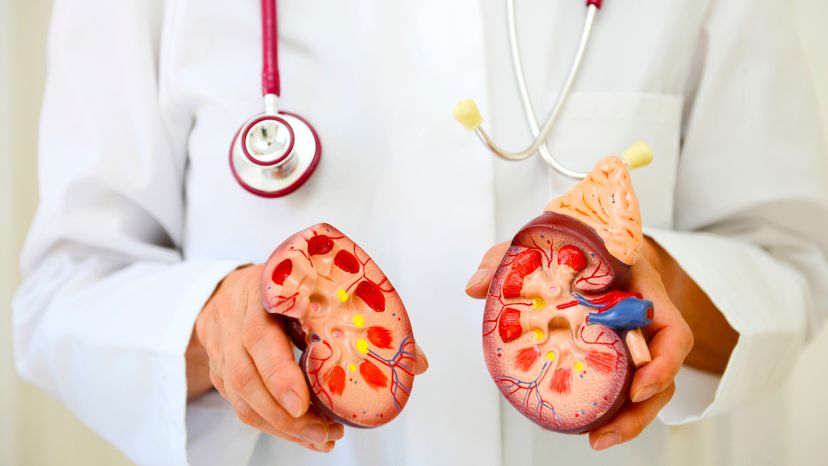
Kidney stones, either as small as a peanut or as large as a walnut, can cause serious pain. By using the home remedies mentioned in this article, you can take better care of yourself and keep kidney stones from forming.
For more information about treating disorders of the kidney and gallbladder, try the following links:
- To see all of our home remedies and the conditions they treat, go to our main
- To learn more about how kidneys function,
- For practical measure you can take to cope with gallbladder maladies
David J. Hufford, Ph.D., is university professor and chair of the Medical Humanities Department at Pennsylvania State University's College of Medicine. He also is a professor in the departments of Neural and Behavioral Sciences and Family and Community Medicine. Dr. Hufford serves on the editorial boards of several journals, including Alternative Therapies in Health & Medicine and Explore.
This information is solely for informational purposes. IT IS NOT INTENDED TO PROVIDE MEDICAL ADVICE. Neither the Editors of Consumer Guide (R), Publications International, Ltd., the author nor publisher take responsibility for any possible consequences from any treatment, procedure, exercise, dietary modification, action or application of medication which results from reading or following the information contained in this information. The publication of this information does not constitute the practice of medicine, and this information does not replace the advice of your physician or other health care provider. Before undertaking any course of treatment, the reader must seek the advice of their physician or other health care provider.