The following home remedies are appropriate for anyone who is suffering from back pain due to tight, aching muscles or a strain. However, if you are experiencing pain, weakness, or numbness in the legs, or a loss of bowel or bladder control, see a doctor without delay.
Don't take it lying down. Conventional wisdom once held that several days or even weeks in bed were the best cure for a sore back. However, a growing number of doctors today encourage patients to get up and around as soon as possible and to avoid bed rest entirely if possible. That's because mounting research shows that lying down for an extended period not only fails to speed up relief of low back pain but may make it even worse. If you feel you must rest your aching back, the best position is lying flat on your back with two pillows underneath your knees. Never lie facedown, since this position forces you to twist your head to breathe and may cause neck pain. Make an effort to get up and move around, slowly and gently, as soon as possible. Any more than three days of bed rest could weaken the muscles and make them more prone to strain.
Ice it. Applying an ice pack to the painful area within 24 hours of an injury can help keep inflammation to a minimum and ease discomfort by decreasing the ability of nerves to send pain signals to the brain. Place ice cubes in a plastic bag, then apply the bag on top of a thin towel that has been placed on the skin. Leave the ice pack on for 20 minutes, take it off for 30 minutes, then replace it for another 20 minutes.
Take a hot bath. If more than 24 hours have passed since the injury occurred, ice will not help reduce pain or inflammation. After that first day, heat may help increase the elasticity of the muscles somewhat, so try soaking in a tub of hot water for 20 minutes or more. Pregnant women, however, should not sit in a hot bath or hot tub for too long, since raising the body temperature over 100 degrees Fahrenheit for long periods may cause birth defects or miscarriage. If you are pregnant, contact your doctor for advice before trying a hot soak.
Invest in a new mattress. A soft, sagging mattress may contribute to the development of back problems or worsen an existing problem. If a new mattress is not in your budget, however, a three-quarter-inch-thick piece of plywood placed between the mattress and box spring may help somewhat. It's not clear whether water beds offer any relief for back pain.
Get some sleep. Getting sufficient rest at night is important when your back muscles are strained. It's best to lie on your side, with the knees flexed and a pillow between them. If you lie on your back, place a pillow under your knees.
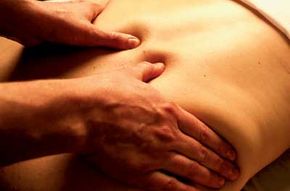
Get a massage. If you're lucky enough to have an accommodating spouse, friend, or roommate, ask him or her to give you a rubdown. As you lie facedown on a bed or sofa, ask your masseuse to knead your back muscles. Local massage therapists may also make house calls if you don't feel able to visit one of them. Check the yellow pages for listings or ask your doctor or a friend for a referral.
Relax. Much back pain is the result of muscles made tight by emotional tension. Learn and practice a relaxation technique, such as meditation, or try a deep-breathing exercise, such as closing your eyes, breathing slowly and deeply, and counting backward from 100.
Take two aspirin. Taking an over-the-counter analgesic such as aspirin, acetaminophen, or ibuprofen may help relieve your pain. However, be aware that not all medications, not even nonprescription ones, are for everyone. Pregnant women, for example, should not take any medication without first checking with their doctor. And people with ulcers should stay away from analgesics containing aspirin. Don't take any medicine for a bad back without first learning about its potential side effects and talking to your doctor. Consult this list of precautions to take when using over-the-counter analgesics.
Unfortunately, treating back pain is not all hot baths and massages. In the next section, we'll look at home remedies that can help to prevent back pain before it starts.
For more information on preventing and relieving back discomfort, try the following links:
This information is solely for informational purposes. IT IS NOT INTENDED TO PROVIDE MEDICAL ADVICE. Neither the Editors of Consumer Guide (R), Publications International, Ltd., the author nor publisher take responsibility for any possible consequences from any treatment, procedure, exercise, dietary modification, action or application of medication which results from reading or following the information contained in this information. The publication of this information does not constitute the practice of medicine, and this information does not replace the advice of your physician or other health care provider. Before undertaking any course of treatment, the reader must seek the advice of their physician or other health care provider.