by the Editors of Consumer Guide

Cite This!
Please copy/paste the following text to properly cite this HowStuffWorks article:

of Consumer Guide, the Editors.  "26 Home Remedies for Osteoporosis."  17 January 2007.  HowStuffWorks.com. <http://health.howstuffworks.com/home-remedies-for-osteoporosis.htm>  24 November 2009.
Health Videos
Health Videos

Natural Home Remedies for Osteoporosis

Thankfully, there are many ways you can combat and even reverse the damaging effects of this bone-thinning disease, and the earlier you start the better. There are several home remedies right at your fingertips. Why not try some of the bone boosters in your kitchen?

Home Remedies from the Cupboard

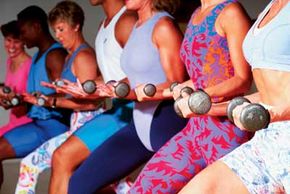
Beans. Take a can of beans -- or any one-pound can -- and do a few biceps curls. These cans are a perfect weight for beginners and will help you begin to build a little muscle. And strengthening your muscles helps strengthen your bones.

Peanut butter. A recent review of studies on nutrition and osteoporosis found that magnesium was a vital component to strengthening, preserving, and rebuilding bones. You can get 50 mg of magnesium by eating 2 tablespoons of peanut butter.

Vinegar. A splash of vinegar when you are cooking soup will help pull calcium out of bones. It does the same thing for salad greens, so you should make it your new favorite dressing!

Home Remedies from the Fruit Basket

Apples. Boron is a trace mineral that helps your body hold on to calcium -- the building block of bones. It even acts as a mild estrogen replacement, and losing estrogen is instrumental in speeding bone loss. Boron is found in apples and other fruits such as pears, grapes, dates, raisins, and peaches. It's also in nuts such as almonds, peanuts, and hazelnuts.

Banana. Eat a banana a day to build your bones. Studies have found that women who have diets high in potassium also have stronger bones in their spines and hips. Researchers think this is related to potassium's ability to keep blood healthy and balanced so the body doesn't have to suck calcium from the skeleton to keep blood up to par.

Home Remedies from the Refrigerator

Broccoli. Eat 1/2 cup broccoli to get your daily dose of vitamin K. Studies are finding that postmenopausal women with low levels of this vital vitamin are more likely to have osteoporosis.

Figs. This Mediterranian delight is packed with calcium.

Leafy greens. Romaine lettuce, spinach, collards, and kale are good choices.

Margarine. Slather a teaspoon of low trans fatty margarine on your toast for a dose of vitamin D. Vitamin D helps the body absorb calcium, a necessary ingredient to bone health.

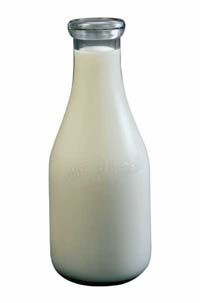
Milk helps combat the effects of osteoporosis.
©2007 Publications International, Ltd.
Milk does a body good,
particularly in the fight
against osteoporosis.

Milk. When it comes to strong bones, getting enough calcium is a must. One cup of milk can provide 300 mg of the 1,000 to 1,200 mg of calcium the government recommends you get every day.

Orange juice. Grab a glass of OJ to get your vitamin C. Necessary for the body processes that rebuild bones, getting enough vitamin C is vital to preventing osteoporosis. Grab some calcium-fortified orange juice and get a healthy dose of bone-building nutrients.

Pineapple juice. Drink a cup of pineapple juice and give your body some manganese. Studies are finding that manganese deficiency is a predictor of osteoporosis. Other manganese sources are oatmeal, nuts, beans, cereals, spinach, and tea.

Salmon and Sardines. Both of these delicious fishes are high in calcium, and salmon is also a good source of vitamin D.

Tofu. Soy is showing promise as a potential bone strengthener. Soy contains proteins that act like a weak estrogen in the body. These "phytoestrogens," or plant-based estrogens, may help women regain bone strength.

Yogurt. The lactose, or sugar, in yogurt, has already been broken down, so even many people who are lactose intolerant can eat it and get the benefits of the high calcium content. Eat it with fresh fruit or substitute it for sour cream in recipes.

Home Remedies from the Supplement Shelf

Calcium. If you don't get enough calcium in your diet, be sure to use a supplement to help prevent osteoporosis.

Our calcium needs vary throughout our lives. An adequate intake, as recommended by the Institute of Medicine of the National Academy of Sciences, is 1,300 milligrams (mg) for boys and girls ages 9 to 18; 1,000 mg for men and women ages 19 to 50; and 1,200 mg for people over 50 (the intake for older adults is higher because with age the body naturally loses some of its ability to absorb the mineral). Most of us don't come close to reaching the recommended adequate intake.

Here are some simple tricks for sneaking more calcium into your diet:
  • Use milk instead of water to mix up hot cereals, hot chocolate, and soups.
  • Substitute plain yogurt for half the mayonnaise in dressings.
  • Add liquid or powdered skim milk to coffee instead of oily nondairy creamer or fattening cream.
Get started today by following the simple home remedies outlined in this article. Your bones will thank you.

For more information on disorders and symptoms related to osteoporosis, try the following links:
ABOUT THE AUTHORS:

Timothy Gower is a freelance writer and editor whose work has appeared in many publications, including Reader's Digest, Prevention, Men's Health, Better Homes and Gardens, The New York Times, and The Los Angeles Times. The author of four books, Gower is also a contributing editor for Health magazine.

Alice Lesch Kelly is a health writer based in Boston. Her work has been published in magazines such as Shape, Fit Pregnancy, Woman's Day, Reader's Digest, Eating Well, and Health. She is the co-author of three books on women's health.

Linnea Lundgren has more than 12 years experience researching, writing, and editing for newspapers and magazines. She is the author of four books, including Living Well With Allergies.

Michele Price Mann is a freelance writer who has written for such publications as Weight Watchers and Southern Living magazines. Formerly assistant health and fitness editor at Cooking Light magazine, her professional passion is learning and writing about health.

ABOUT THE CONSULTANTS:

Ivan Oransky, M.D., is the deputy editor of The Scientist. He is author or co-author of four books, including The Common Symptom Answer Guide, and has written for publications including the Boston Globe, The Lancet, and USA Today. He holds appointments as a clinical assistant professor of medicine and as adjunct professor of journalism at New York University.

David J. Hufford, Ph.D., is university professor and chair of the Medical Humanities Department at Pennsylvania State University's College of Medicine. He also is a professor in the departments of Neural and Behavioral Sciences and Family and Community Medicine. Dr. Hufford serves on the editorial boards of several journals, including Alternative Therapies in Health & Medicine and Explore.

This information is solely for informational purposes. IT IS NOT INTENDED TO PROVIDE MEDICAL ADVICE. Neither the Editors of Consumer Guide (R), Publications International, Ltd., the author nor publisher take responsibility for any possible consequences from any treatment, procedure, exercise, dietary modification, action or application of medication which results from reading or following the information contained in this information. The publication of this information does not constitute the practice of medicine, and this information does not replace the advice of your physician or other health care provider. Before undertaking any course of treatment, the reader must seek the advice of their physician or other health care provider.
Symptom Checker
Learn more about what ails you. Here are some common symptoms.
Common Symptoms:
Diseases A-Z
A comprehensive guide with three thousand articles, including images and multimedia.
Common Conditions: