Search HowStuffWorks and the web:


10 Home Remedies for Snoring

If you snore, you make a raspy, rattling, snorting sound while you breathe during sleep. Snoring is a fairly common affliction, affecting 40 percent of men and 25 percent of women. Older people are particularly prone to snoring: About one-third of people aged 55 to 84 snore.

Despite its frequency, however, snoring is a sleep disorder that can have serious medical and social consequences. The home remedies that follow may help you -- and your sleep partner -- sleep more peacefully. Pleasant dreams!

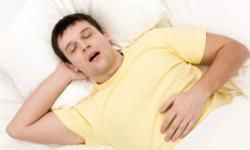
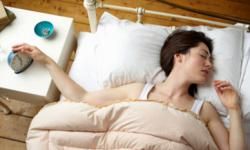
Prop up your upper body with pillows and sleep on your side to get a better night's sleep.
©2007 Publications International, Ltd.
Prop up your upper body with pillows and
sleep on your side to get a better night's sleep.

Sleep on your side. You're more likely to snore if you're lying on your back, and sleeping on your stomach is stressful on your neck.

Use tennis balls. Not to shove in your mouth, but to keep you from rolling onto your back during sleep. Sew a long, tight pocket onto the back of your pajama top, and put two or three tennis balls into it. (Don't sew? Put the tennis balls in a sock and then use a baby pin to both close the sock and attach it to the back of your pajama top.)

Avoid alcohol and tranquilizers. Both alcohol and sleeping pills can depress your central nervous system and relax the muscles of your throat and jaw, making snoring more likely. These substances are also known to contribute to sleep apnea, a dangerous condition that has been linked with cardiovascular disease. And they should never, ever be used together. If you have difficulty sleeping without sleeping pills (or if you use alcohol to help yourself fall asleep), discuss it with your doctor.

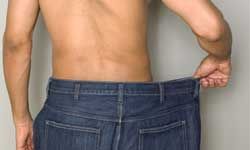
Lose weight. Excess body weight, especially around the neck, puts pressure on the airway, causing it to partially collapse.

Losing weight can greatly decrease your snoring.
©2007 Publications International, Ltd.
Losing weight can greatly decrease snoring.

Get your allergies treated. Chronic respiratory allergies may cause snoring by forcing sufferers to breathe through their mouths while they sleep. Taking an antihistamine just before bedtime may help. If your nose is stuffed up, try using an over-the-counter saline spray or a humidifier.

Buy a mouth guard. Your dentist or doctor may be able to prescribe an antisnoring mouth guard that holds the teeth together and keeps the lower jaw muscles from becoming too lax.

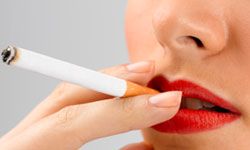
Stop smoking. Smoke damages the respiratory system.

Keep a regular shuteye schedule. Get plenty of sleep. Go to bed and get up at the same time each day.

See a doctor if you are pregnant and snoring. Sometimes, women who are pregnant will begin to snore. The snoring may begin because of the increased body weight and because the hormonal changes of pregnancy cause muscles to relax. Whatever the cause, snoring during pregnancy may rob your baby of oxygen. Talk with your doctor about it.

Elevate your head. Sleeping with your head raised may take some of the pressure off of the airway, making breathing easier. Raise the head of the bed by putting blocks under the bed posts, or prop up your upper body (not just your head, which can actually inhibit breathing) with pillows.

When to See a Doctor About Snoring
Snoring is a nuisance -- it can keep your bed partner awake, and it can prevent you from getting the restful sleep you need for good physical and emotional health. It may also indicate that you have sleep apnea, a serious sleep disorder. The National Sleep Foundation (
www.sleepfoundation.org) recommends that you see your doctor if:
  • You wake up during the night choking and gasping for breath
  • You have been told that your snoring is disturbing to others

  • You don't feel refreshed when you wake up

  • You are extremely tired during the day

  • You wake with a headache

  • You are gaining weight

  • You have trouble concentrating, remembering, or paying attention

  • Your bed partner notices that your breathing pauses during sleep
It's important to have sleep apnea treated, not only because it interferes with your daily functioning, but because it boosts your risk of vascular disease. Sleep apnea can be treated with lifestyle modification, surgery, oral mouth guards, or a CPAP machine, which blows air into the back of your throat while you sleep.

For more information about snoring and how to avoid it, try the following links:
ABOUT THE AUTHORS:

Timothy Gower is a freelance writer and editor whose work has appeared in many publications, including Reader's Digest, Prevention, Men's Health, Better Homes and Gardens, The New York Times, and The Los Angeles Times. The author of four books, Gower is also a contributing editor for Health magazine.

Alice Lesch Kelly is a health writer based in Boston. Her work has been published in magazines such as Shape, Fit Pregnancy, Woman's Day, Reader's Digest, Eating Well, and Health. She is the co-author of three books on women's health.

Linnea Lundgren has more than 12 years experience researching, writing, and editing for newspapers and magazines. She is the author of four books, including Living Well With Allergies.

Michele Price Mann is a freelance writer who has written for such publications as Weight Watchers and Southern Living magazines. Formerly assistant health and fitness editor at Cooking Light magazine, her professional passion is learning and writing about health.

ABOUT THE CONSULTANTS:

Ivan Oransky, M.D., is the deputy editor of The Scientist. He is author or co-author of four books, including The Common Symptom Answer Guide, and has written for publications including the Boston Globe, The Lancet, and USA Today. He holds appointments as a clinical assistant professor of medicine and as adjunct professor of journalism at New York University.

David J. Hufford, Ph.D., is university professor and chair of the Medical Humanities Department at Pennsylvania State University's College of Medicine. He also is a professor in the departments of Neural and Behavioral Sciences and Family and Community Medicine. Dr. Hufford serves on the editorial boards of several journals, including Alternative Therapies in Health & Medicine and Explore.


This information is solely for informational purposes. IT IS NOT INTENDED TO PROVIDE MEDICAL ADVICE. Neither the Editors of Consumer Guide (R), Publications International, Ltd., the author nor publisher take responsibility for any possible consequences from any treatment, procedure, exercise, dietary modification, action or application of medication which results from reading or following the information contained in this information. The publication of this information does not constitute the practice of medicine, and this information does not replace the advice of your physician or other health care provider. Before undertaking any course of treatment, the reader must seek the advice of their physician or other health care provider.


Share This Article: (what's this?)


More Options:


ADVERTISEMENT
Browse Browse Videos Browse Videos
 
  •  
    VIDEO SELECTIONS
     
American Dental Association
What is Sleep Apnea?

 
ScienCentral
Stop Hitting the Snooze Button

 
SYMPTOM CHECKER:
  Abdominal Bloating  Abdominal Fullness Prematurely Afte...  Abdominal Lumps  Abdominal Mass  Abdominal Pain  Abdominal Rigidity  Abdominal Sounds  Abdominal Swelling  Abnormal Posturing  Abnormal Tooth Shape  Abnormally Dark Or Light Skin  Absent Menstruation  Absent Thirst  Agitation  Ambiguous Genitalia  Ankle Pain  Appetite Decrease  Appetite Increase  Apraxia  Arachnodactyly  Armpit Lump  Autistic Behavior  Babinski's Reflex  Bed Wetting  Belching  Binge Eating  Blackheads  Bleeding Gums  Bleeding Into The Skin  Blindness  Blockage Of Leg Arteries  Blood In The Semen  Blood in Urine  Bloody Or Tarry Stools  Bone Pain Or Tenderness  Bounding Pulse  Bowel Incontinence  Breast Lump  Breast Pain  Breath Odor  Breath Sounds  Breathing - Slowed Or Stopped  Breathing Difficulty  Breathing Difficulty When Lying Dow...  Breathing That Sounds Abnormal  Broad Nasal Bridge  Bulging Fontanelles  Bullae  Chemosis  Chest Pain  Chills  Clammy Skin  Claw Foot  Claw Hand  Cloudy Cornea  Clubbing Of The Fingers Or Toes  Cold Intolerance  Coloboma Of The Iris  Comedones  Confusion  Constipation  Contracture Deformity  Coughing  Coughing Up Blood  Crying Excessively in Infants  Cyst  Decerebrate Posture  Decorticate Posture  Decreased Consciousness  Decreased Urine Output  Delayed Growth  Delayed or Absent Tooth Formation  Depression  Diarrhea  Difficulty with Urination  Dizziness  Drooling  Drowsiness  Dry Eyes  Dry Hair  Dry Skin  Ear Discharge  Earache  Earlobe Creases  Elbow Pain  Epicanthal Folds  Erection Problems  Erosion  Excessive Or Unwanted Hair In Women  Excessive Thirst  Excessive Urination  Excessive Urination at Night  Excessively Large Fontanelles  Eye Burning, Itching and Discharge  Eye Pain  Eye Redness  Eye Slant  Eyelid Drooping  Eyes That Bulge  Face Pain  Facial Paralysis  Facial Swelling  Fainting  Fatigue  Female Sexual Dysfunction  Fever  Finger Pain  Fingers That Change Color  Flank Pain  Floating Stools  Focal Neurological Deficits  Foot Pain  Foot, Leg, And Ankle Swelling  Foul Smelling Stools  Frequent Or Urgent Urination  Frontal Bossing  Gas (Flatulence)  Gastrointestinal Bleeding  Genital Sores (Female)  Genital Sores (Male)  Groin Lumps  Groin Pain  Gynecomastia  Hair Loss  Hallucinations  Hand Or Foot Spasms  Hand Tremors  Headache  Hearing Loss  Heart Murmurs And Other Sounds  Heart Palpitations  Heartburn  Heat Intolerance  Heavy, Prolonged, or Irregular Mens...  Heel Pain  Hemolytic Crisis  Hepatomegaly  Heterochromia  Hiccups  Hip Pain  Hoarseness Or Changing Voice  Hump Behind The Shoulders  Hyperactivity  Hyperelastic Skin  Hypermobile Joints  Hyperventilation  Hypotonia  Impaired Smell  Increased Head Circumference  Indigestion  Infantile Reflexes  Intercostal Retractions  Intertrigo  Irritability  Itching  Jaundice (Yellow Skin)  Joint Pain  Joint Swelling  Knee Pain  Leg Pain  Lichenified  Limited Range Of Motion  Lordosis  Low Nasal Bridge  Lower Back Pain  Macule  Malaise  Memory Loss  Metopic Ridge  Microcephaly  Micrognathia  Morbid Obesity  Morning Sickness  Moro Reflex  Motormental Retardation  Mouth Sores  Muscle Aches  Muscle Atrophy  Muscle Cramps  Muscle Function Loss  Muscle Twitching  Nail Abnormalities  Nasal Congestion  Nasal Discharge  Nasal Flaring  Natal Teeth  Nausea And Vomiting  Neck Lumps  Neck Pain  Night Blindness  Nightmares  Nikolsky’s Sign  Nipple Discharge  Nodules  Nosebleed  Numbness And Tingling  Obesity  Opisthotonos  Pain During Sexual Intercourse  Painful Menstrual Periods  Painful Urination  Pale or Clay-Colored Stools  Paleness  Papule  Patches  Patchy Skin Color  Pectus Carinatum  Pectus Excavatum  Penis Pain  Photophobia  Pilonidal Dimple  Pinna Abnormalities And Low-set Ear...  Point Tenderness  Polydactyly  Polyhydramnios  Poor Feeding In Infants  Preauricular Tag Or Pit  Premenstrual Breast Tenderness and ...  Prognathism  Pupils That Are Different Sizes  Purpura  Pustules  Rapid Shallow Breathing  Rash in a Child Under 2 Years  Rashes  Rib Cage Pain  Ridged Sutures  Scales  Scrotal Swelling  Seizures  Sensorineural Deafness  Separated Sutures  Shin Splints  Short Philtrum  Short Stature  Shoulder Pain  Simian Crease  Skeletal Limb Abnormalities  Skin Blushing/flushing  Skin Discoloration  Skin Lumps  Skin Turgor  Sleeping Difficulty  Sneezing  Snoring  Sore Throat  Spasticity  Speech Impairment (adult)  Splenomegaly  Splinter Hemorrhages  Strange Behavior  Stress And Anxiety  Striae  Subcutaneous Emphysema  Sunburn  Sunken Fontanelles  Supernumerary Nipples  Swallowing Difficulty  Swallowing Pain Or Burning  Sweating  Sweating Decrease  Swelling  Swollen Glands  Swollen Gums  Taste Impairment  Telangiectasia  Tenesmus  Testicle Lump  Testicle Pain  Tinnitus  Tongue Problems  Tooth Discoloration  Toothaches  Ulcers  Uncontrollable Eye Movements  Uncontrollable Movement  Uncontrolled Or Slow Movement  Uncoordinated Movement  Unpredictable Or Jerky Movement  Urinary Incontinence  Urine Discoloration  Vaginal Bleeding Between Periods  Vaginal Bleeding In Pregnancy  Vaginal Discharge  Vaginal Itching  Vesicles  Vision Problems  Vomiting Blood  Walking Abnormalities  Watery Eyes  Weak or Absent Pulse  Weakness  Webbing Of The Fingers Or Toes  Weight Gain  Weight Loss  Wheezing  White Spots in the Pupil  Whitehead  Widely Spaced Teeth  Wrinkles  Wrist Pain  Yawning