iStockphoto/Thinkstock
Menopause can occur anywhere between the ages of 40 and 60, but the average is 51. See more healthy aging pictures.
Why are there so many questions surrounding menopause? Women are now living long enough to ask them! In the last hundred years, a woman's life expectancy has increased from about 45 or 50 years to 80 or 85 years. Now, many women have a full third to half of their lives ahead of them after menopause, which on average occurs at age 51.
Middle-aged women today are attractive, feel good, exercise, are full of vitality, and enjoy fulfilling sexual relationships. Many embark on new careers, enter academic programs, and take on volunteer responsibilities, or return to work if they stayed home to raise children. At the same time, many are coping with the psychological and physical challenges of menopause. In this article, we examine menopause over the following pages:
- What Is Menopause?
Though menopause is an process that happens to every woman, most people do not have a very good understanding of what changes will occur. The word itself is often misunderstood. "Menopause" can refer to a woman's last period or the span of time as her reproductive capabilities begin to wind down. On this page, we will examine what menopause actually is, when it occurs, what generally happens to most women, and what the signs of menopause are.
- How Female Hormones Work
The majority of the effects of menopause come from hormones like estrogen. To be more precise, it is the limited production of certain hormones that produces many of the observable changes during menopause. In this section, we will look at all of the female hormones and examine how they affect a woman's body at various stages of her life, but, of course, with a special emphasis on period of time known as menopause.
- Hormone Replacement Therapy
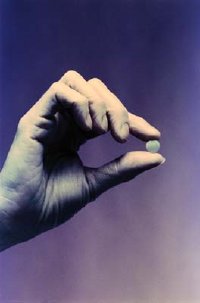
Hormone replacement therapy is a possible treatment for the side effects of menopause, though many doctors are divided about the efficacy of such a treatment. Most doctors believe that menopause is a natural process and the drop of hormones in a woman's body should not be artificially tampered with. However, some women and doctors opt for this controversial treatment. On this page, we will hormone replacement therapies, review studies about its effectiveness, and help you determine if you are a likely candidate.
- How to Choose Estrogen
Just making the decision to participate in hormone replacement therapy is only the first step down a long and complicated path. Another vitally choice you must make is what type of estrogen and what sort of delivery system you would prefer. On this page, we will do our best to answer all of your questions about replacement estrogen. We will also stress that you do no grow complacent with your decision, but constantly strive to learn more and reevaluate your choice.
- Menopause Quiz
- What causes hot flashes?
- Nonhormonal Medication
In addition to hormone replacement therapy, there are also nonhormonal treatments available to a woman going through menopause. In this section, we will review the various medications that can help with hot flashes, mood swings, and other menopause complications. Many of the drugs are most typically prescribed for other conditions such as high blood pressure and depression.
- Alternative Medicine for Menopause
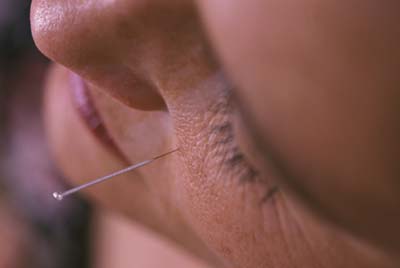
Because menopause is a condition that affects every woman, some doctors believe there should be no medical intervention for menopause symptoms at all. Instead, they take a more alternative approach. In this section, we will review the various alternative treatments for the effects of menopause such as massage, acupuncture, herbal remedies and meditation
Learn More |
This information is solely for informational purposes. IT IS NOT INTENDED TO PROVIDE MEDICAL ADVICE. Neither the Editors of Consumer Guide (R), Publications International, Ltd., the author nor publisher take responsibility for any possible consequences from any treatment, procedure, exercise, dietary modification, action or application of medication which results from reading or following the information contained in this information. The publication of this information does not constitute the practice of medicine, and this information does not replace the advice of your physician or other health care provider. Before undertaking any course of treatment, the reader must seek the advice of their physician or other health care provider.
Advertisement