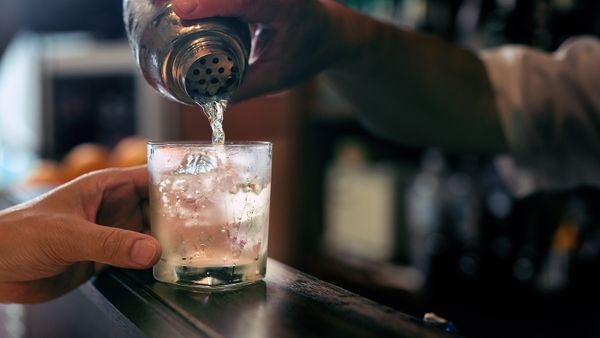
Stockbyte
It's no secret that intoxication has a number of immediate negative consequences. Among other things, it impairs judgment, it impairs the ability to do most things and it can bring on a depressed mood. But even after a drinker has sobered up, alcohol can still be causing the body trouble. More than 75 percent of alcohol consumers have experienced a hangover at least once; 15 percent have one at least every month; and 25 percent of college students feel symptoms weekly.
In this article, we'll explain what causes hangover symptoms and examine the science of the popular prevention methods and morning-after remedies.
Advertisement