by the Editors of Consumer Guide

Cite This!
Please copy/paste the following text to properly cite this HowStuffWorks article:

of Consumer Guide, the Editors.  "29 Home Remedies for Sunburn."  19 January 2007.  HowStuffWorks.com. <http://health.howstuffworks.com/skin-care/beauty/sun-care/home-remedies-for-sunburn.htm>  04 December 2009.
Healthy Skin with Dr. Oz

Natural Home Remedies for Sunburn

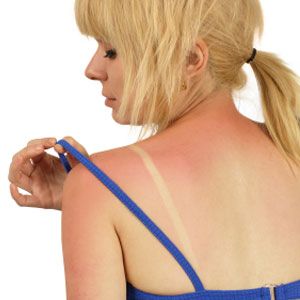
If you do find yourself sunburned, never fear: There are natural home remedies that can relieve the itching, burning sensation. The following are some ways to tame sunburn, using simple kitchen items and things commonly found around the house.

Home Remedies from the Cupboard

Bathe in baking soda. Adding a few heaping tablespoons of baking soda to cool bath water makes a sunburn-soothing remedy. Just keep your soaking time down to 15 to 20 minutes. If you soak any longer, you risk drying out your already lizard-like skin. When you've emerged from the bath, resist the urge to towel off. Instead air-dry, and don't wipe the baking soda off.

Pat down with potatoes. The plain old potato makes for a wonderful pain reliever. It's a time-tested technique known throughout the world. Take two washed potatoes, cut them into small chunks, and place them in a blender or food processor. Blend or process until the potatoes are in liquid form. Add water if they look dry. Pat the burned areas with the pulverized potatoes. Wait until the potatoes dry, then take a cool shower. Another less messy method is to apply the mash to a clean gauze and place on the burn. Change the dressing every hour. Continue applying several times a day for a few days until the pain is relieved.

Potatoes can help soothe sunburn pain.
©2007 Publications International, Ltd.
Liquified potatoes applied to sunburned areas then showered off
are a simple home remedy that can help relieve sunburn pain.

Sip chamomile tea. Brew dried chamomile in a tea and sponge onto affected areas. Make the tea by combining 1 teaspoon dried chamomile with 1 cup boiling water, or use a prepackaged chamomile tea bag. Cool and apply. Do not use chamomile if you have pollen allergies, or you may suffer a skin reaction atop the burn.

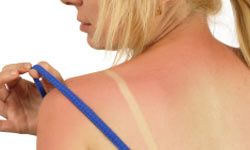
Ease chafing with cornstarch. Sunburns often strike where skin meets bathing suit. Sensitive and hard-to-reach spots you've neglected to smear with suntan lotion (along bikini lines, underneath buttock cheeks, or around the breasts and armpits) often fall victim. These burn spots then have to face daily irritation from tight elastic in bras and underwear. To ease chafing, cover the burned area with a dusting of cornstarch. Don't apply petroleum jelly or oils, which can exacerbate the burn by blocking pores. If the burn is blistering, however, don't apply anything.

Cool off with a soak.
Slipping into a tub of chilly water is a good way to cool the burn and ease the sting, especially if the burn is widespread or on a hard-to-reach area (such as your back). Avoid using soap, which can irritate and dry out the skin. If you feel you must use soap, use a mild one, such as Dove or Aveeno Bar, and rinse it off well. Definitely skip the washcloth, bath sponge, and loofah. Afterward, pat your skin gently with a soft towel.
If you're tempted to linger in the tub for hours, skip the bath and take a cool shower, instead. Ironically, soaking too long can cause or aggravate dry skin, which can increase itching and peeling.

Soak in oatmeal. Oatmeal added to cool bathwater offers wonderful relief for sunburned skin. Fill up the bathtub with cool water--not cold water because that can send the body into shock. Don't use bath salts, oils, or bubble bath. Instead, scoop 1/2 to 1 cup oatmeal -- an ideal skin soother -- and mix it in. Another option is to buy Aveeno, an oatmeal powder found in the pharmacy. Follow the packet's directions. As with the baking soda, air-dry your body and don't wipe the oatmeal off your skin.

Soak in vinegar. Adding 1/2 cup vinegar to your cool bathwater should also take the sting out of the sunburn.

Home Remedies from the Refrigerator

Coat yourself in milk. Cool off with a cold glass of milk. Don't drink it; put it right on your body. Soak a facecloth in equal parts cold milk and cool water, wring it out, and gently press it on the burned areas.

Home Remedies from
the Sink

Apply cool compresses. Soak a washcloth in cool water and apply it directly to the burned areas (do not apply ice or an ice pack to sunburned skin) for several minutes, rewetting the cloth often to keep it cool. Apply the compress multiple times throughout the day as needed to relieve discomfort.

You can also add a soothing ingredient, such as baking soda or oatmeal, to the compress water. Simply shake a bit of baking soda into the water before soaking the cloth. Or wrap dry oatmeal in a cheesecloth or a piece of gauze and run water through it. Then toss out the oatmeal and soak the compress in the oatmeal water.

Drink water.
As the sun fried your skin, it also dehydrated it. Be sure to replenish liquids by drinking plenty of water while recovering from a sunburn. Being well hydrated will help burns heal better. You'll know you're hydrated when your urine runs almost clear.

Home Remedies from
the Windowsill

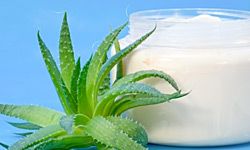
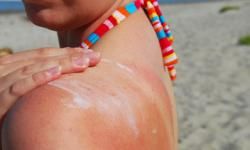
Add some aloe vera. The thick, gel-like juice of the aloe vera plant can take the sting and redness out of a sunburn. Aloe vera causes blood vessels to constrict. Luckily, this healing plant is available at your local nursery or even in the grocery store's floral department. Simply slit open one of the broad leaves and apply the gel directly to the burn. Apply five to six times per day for several days.

Home Remedies from the Medicine Cabinet

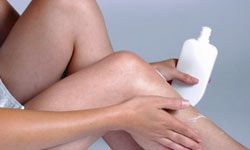
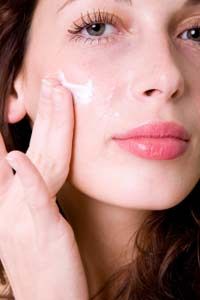
Moisturize. The sun dries out the skin's surface and causes cells and blood vessels to leak, causing even greater moisture loss. In addition, while cool baths and compresses can make you feel better, they can also end up robbing moisture from your injured skin. To prevent drying, apply moisturizer immediately after your soak. For cooling relief of pain and dryness, chill the moisturizer in the refrigerator before using.

Take an over-the-counter (OTC) pain reliever.
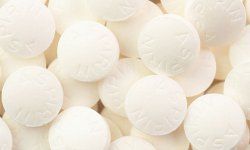
Nonprescription pain relievers such as aspirin and ibuprofen can relieve pain and cut the inflammation of a sunburn. Take with food as directed on the bottle, and discontinue use if you develop stomach upset. If you can't tolerate aspirin or ibuprofen, consider taking OTC acetaminophen, which can help ease pain but won't relieve inflammation. For a list of precautions to take when using over-the-counter analgesics, click here
.

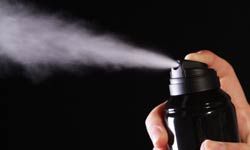
Try a topical anesthetic. Topical anesthetics such as Solarcaine may offer some temporary relief from pain and itching. Look for products that contain lidocaine, which is less likely than some of the other topical anesthetics to cause an allergic reaction. Because some people do have allergic reactions to such products, test a small area of skin before using it all over.

Topical anesthetics come in both creams and sprays. The sprays are easier to apply to a sunburn, especially when it is widespread. If you use one, avoid spraying it directly onto the face. Instead, spray some onto gauze and gently dab it on your face.

Common Sense Solutions

Don't go back out there. Sunburned skin is much more vulnerable to additional burning, so plan on staying out of the sun for at least a few days to avoid further damage to your skin. Be aware that when you're outdoors during the day, even if you're in the shade, you're being exposed to ultraviolet light. While shade from a tree or an umbrella helps, much of the sunlight your skin is exposed to comes from light reflected off surfaces such as concrete, sand, water, even boat decks. Ultraviolet rays can also penetrate clothing. As much as 50 percent of the sun's damaging rays can get through clothing. So if you're already sunburned, indoors is the best place for you.

Watch for blistering. A serious sunburn can cause the skin to blister. Extensive blistering from a sunburn can be life threatening, so if your skin is covered with these sores, get medical attention immediately. If you have just a few tiny blisters, watch that they don't become infected; don't pop them or remove their protective skin covering.

In addition to staying out of the sun, it's important to stay cool, too. A burn causes the skin's blood vessels to dilate and literally radiate heat from your skin. You'll be more comfortable if you drop the room temperature down and keep it cool inside.

No matter which home remedy solution you choose, remember the discomfort your sunburn has caused -- and next time, take precautions to avoid overexposure to the sun. Sunburn can be relieved naturally, but it is never good for the skin.

For more information about skin issues, visit the following sections:

ABOUT THE AUTHORS:

Timothy Gower is a freelance writer and editor whose work has appeared in many publications, including Reader's Digest, Prevention, Men's Health, Better Homes and Gardens, The New York Times, and The Los Angeles Times. The author of four books, Gower is also a contributing editor for Health magazine.

Alice Lesch Kelly is a health writer based in Boston. Her work has been published in magazines such as Shape, Fit Pregnancy, Woman's Day, Reader's Digest, Eating Well, and Health. She is the co-author of three books on women's health.

Linnea Lundgren has more than 12 years experience researching, writing, and editing for newspapers and magazines. She is the author of four books, including Living Well With Allergies.

Michele Price Mann is a freelance writer who has written for such publications as Weight Watchers and Southern Living magazines. Formerly assistant health and fitness editor at Cooking Light magazine, her professional passion is learning and writing about health.

ABOUT THE CONSULTANTS:

Ivan Oransky, M.D., is the deputy editor of The Scientist. He is author or co-author of four books, including The Common Symptom Answer Guide, and has written for publications including the Boston Globe, The Lancet, and USA Today. He holds appointments as a clinical assistant professor of medicine and as adjunct professor of journalism at New York University.

David J. Hufford, Ph.D., is university professor and chair of the Medical Humanities Department at Pennsylvania State University's College of Medicine. He also is a professor in the departments of Neural and Behavioral Sciences and Family and Community Medicine. Dr. Hufford serves on the editorial boards of several journals, including Alternative Therapies in Health & Medicine and Explore.

This information is solely for informational purposes. IT IS NOT INTENDED TO PROVIDE MEDICAL ADVICE. Neither the Editors of Consumer Guide (R), Publications International, Ltd., the author nor publisher take responsibility for any possible consequences from any treatment, procedure, exercise, dietary modification, action or application of medication which results from reading or following the information contained in this information. The publication of this information does not constitute the practice of medicine, and this information does not replace the advice of your physician or other health care provider. Before undertaking any course of treatment, the reader must seek the advice of their physician or other health care provider.


Symptom Checker
Learn more about what ails you. Here are some common symptoms.
Common Symptoms:
Diseases A-Z
A comprehensive guide with three thousand articles, including images and multimedia.
Common Conditions: