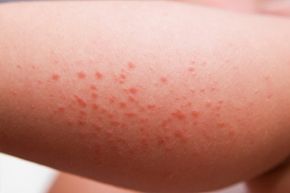
The skin is your largest organ and an important defender against invaders. It is constantly bombarded and usually fends off trouble quite successfully. Sometimes, however, an allergen gets the best of your skin, causing a reaction.
Symptoms can include a rash or hives, or swelling, itching, and cracking of the skin. Our hands, arms, neck, and face come in contact with so many substances every day that they are the most common sites for an allergic skin reaction, but no part of your anatomy is immune. A skin reaction that is the result of contact with an allergen is called allergic contact dermatitis. (By contrast, a skin reaction caused by contact with a substance that is harsh or caustic is called irritant contact dermatitis and does not involve allergies or the immune system.)
Advertisement
Itches happen when skin is irritated. The ordinary reaction to an itch is to scratch. What follows after can be a mess. The more you scratch, the more you damage your skin and the nerves just below the surface of the skin. The skin and nerves become increasingly inflamed, which only results in more itching. The best way to stop an itch is to practice self-control.
This article will explore skin allergies in-depth and the reactions they cause. See the next page to get started.
This information is solely for informational purposes. IT IS NOT INTENDED TO PROVIDE MEDICAL ADVICE. Neither the Editors of Consumer Guide (R), Publications International, Ltd., the author nor publisher take responsibility for any possible consequences from any treatment, procedure, exercise, dietary modification, action or application of medication which results from reading or following the information contained in this information. The publication of this information does not constitute the practice of medicine, and this information does not replace the advice of your physician or other health care provider. Before undertaking any course of treatment, the reader must seek the advice of their physician or other health care provider.
Advertisement