The Worst Bottled Water Brands Are Basically Filtered Tap Water

By: Wren Corvayne  | 
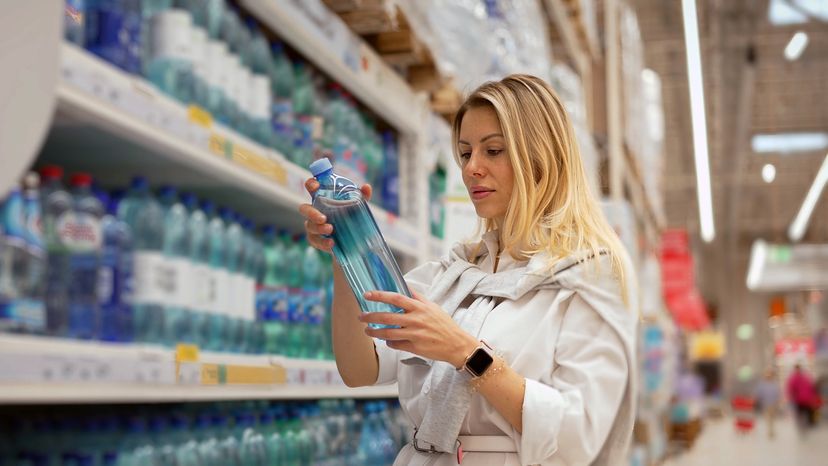
"Contains naturally occurring minerals" sounds great on a label, but at the end of the day, most of these are just tap water with a few extra steps. Romanchini / Shutterstock

Bottled water drinkers often assume a bottle automatically means better than tap water.

In reality, many of the worst bottled water brands are just tap, lightly filtered tap, or purified municipal water supplies wrapped in plastic bottles with a pretty label.

Advertisement

1. Crystal Geyser

Crystal Geyser is a natural spring water drawn from several spring sites. The company has faced scrutiny for an arsenic contamination incident in its filtration waste, resulting in legal action and fines.

Compared with filtered tap water from a Brita pitcher, the taste and consistency often fall short, making the bottled version hard to justify.

Advertisement

2. Arrowhead Bottled Water

Arrowhead bottled water trades heavily on imagery of the Rocky Mountains.

In practice, much of it comes from stressed natural springs. Add plastic packaging and carbon emissions from long-distance transport, and the only reason to buy it becomes convenience, not quality.

Advertisement

3. Nestlé Pure Life

Pure Life is a purified water product sourced from municipal water systems. That means it often starts as tap water, then runs through reverse osmosis or vapor distilled processes before minerals are added back.

You are paying for absolutely nothing you could not get from filtered tap water at your sink.

Advertisement

4. Smartwater

Smartwater markets a seven-stage purification process and vapor distilled purity. The energy-intensive vapor distillation process can contribute to a higher carbon footprint, compared to spring waters that require minimal processing.

The result is extremely plain water with added electrolytes for taste. For water drinkers focused on minerals and electrolytes, spring water options do better with less branding.

Advertisement

5. Core Hydration

Core Hydration leans on high pH claims and a proprietary blend of minerals.

However, there are no proven health benefits from “high pH” or added minerals in drinking water, and CORE Hydration is essentially ultra-purified municipal water with minerals added for taste and pH (it also undergoes a seven-stage filtration including reverse osmosis).

Advertisement

In other words, its fancy pH and mineral blend confer no special health advantage. The status symbol packaging adds cost without improving flavor or hydration.

6. Great Value Bottled Water

Great Value is a classic no-brainer example of why bottled water gets a bad reputation. It is purified water sourced from public water sources, packaged cheaply, and sold in bulk plastic. When compared to good tap water or a basic water filter, the quality difference is minimal.

Advertisement

7. Just Water

Just Water uses a carton package that is about 54 percent paper (from certified forests) and 28 percent plant-based plastic (from sugarcane), with the remainder being traditional plastic and a thin aluminum layer.

The cap and carton lining are made from plant-based plastic, not “recycled” plastic, making the packaging more renewable but not fully biodegradable.

Advertisement

However, the water itself often tastes flat, and the brand relies heavily on eco-conscious messaging to offset an unremarkable product. Packaging matters, but flavor and source still count.

8. Liquid Death (Still Water)

Liquid Death uses cans instead of plastic bottles, which are infinitely recyclable.

The problem is the water itself.

Advertisement

You are paying for branding and aesthetic, not better drinking water.

Why Bottled Is Often Worse Than Tap

Municipal water systems in many countries are tightly regulated.

In those cases, drinking water from the tap or using a simple filter delivers fresh water with fewer carbon emissions, less plastic waste, and lower cost. Bottled water brands often rely on packaging (not quality) to stand out.

Advertisement

When Bottled Water Makes Sense

There are exceptions. Some spring water brands—like Evian water from the French Alps or Acqua Panna—offer consistent mineral profiles in glass bottles. These are niche choices, not everyday hydration solutions.

For most people, the best option is boring and reliable: Drink tap water, filter it if needed, and skip the plastic bottle aisle entirely.

We created this article in conjunction with AI technology, then made sure it was fact-checked and edited by a HowStuffWorks editor.

Advertisement

Loading...