As mentioned earlier, there has been a great deal of controversy over the Atkins plan and other low-carbohydrate diets. The controversy generally revolves around the consumption of high-fat and high-protein foods, which are by and large believed to lead to heart disease and other ailments.
The controversy heated up when the Physician's Committee for Responsible Medicine (PCRM -- rumored to have ties to PETA) came out against the Atkins diet in December 2003 claiming that high-fat, carbohydrate-restricted diets lead to increased risk of chronic diseases and health problems. According to the PCRM's 2003 report, 429 people reported problems with high-protein, carbohydrate-restrictive diets. These ailments included kidney stones, heart problems (13 individuals reported heart attacks), gastrointestinal problems including ulcers and diarrhea and kidney infections. In fact, the American Academy of Family Physicians claims that high protein intake is largely responsible for the high prevalence of kidney stones in the United States.
However, critics of the PCRM data believe these studies cannot prove a cause-and-effect relationship between the Atkins diet and health problems. In fact, until recently, there has been little research into the long-term effects of the Atkins diet. It would appear that more studies will be needed to fully examine the effects of the Atkins plan and other low-carbohydrate diets. According to a recent report from ABC News entitled "Is the Atkins Diet Dangerous?", experts suggest that additional randomized, long-term studies are needed.
- According to Dr. Arthur Frank, director of the George Washington University Weight Management Clinic in Washington, D.C., "Most of these diets are used by individuals for short times. The impact of any short-term intervention on heart disease is negligible. An important question is what happens for the long term."
- Dr. Keith-Thomas Ayoob of Albert Einstein College of Medicine in New York states: I'd like to see a long-term study of at least 18 months, preferably two years, good compliance and follow-up to see what happens. These studies would monitor weight and cholesterol and track patients for adverse reactions such as heart disease and kidney problems.
According to another ABC news report, a new study published by the New England Journal of Medicine compared the weight loss of obese individuals on the Atkins diet versus traditional low-fat, low-calorie diets.
After one year, there was no weight difference between the groups. The Atkins group, though, did increase their HDL (the "good" cholesterol) levels. These results seem to suggest that the Atkins diet may not contribute to higher cholesterol levels even though the diet contains cholesterol-rich foods.
However, much of the medical community remains concerned about the increased levels of protein and fat consumed while following the Atkins plan. In addition to cholesteral levels and heart disease, they're also concerned about kidney function. An increased consumption of protein leads to an increase in ketones in the kidney. The increased level of ketones, or ketosis that occurs with the Atkins diet may be responsible for decreased kidney function. According to Harvard researchers, quoted in the PCRM study, individuals who consume large amounts of animal protein may be at risk for permanent loss of kidney function.
Regardless of the successful weight loss of people on the Atkins plan, doctors and nutritionists will continue to worry about the health effects of the diet. The PCRM Atkins Diet Alert suggests that carbohydrates are not necessarily responsible for weight gain. In fact, many people throughout Asia eat large amounts of carbohydrates and generally have lower body weights than Americans. Furthermore, many experts are quick to mention that carbohydrates are an essential part of the human diet.
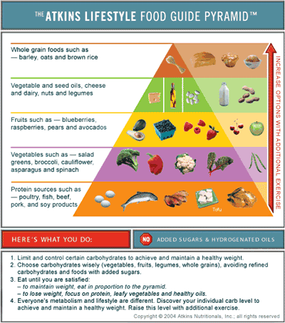
In answer to this, Atkins supporters would point out that the Atkins plan limits carbohydrate intake, but does not eliminate it altogether. Although carbohydrate consumption is quite restricted during the "induction" and "ongoing weight loss" phases of the Atkins plan, progressively more amounts of carbohydrates, especially "good carbohydrates" like green, leafy vegetables and fruits, are allowed during the "pre-maintenance" and "lifetime maintenance" phases.
In the end, deciding to go on a diet, including the Atkins plan, is a personal decision. And, as is the case with any radical change in diet, it's a good idea to first discuss this with your physician.
For more information regarding the Atkins diet and related topics, check out the links on the following page.