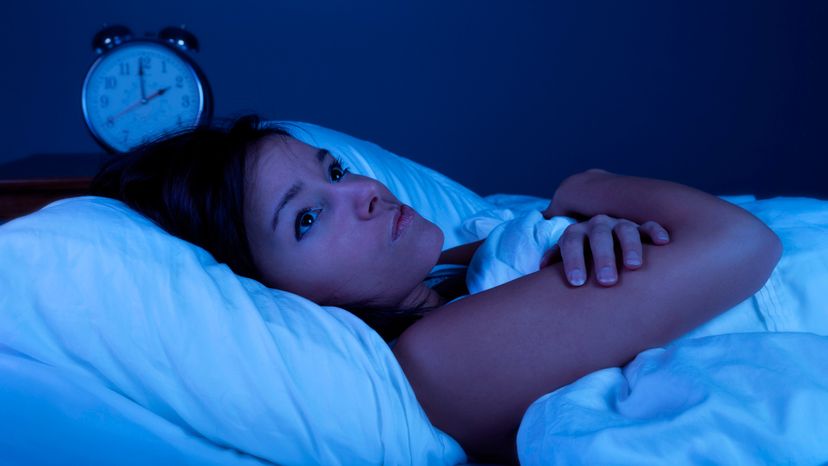
A wide range of controlled substances, from legitimate to unhealthy, can cause insomnia.
Medication Side Effects
Sleep disruptions can also be caused by medications. If you are taking steroids, chemotherapy agents, diuretics, appetite suppressants, or drugs for allergies, pain, asthma, a heart condition, or Parkinson's disease, read the package insert or talk with your pharmacist about possible sleep disturbances that might occur.
Some medications cause you to feel drowsy, while others tend to keep you awake. There are also medications that, when taken alone, have no effect on your sleep, but when used with other medications, can cause sleep problems. If you suspect that any over-the-counter or prescription medication you are taking is cutting into your sleep time, talk with your doctor or pharmacist.
Caffeine
Everyone knows that coffee contains caffeine, which can help you wake up in the morning or stay awake when you feel like sleeping. Some people drink coffee not only upon waking but to keep themselves going throughout the day. There's no harm in one or two cups of coffee in the morning. And there are rare individuals who can drink coffee all day long without having it disturb their sleep.
But for most people, slugging down coffee all day more likely suggests that they're trying to combat sleepiness or have a bad caffeine habit. If you're sleeping well at night and function well during the day, you probably don't need to adjust your caffeine intake. But if you're having trouble sleeping at night, you should try cutting back.
Likewise, if you can fall asleep despite an evening cup of coffee but have to drag yourself through the day using a coffee crutch, you are probably too tired. All that caffeine can actually make your sleep lighter than what your body needs to feel its best. So, do yourself a favor and limit your caffeine intake.
People who overuse caffeine build up a tolerance over time, so that more is needed to sustain wakefulness. But a higher tolerance doesn't blunt the sleep-disturbing effects of caffeine on the body.
At a minimum, try to avoid caffeine for at least six hours before going to bed. Be aware, too, that caffeine is also found in regular tea, soft drinks, chocolate, and some over-the-counter medications. Some have enough caffeine to affect sleep.
Tobacco
Smoking cigarettes not only contributes to a number of diseases, it also keeps you awake. Studies show heavy smokers are at greater risk of insomnia than nonsmokers. It takes smokers longer to fall asleep, and they awaken more during the night. Indeed, coughing has been shown to be one of the main causes of sleep disturbance. Also, if withdrawal symptoms kick in a couple hours after your last cigarette, you might get up at 2 a.m. searching for another smoke.
Even people who smoke an average of one pack or less a day are awake a larger percentage of the night than nonsmokers.
If you decide to quit smoking, you may have trouble sleeping at first. But don't let this deter you from kicking the habit. A regular sleep schedule, a proper diet, exercise, and stress reduction can help you cope with quitting as well as help you get a good night's sleep. You may also want to speak to your doctor about getting help to quit.
Alcohol
Alcohol is possibly the drug most commonly used to promote drowsiness and enhance sleep, even more than prescription and over-the-counter remedies. It's true that alcohol may help you fall asleep more quickly, but the effects of alcohol do not last beyond the first few hours of the night. After that time your body experiences what is called withdrawal insomnia, and your sleep is poor during the second half of the night.
Using alcohol as a sleeping aid can lead to other problems, including alcohol overuse or even alcoholism. The process may begin innocently enough--say, with a glass of wine in the evening. But because the alcohol actually causes awakenings during the night, there is a tendency to drink more to suppress these later awakenings. The increased alcohol consumption further disturbs sleep, and a vicious cycle of worsening sleep and more drinking occurs. Over time, a problem with alcohol may develop.
Drinking can also affect a sleeper's breathing. Alcohol consistently makes snoring louder and may cause short pauses in breathing that awaken the sleeper. In a person with sleep apnea, who already has many such pauses during the night, alcohol causes the pauses to become longer and more frequent, and therefore, more dangerous.
In contrast to these controlled substances, on the next page, learn how something as natural as circadian rhythms can affect sleep.
For more information on how to get a good night's sleep, see: