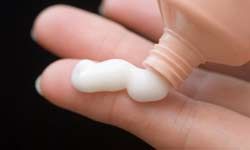
Most women are bothered at one time or another by vaginitis -- the itching, burning, pain, and discharge that comes with a vaginal yeast infection. Yeast infections can be caused by a number of organisms, many of which inhabit the healthy vagina. One of the most common causes of vaginitis is the fungus Candida albicans. The annoying symptoms can include itching, discharge that has a "baked bread" odor, and reddening of the labia and, in some cases, the upper thigh.
In this article, we'll discuss 26 home remedies for treating yeast infections, ranging from healthy eating habits to physical treatments. Some will hopefully provide relief from the discomfort of frequent yeast infections. But first: What are yeast infections, and what causes them?Yeast infections are not restricted to women only. You know that diaper rash covering the cutest little bottom you've ever seen? Guess what? Yeast. And that condition called thrush that babies often develop in the mouth? Yeast again. It's a fungus that can proliferate anywhere the breeding ground is right.
Yeast infections, especially recurrent ones, are a signal that your body is out of balance. Candida normally grows in a healthy vagina, where the slightly acid pH environment keeps Candida and other microorganisms from multiplying rapidly enough to cause infection.
However, if the normal vaginal pH is altered, one or more microorganisms can begin to grow unchecked. The itching, burning, pain, and discharge are caused by the waste products of rapidly multiplying Candida (or other) organisms.
There are a variety of factors that can throw your vaginal environment out of balance, including:
![]() Several things can cause changes to your vaginal environment, including the hormonal changes associated with pregnancy. |
- Pregnancy. The hormonal changes associated with pregnancy alter the vaginal pH and increase the production of blood sugar, which provides food for infectious organisms.
- Menstruation. Some women report more yeast flare-ups just before or just after their menstrual period.
- Antibiotics. Candida live in the healthy vagina in balance with other microorganisms, especially lactobacilli. Tetracycline, ampicillin, or another antibiotic, taken for an unrelated infection, often kills the vagina's lactobacilli, allowing Candida to multiply out of control. Some antibiotics, especially tetracycline, also appear to stimulate the growth of yeast organisms.
- Diabetes that is poorly controlled. When diabetes is poorly controlled or uncontrolled, the level of sugar in the urine and vagina, as well as in the blood, increases, providing food that can fuel increased yeast growth. Indeed, repeated yeast infections in the vagina or mouth are often the clue that prompts doctors to test patients for the presence of previously undiagnosed diabetes.
- Illnesses or drugs that impair immune function. Illnesses and diseases such as AIDS as well as corticosteroids and other medications that suppress the body's immune system can also affect the balance of microorganisms in the vagina and, thus, the body's ability to keep yeast in check.
- Stressful times. Doctors don't fully understand the stress/yeast connection, but many women report an increase in yeast infections during times of high stress. It is possible that part of the explanation lies in the effects chronic or uncontrolled stress have on the body's immune function.
Typical symptoms of a vaginal yeast infection include intense itching and soreness accompanied by a thick white discharge. Symptoms of a genital yeast infection in men include irritation and itching in the genital area, sometimes accompanied by white discharge under the foreskin and/or swelling at the end of the penis. In the throat, yeast looks like creamy white patches.
While yeast infections can often be treated successfully at home, it's important to be sure that yeast is really the culprit. Infection with other types of organisms, which may require treatment with prescription medication, can often cause symptoms similar to those of a yeast infection.
If the discharge is foul-smelling, yellowish, and frothy, you may be infected by a one-celled protozoa called Trichomonas, or "trick." If you have a heavy discharge without much irritation and notice a fishy odor, particularly after intercourse, your symptoms may be due to a bacterial infection that doctors call "bacterial vaginosis." Indeed, bacterial infections are the most common cause of vaginitis. Both of these infections require treatment with prescription medication.
In addition, symptoms similar to those of vaginitis may be caused by sexually transmitted diseases such as gonorrhea or chlamydia. Therefore, it's important to have your vaginal symptoms evaluated by a physician to ensure proper treatment, especially if you have any symptoms that you have never experienced before.
|
Many women who suffer from recurrent yeast infections have had their symptoms diagnosed by a doctor and know all too well the signs and symptoms of a yeast flare-up. If you're sure your vaginitis is caused by a yeast infection, you may want to try the home remedies in the next section.

For more information about potential vaginal and female reproductive system problems, visit the following sections:
- To see all of our home remedies and the conditions they treat, go to our main Home Remedies page.
- Yeast infections are caused by a fungus and they can be quite painful and unpleasant. Learn how to cure this condition naturally in Herbal Remedies for Yeast Infections.
- Dealing with a UTI? Read about potential solutions in Home Remedies for Urinary Tract Infections.
- For natural ways to soothe painful PMS, read our Home Remedies for Premenstrual Syndrome section.
- To find out how to potentially sidestep UTIs, read How to Prevent Urinary Tract Infections.