Vitamin B12 acts differently than other vitamins. A substance called intrinsic factor, made in the stomach, must be present in the intestinal tract in significant amounts to allow for the absorption of vitamin B12. This factor combines with the vitamin B12 that is released from food during digestion. People who don't have intrinsic factor eventually show symptoms of a vitamin B12 deficiency -- a condition called pernicious anemia. This article will explain how B12 was discovered, which foods have it, how much is needed and why those who are deficient must take large doses of supplements.
- What Is Vitamin B12?
Why would eating liver cure anemia? That question set scientists on the road to the discovery of one of the most complex and unique vitamins. It turns out that vitamin B12 must be present for new cells to form, and it can only be made by bacteria, which is why foods from animals tend to have a lot of it. Find out the details on this page, along with some other good sources for those of you (OK, all of you) who don't much care for liver. - Benefits of Vitamin B12
Vitamin B12 is used effectively in diseases that afflict the young and old alike. It is used to treat asthma and has shown promise against HIV. In the elderly, it can help reverse a slowdown in mental function -- and even seems to hinder Alzheimer's if the disease is caught early enough. Learn about the medicinal uses of vitamin B12 on this page. - Vitamin B12 Deficiency
Because the American diet is rich in animal foods, most of us get plenty of vitamin B12. In fact, the main groups of people at risk for B12 deficiency are vegans (strict vegetarians) and people whose stomachs produce less acid as they age. Some people are also born without the intrinsic factor needed to absorb B12. This page will tell you how muh B12 you need and cover the scenarios in which people don't get enough. - Vitamin B12 Supplements
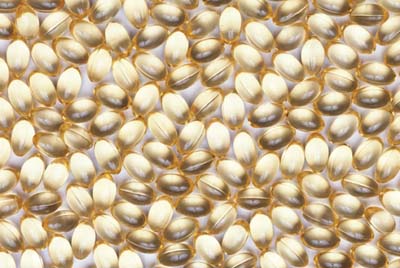
A lack of vitamin B12 usually results from the body's inability to absorb it, not from a dietary deficiency. That means that people who don't have enough must take large quantities of supplements, far more than they would actually need, so that enough of the vitamin will "stick" in the body. Find out how much of a supplement you would need on this page.
- Folate is necessary for healthy growth, because it makes DNA and RNA. Learn how it manufactures cells at How Folate Works.
- Vitamin A plays an essential role in eyesight. Learn how it helps us to see, even in the dark, at How Vitamin A Works.
- Found mostly in protein, Vitamin B3 keeps us strong. How Vitamin B3 Works explains what happens if you don't get enough of it.
- Vitamin B6 is effective against more than 100 ailments. How Vitamin B6 Works will explain the details and tell you how to get enough in your diet.
- Everyone knows Vitamin C fights the common cold. Learn how it does the trick at How Vitamin C Works.
- To learn about the many vitamins in our diet, how much you should be eating, and where to find them, go to our general Vitamins page.
- To find the lowest prices on B vitamin supplements, click here.
Advertisement