People who have reduced saliva flow due to diseases such a Sjogren Syndrome, dysfunction of their salivary glands, have undergone cancer chemotherapy or radiation, and who smoke are more likely to develop cavities. Saliva is important in fighting cavities because it can rinse away plaque and food debris, and help neutralize acid. People who have limited manual dexterity and have difficulty removing plaque from their teeth may also have a higher risk of forming cavities. Some people have naturally lower oral PH, which makes them more likely to have cavities.
The easiest way to prevent cavities is by brushing your teeth and removing plaque at least three times a day, especially after eating and before bed. Flossing at least once a day is important to remove plaque between your teeth. You should brush with a soft bristled toothbrush, and angle the bristles about 45 degrees toward the gum-line. Brush for about the length of one song on the radio (3 minutes). It's a good idea to ask your dentist or hygienist to help you with proper brushing methods.
Reducing the amount and frequency of eating sugary foods can reduce the risk of forming cavities. If you are going to drink a can of sweetened soda, for instance, it is better to drink it in one sitting, than sip it throughout the day. Better yet, drink it through a straw in one sitting, to bypass the teeth altogether. Getting to the dentist at least twice a year is critical for examinations and professional cleanings.
To reduce the incidence of cavities, use toothpaste and mouthwash that contain fluoride. Fluoride is a compound that is added to most tap water supplies, toothpastes, and mouth rinses to reduce cavities. Fluoride becomes incorporated into our teeth as they develop and makes them more resistant to decay. After our teeth are formed, fluoride can reverse the progress of early cavities, and sometimes prevent the need for corrective dental treatment.
The recent drop in the number of cavities is largely due to the addition of fluoride to our drinking water. Mass water fluoridation is the most cost-effective measure available to reduce the incidence of tooth decay. The Environmental Protection Agency has determined that the acceptable tap water concentration for fluoride is 0.7 to 1.2 parts per million. Much higher levels have been associated with chalky white discolorations of the teeth known as fluorosis.
If you live in an area that does not have fluoride or are very susceptible to cavities, your dentist can use high concentration, in-office fluoride treatments and prescribe a fluoride supplement, either as a gel, in tablets or drops. In some cases, customized trays can be used while you sleep to deliver higher doses of fluoride and help strengthen teeth to prevent cavities.
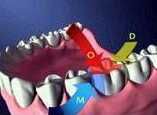
A dental procedure called sealants can also help reduce cavities on the top and sides of back teeth (occlusal, buccal and lingual surfaces). A sealant is a white resin material that blankets the tooth, protecting the vulnerable pits and fissures of the tooth. Sealants are routinely placed on children's teeth to prevent cavities on their newly developing molars. The use of sealants to prevent cavities is also a cost-effective way to reduce the incidence of cavities on adults as well. Sealants are generally not used on teeth that already have fillings.
People who have a dry mouth are at risk for developing cavities, and can have their dentist prescribe artificial saliva and mouth moisturizers as well as recommend chewing sugarless gum to stimulate saliva production. Finally, an antiseptic mouthwash containing chlorhexidine gluconate such as Peridex can also be useful in killing bacteria associated with dental caries.