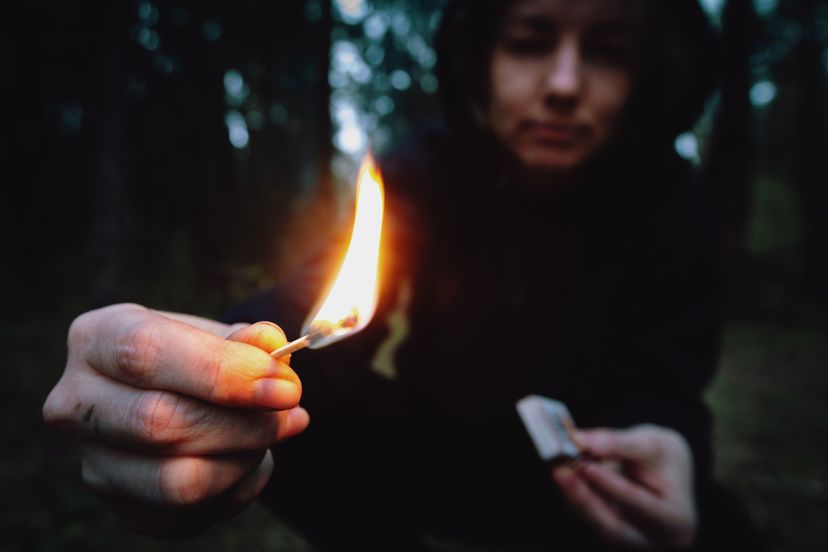
"Fire became a part of my vocabulary in preschool days … Each summer, I would look forward to the beginning of fire season as well as the fall … I may feel abandoned, lonely, or bored, which triggers feelings of anxiety or emotional arousal before the fire … I want to see the chaos as well as the destruction that I or others have caused … [After the fire is out] I feel sadness and anguish and the desire to set another fire."
While most people have some fascination with fire, the curiosity usually wanes with age and with a firm understanding of the dangers of fire. However, some individuals, like Sarah Wheaton -- who was a college student when she was admitted to a psychiatric hospital for compulsive fire-setting -- have a lifelong fascination with fires and an irresistible impulse to set them. This behavior is called pyromania; many myths, misconceptions and controversies surround it, and psychiatrists disagree about whether it's truly a disease.
Advertisement
In this article, we'll examine pyromania. What is it? How common is this behavior? How is it different from arson? What causes it, and how can it be treated?