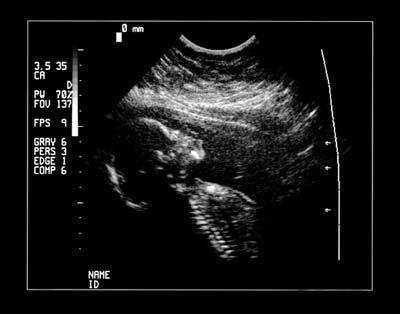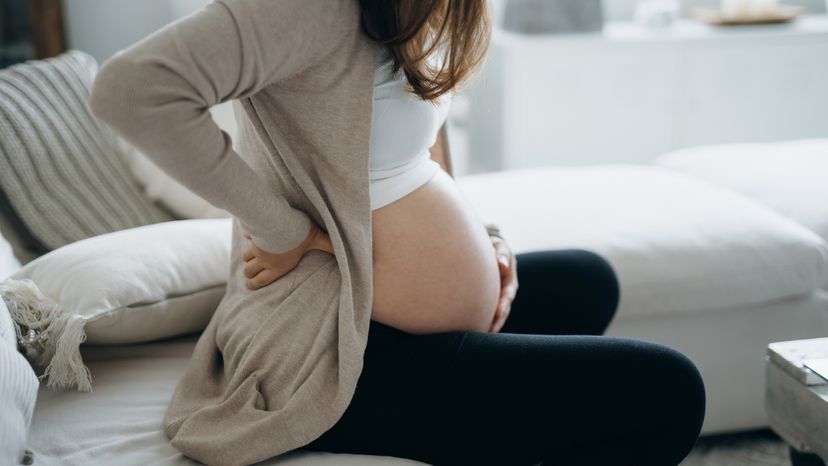
Changes during pregnancy are profound yet natural. Your body gains weight and pumps more blood, the enlarged uterus affects your urination and digestion, and the growing fetus demands that your metabolism change, which affects your appetite and causes discomfort. Luckily, your body will return to normal after the pregnancy. In this article, we will help you understand the changes or body will go through over the course of the following sections:
- Changes in the Reproductive System During Pregnancy Your uterus undergoes the most profound changes during pregnancy, increasing to 20 times its original weight and changing shape several times. The cervix, vagina and breasts also change, as the body increases blood supply and begins producing milk.
- Changes in the Blood During Pregnancy Your heart works harder and beats faster to increase the volume of blood in your body, since that's how your baby is fed. The increased blood pressure enlarges the uterus and veins, and can cause swelling and faintness.
- Changes in the Digestive System During Pregnancy The enlarged uterus affects urination and digestion and more sugar and protein may spill into your urine. Food cravings for things like pickles or ice cream are commonplace, and the pregnancy affects your senses of taste and smell, not to mention morning sickness and lack of an appetite.
- Changes in the Metabolism During Pregnancy Your changing metabolism is necessary to nourish the fetus. You must eat more to supply enough protein, carbohydrates and fat for the fetus as well as your own ballooning body. Most women gain about 25 pounds during pregnancy, but remarkably the body returns to normal after birth.
- Discomfort During Pregnancy Discomfort during pregnancy is completely normal. Carrying 25 extra pounds inside of you is no small feat, not to mention heartburn, morning sickness or loss of appetite. Other side effects can include constipation and hemorrhoids and swelling of the legs. But there are many things you can do to combat these natural discomforts during pregnancy.
This information is solely for informational purposes. IT IS NOT INTENDED TO PROVIDE MEDICAL ADVICE. Neither the Editors of Consumer Guide (R), Publications International, Ltd., the author nor publisher take responsibility for any possible consequences from any treatment, procedure, exercise, dietary modification, action or application of medication which results from reading or following the information contained in this information. The publication of this information does not constitute the practice of medicine, and this information does not replace the advice of your physician or other health care provider. Before undertaking any course of treatment, the reader must seek the advice of their physician or other health care provider.
Advertisement
Advertisement