The Diagnostic and Statistical Manual of Mental Disorders, commonly known as DSM-IV, offers a detailed and rather complicated set of criteria for diagnosing ADHD. The DSM lists two different categories of possible symptoms. Category A contains nine symptoms that fall under the title of Inattention. Category B contains nine symptoms of Hyperactivity-Impulsivity. In order to be used for a diagnosis, the symptoms in question must "have been present for at least six months to a point that is disruptive and inappropriate for developmental level" [source: CDC]. Symptoms of inattention include trouble listening to directions and staying organized, as well as seeming distracted and being forgetful. People who are hyperactive or impulsive may speak or yell when they're not supposed to and disrupt others.
There are three types of possible ADHD diagnosis. The differing names reflect the nature of the patient's symptoms. ADHD, Predominantly Inattentive Type means that the subject has demonstrated symptoms from category A for six months. ADHD, Predominantly Hyperactive-Impulsive Type refers to those who show symptoms from category B for six months. Finally, ADHD, Combined Type is for someone who has shown symptoms from both categories for six months.
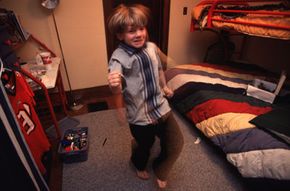
Let's take a closer look at the types of ADHD and their accompanying symptoms. A child of the Predominantly Inattentive Type may have trouble completing tasks, paying attention to instructions and focusing in class. He or she may also appear tired or daydream frequently. This variation of ADHD can be more difficult to detect because the symptoms may be less obvious than those of another type. That isn't usually the case with children of the Predominantly Hyperactive-Impulsive Type, who often show constant energy, can't sit still and need to remain active at all times. Impulsive children don't check and consider their actions or statements. They'll seemingly do things without thinking, such as make inappropriate comments. Someone with the Combined Type of ADHD may show any of the aforementioned symptoms.
An ADHD diagnosis is usually made by a pediatrician, neurologist, psychologist, psychiatrist or trained social worker. Teachers, who work closely with many children and are likely experienced at dealing with ADHD, are often useful in helping to spot possible cases. They can help monitor children and discuss potential issues with parents. Many schools also require teachers to fill out evaluation forms, which a professional considering a diagnosis of ADHD may examine.
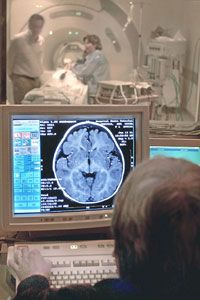
In addition to consulting with teachers and parents, the person making the diagnosis may look at a child's behavior during situations that demand restraint and discipline. The practitioner will see how the child's disruptive behaviors affect his life and relationships, when they occur, how long the issues have been present, other complicating factors (such as other disorders) and the situation at home. And while various types of brain scans and magnetic imaging have been used in studying ADHD, specialists don't use these techniques in diagnosing the disorder. Once a child is diagnosed, he or she generally receives treatment (something we'll discuss in a later section) and is re-evaluated and monitored through the years.
ADHD can be misdiagnosed because many children display some of the symptoms of the disorder while not having the disorder itself. Similarly, their symptoms may actually be caused by another disorder or some other personal or social problem. The various types of ADHD can also lead someone to misinterpret or overlook symptoms. A brash, unruly, hyperactive child will attract more attention than one who is quiet, distracted and aloof, although both might be equally afflicted with ADHD.
A child's symptoms might appear only in some environments, such as when he or she is at school. In that case, it may not be ADHD at all. The National Institute of Mental Health states that the symptoms must negatively affect the child's life in more than one environment to be considered ADHD.