Natural Home Remedies for Insomnia

Insomnia can make you a poster child for the walking dead. Fortunately, home remedies from your kitchen can help you cope with sleepless nights. Try the remedies listed below to find which work for you.

Home Remedies From the Cupboard

Cookies. Yes, that comforting nighttime snack of milk and cookies may be just what the doctor ordered to get you back in bed. Sugary foods eaten about 30 minutes before bedtime can actually act as a sedative, and you can wake up without the morning fuzziness that accompanies synthetic sleeping pills. Be careful to eat only a few cookies, though; eating too much sugar can keep the sandman at bay.

Eating a few cookies before you go to bed can make you sleepy.
©2007 Publications International, Ltd.
Eating a few cookies before you go to bed can make you sleepy.

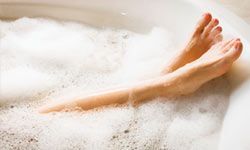
Epsom salts. Naturopathic practitioners recommend this remedy for sleepless nights. Add 1 to 2 cups Epsom salts to a hot bath and soak for about 15 to 20 minutes before hitting the hay.

Honey. Folk remedies often advise people with sleeping difficulty to eat a little honey. It has the same sedative effect as sugar and may get you to bed more quickly. Try adding 1 tablespoon honey to some decaffeinated herbal tea or even to your warm milk for a relaxing pre-sleep drink.

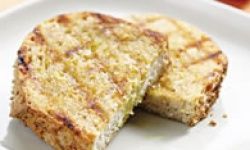
Toast. High carbohydrate, low-protein bedtime snacks can make sleeping easier. Carbohydrate-rich foods tend to be easy on the tummy and can ease the brain into blissful slumber.

Milk. Drinking a glass of milk, especially a glass of warm milk, before bedtime is an age-old treatment for sleeping troubles. There is some debate, however, about what it is in milk -- if anything -- that helps cause slumber. Some scientists believe it's the presence of tryptophan, a chemical that helps the brain ease into sleep mode, that does the trick. Others believe it may be another ingredient, a soothing group of opiatelike chemicals called casomorphins. Whatever the reason, milk seems to help some people hit the sack more easily. And warm milk seems to be more effective at relaxing body and mind. However, if you wake frequently to urinate, avoid liquids for a few hours before bedtime. Other foods high on the tryptophan scale are cottage cheese, cashews, chicken, turkey, soybeans, and tuna.

Dill seed. Though scientists haven't proved its worth, this herb is often used as a folk cure for insomnia in China. Its essential oil has the most sedative-producing properties.

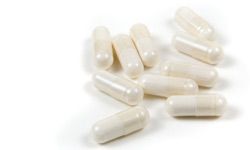
5-HTP. Some experts believe a tryptophan deficiency can cause problems with sleep. Made from tryptophan, 5-HTP helps the body make serotonin. Low levels of serotonin are a known factor in sleepless nights. Taking a 5-HTP supplement may be a benefit if your body has low levels of tryptophan. How do you know if you're low? Low levels of tryptophan are most common in people who are depressed. If your insomnia is associated with depression, it might be a good question to ask your doctor. In one study, 100 mg of the supplement was enough to make sleep longer and better.

Melatonin. Melatonin is the timekeeper of the body. It's a hormone that regulates your biological clock. As you get older you make less melatonin, which experts believe is probably why older folks have more trouble sleeping. Research is showing that taking a melatonin supplement can help you sleep. Ask your doctor about taking 1 to 3 mg of melatonin 11/2 to 2 hours before bedtime.

Melatonin supplements aren't the only natural cure to help you sleep. Continue on to the next page to learn about the sleeping benefits of Valerian.

For more information about treating conditions related to sleep, try the following links:
This information is solely for informational purposes. IT IS NOT INTENDED TO PROVIDE MEDICAL ADVICE. Neither the Editors of Consumer Guide (R), Publications International, Ltd., the author nor publisher take responsibility for any possible consequences from any treatment, procedure, exercise, dietary modification, action or application of medication which results from reading or following the information contained in this information. The publication of this information does not constitute the practice of medicine, and this information does not replace the advice of your physician or other health care provider. Before undertaking any course of treatment, the reader must seek the advice of their physician or other health care provider.