There is no cure for autism, but with treatment, people with the condition can live fuller lives. Behavioral therapy (also called behavioral intervention) is the most commonly used treatment. Teachers, parents and counselors work together to help the child improve his or her communication, physical and social skills.
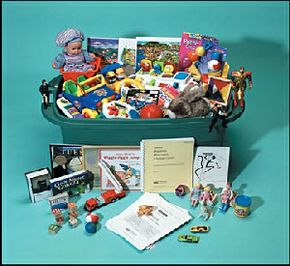
One of the most popular behavioral therapies is called Treatment and Education of Autistic and Communication Handicapped Children (TEACCH), which was developed in the 1970s. With this method, parents and professionals (teachers, therapists, etc.) work closely together to improve the child's adaptive skills through structured cognitive and behavioral therapy. The program is individualized to the child, and takes place in several environments-from clinics to classrooms. Other educational programs include the Higashi School, which teaches positive behaviors through art, academics and physical education; and Bright Start, which helps improve children's communication, attention and cognitive skills.
Children also may need occupational therapy (to learn everyday tasks), sensory integration therapy (to help process stimuli), physical therapy (to improve motor skills) and speech therapy. Treatment should be tailored to the individual child.
Although they can't treat autism specifically, medications can help manage the symptoms of autism. Most drugs prescribed for autism are used off-label, which means they are not approved by the U.S. Food & Drug Administration specifically for autism, but they have been approved to treat the same symptoms in other conditions. These medications include:
Antidepressants - Researchers have found that people with autism have a higher-than-normal level of the neurotransmitter serotonin. Drugs called selective serotonin reuptake inhibitors (SSRIs), which include Prozac and Zoloft, help regulate serotonin levels and control anxiety, depression and obsessive-compulsive behaviors. (There is concern that these drugs may be associated with suicidal thoughts and behaviors in children, however; so they are used with caution.)
Antipsychotic medications - These drugs, which were originally designed to treat schizophrenia, may be helpful for aggression and other severe behavioral problems associated with autism. Antipsychotic medications work by reducing the amount of the neurotransmitter, dopamine, in the brain. The older antipsychotic medications (such as Haldol) may be effective for autism, but they can have side effects, including sedation and unusual movements (called dyskinesias). In 2006, the FDA approved a newer antipsychotic medication, Risperdal, for irritability in autistic children and adolescents ages 5 to 16. It is the first drug to be approved specifically for autism-related behaviors, such as aggression, hostility, self-injury, and agitation, and it tends to have fewer side effects than the older antipsychotics.
Stimulant medications - Medications used to treat attention-deficit hyperactivity disorder (ADHD), such as Ritalin or Adderall, may be effective for the symptoms of hyperactivity and impulsivity in children with autism. These drugs, too, can have behavioral side effects and children taking them need to be carefully monitored.
We'll examine some complementary and alternative therapies for autism in the next section.