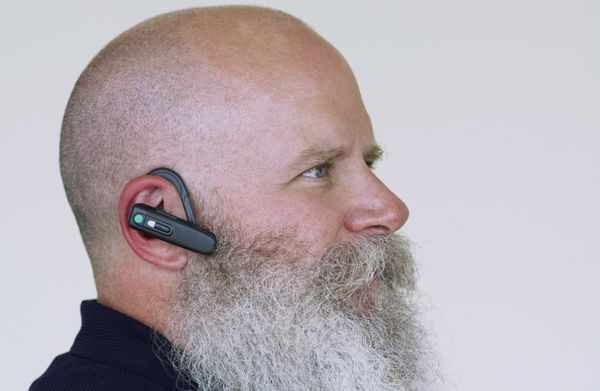
We all remember that old uncle with the horseshoe-shaped fringe of hair encircling the back of his otherwise bare pate. Along with the spare tire, baldness has always been one of those decidedly un-cool signs of aging.
Even though bald celebrities like Bruce Willis, Michael Jordan, Patrick Stewart and American Idol’s Chris Daughtry have achieved sex symbol status, many of the estimated 40 million American men -- and women -- who are going bald aren’t content with losing their hair. They’re spending more than $1 billion a year on hair transplants, lotions, toupees, and even spray-on hair to combat baldness.
Advertisement
In this article, we’ll find out which, if any, baldness treatments actually work. But first, let’s look at why people lose their hair.
What Causes Baldness?
Just underneath the skin on the head are follicles -- an estimated 100,000 of them per person. One hair grows from each of these follicles in a cycle made up of three distinct phases:
- Anagen - Growth phase
- Catagen - In-between phase
- Telogen - Falling-out phase
Each hair grows at a rate of about one-half inch per month for two to six years, and then falls out. If you see hair in your brush or on your shower floor in the morning, don’t be alarmed that you’re going bald. It’s normal for people to lose 50 to 100 hairs each day as part of the normal telogen cycle. You're balding, however, when more hair falls out than is replaced, the new hair is thinner than the hair that fell out, or the hair falls out in clumps.
One of the main causes of baldness is when the male hormone testosterone is converted to a form called dihydrotestosterone (DHT). DHT acts on the hair follicle to slow down hair production and produce thinner, weaker hairs. Eventually, hair production in the follicles stops. Women also have a small amount of testosterone, but estrogen weakens its effects until menopause, when estrogen production slows (that’s why many women find themselves facing hair loss after menopause).
Advertisement