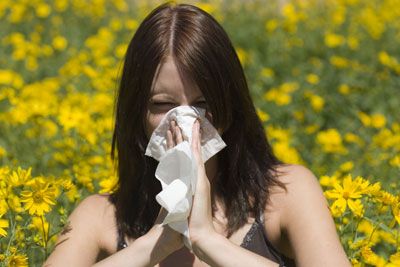
Spring's pollens. Summer's smog. Autumn's falling leaves. Winter's house dust. For millions of Americans, each change of season brings its own brand of allergy triggers and irritants. For people with common hay fever and allergies, these pollutants can bring on symptoms ranging from a continuous, annoying postnasal drip to a full-scale, coughing sneezing-itchy-eyed allergy attack. For other allergy sufferers, such as those with allergic asthma or an allergy to bee stings, attacks can be fatal.
While life-threatening allergies are a matter of grave concern to discuss with your doctor, there are many simple home remedies for common allergies that can alleviate some of sniffling and sneezing. In this article, we will show you 27 safe and effective home remedies to relieve your allergy symptoms using time-tested methods and everyday materials. Let's get started with a closer look at what allergies are.
Understanding Allergies
Allergies can be called a haywire response of the immune system. Normally, the immune system guards against intruders that it considers harmful to the body, such as certain viruses and bacteria. That's its job. If you're an allergic person, however, the immune system goes a bit bonkers. It overreacts when you breathe, ingest, or touch an ordinarily harmless substance. The benign culprits triggering the overreaction, such as dust, pet dander, and pollen, are called allergens.
The tendency to become allergic is inherited, and allergies typically develop before age 30. What you become allergic to is based on what substances you are exposed to and how often you are exposed to them. Generally, the more you are exposed to an allergen, the more likely it is to trigger a reaction.
The body's first line of defense against allergens includes the nose, mouth, eyes, lungs, and stomach. When the immune system reacts to an allergen, these body parts make great battlegrounds. Symptoms include runny nose; sneezing; watery, swollen, or red eyes; nasal congestion; wheezing; shortness of breath; a tight feeling in the chest; difficulty breathing; coughing; diarrhea; nausea; headache; fatigue; and a general feeling of misery. Symptoms can occur alone or in combination.
In many cases, allergy symptoms are difficult to differentiate from the symptoms of other disorders and illnesses, such as a cold, a deformity of the nose, or food intolerance. For this reason, many doctors suggest that allergies be properly diagnosed by a board certified allergist (a medical doctor specially trained to treat allergies) to avoid the self-administration of inappropriate medications or other remedies.
Also, many allergy sufferers can benefit from today's wide range of available treatments, such as new antihistamines that don't cause drowsiness (including both prescription and over-the-counter drugs), nasal corticosteroids, and allergy injections that can provide immunity to a specific allergen. (An allergen is the technical name for any substance, such as pollen, that causes an allergic reaction.) If you don't go to the doctor, you may be missing out on a treatment that could be of great help to you.
However, many mild allergies, such as seasonal hay fever or an allergy to cats, can be treated with a combination of properly used, over-the-counter antihistamines and a wide range of strategies to reduce or eliminate exposure to particularly annoying allergens. In the next section, we will look at some home remedies to help you avoid these allergens and relieve allergy symptoms if you are exposed.
For more information about allergies and how to combat them, try the following links:
While life-threatening allergies are a matter of grave concern to discuss with your doctor, there are many simple home remedies for common allergies that can alleviate some of sniffling and sneezing. In this article, we will show you 27 safe and effective home remedies to relieve your allergy symptoms using time-tested methods and everyday materials. Let's get started with a closer look at what allergies are.
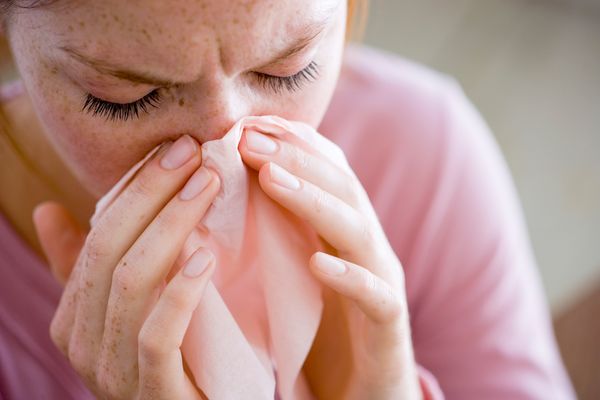
![]() ©2007 Publications International, Ltd. Allergy symptoms can run from a runny nose to life-threatening reactions. |
Allergies can be called a haywire response of the immune system. Normally, the immune system guards against intruders that it considers harmful to the body, such as certain viruses and bacteria. That's its job. If you're an allergic person, however, the immune system goes a bit bonkers. It overreacts when you breathe, ingest, or touch an ordinarily harmless substance. The benign culprits triggering the overreaction, such as dust, pet dander, and pollen, are called allergens.
The tendency to become allergic is inherited, and allergies typically develop before age 30. What you become allergic to is based on what substances you are exposed to and how often you are exposed to them. Generally, the more you are exposed to an allergen, the more likely it is to trigger a reaction.
The body's first line of defense against allergens includes the nose, mouth, eyes, lungs, and stomach. When the immune system reacts to an allergen, these body parts make great battlegrounds. Symptoms include runny nose; sneezing; watery, swollen, or red eyes; nasal congestion; wheezing; shortness of breath; a tight feeling in the chest; difficulty breathing; coughing; diarrhea; nausea; headache; fatigue; and a general feeling of misery. Symptoms can occur alone or in combination.
In many cases, allergy symptoms are difficult to differentiate from the symptoms of other disorders and illnesses, such as a cold, a deformity of the nose, or food intolerance. For this reason, many doctors suggest that allergies be properly diagnosed by a board certified allergist (a medical doctor specially trained to treat allergies) to avoid the self-administration of inappropriate medications or other remedies.
Also, many allergy sufferers can benefit from today's wide range of available treatments, such as new antihistamines that don't cause drowsiness (including both prescription and over-the-counter drugs), nasal corticosteroids, and allergy injections that can provide immunity to a specific allergen. (An allergen is the technical name for any substance, such as pollen, that causes an allergic reaction.) If you don't go to the doctor, you may be missing out on a treatment that could be of great help to you.
However, many mild allergies, such as seasonal hay fever or an allergy to cats, can be treated with a combination of properly used, over-the-counter antihistamines and a wide range of strategies to reduce or eliminate exposure to particularly annoying allergens. In the next section, we will look at some home remedies to help you avoid these allergens and relieve allergy symptoms if you are exposed.
For more information about allergies and how to combat them, try the following links:
- To see all of our home remedies and the conditions they treat, go to our main Home Remedies page.
- If you are suffering from the watering eyes and runny nose from your allergies, you've probably tried every product in the pharmacy for some relief. Maybe it's time try some herbal remedies. Find out more in Herbal Remedies for Allergies.
- To learn more about the science of allergies, read How Allergies Work.
- If you want to cut down on the allergens in your house, try How to Allergy-Proof Your Home.
- Allergy Treatments can help you understand the cost and methods of alleviating allergy symptoms.
- For more tips on how to adjust your lifestyle to cope with allergies, read How to Live With Allergies.