Natural Home Remedies for Allergies
There are many simple home remedies for you allergy symptoms using some of the everyday objects in your kitchen. Before you invest in some expensive antihistamines, consider using tea or table salt on your aching skin and sinuses.Home Remedies From the Cupboard
Baking soda. One-half cup baking soda poured into a warm bath is an old New England folk remedy for soothing hives (red, itchy, raised areas on the skin). Soak in the bath for 20 to 30 minutes.
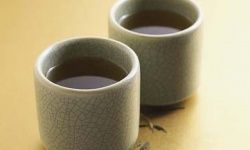
Tea. Allergy sufferers throughout the centuries have turned to hot tea to provide relief for clogged-up noses and irritated mucous membranes, and one of the best for symptom relief is peppermint tea. Peppermint's benefits extend well beyond its delicious smell; the essential oil acts as a decongestant, and substances in peppermint contain anti-inflammatory and mild antibacterial constituents.
![]() ©2007 Publications International, Ltd. Tea has been used for centuries as a remedy for nasal decongestion. |
Home Remedies From the Freezer
Ice. Wrap a washcloth around ice cubes and apply it to your sinuses for instant relief and refreshment.
Home Remedies From the Refrigerator
Milk. Milk does the body good, especially when it comes to hives. Wet a cloth with cold milk and lay it on the affected area for 10 to 15 minutes.
Wasabi. If you're a hay fever sufferer who also loves Japanese food, this remedy will please. Wasabi, that pale-green, fiery condiment served with many Japanese dishes, is a member of the horseradish family. Anyone who has taken too big a dollop of wasabi (or plain old horseradish) knows that it makes sinuses and tear ducts spring into action. That's because allyl isothiocyanate, a constituent in wasabi, promotes mucus flow.
The tastiest way to get those allyl isothiocyanates is by slathering horseradish on your sandwich or plopping wasabi onto your favorite sushi. Another option -- although harder to swallow -- is to purchase grated horseradish, and take 1/4 teaspoon to alleviate allergy symptoms.
Home Remedies From the Spice Rack
Basil. To help ease allergy symptoms such as hives, try dousing the skin with basil tea, a traditional Chinese folk remedy. Basil contains high amounts of an anti-allergic compound called caffeic acid. Place 1 ounce dried basil leaves into 1 quart boiling water. Cover, and let cool to room temperature. Use the tea as a rinse as often as needed.
Salt. Nasal irrigation, an effective allergy-management tool that can be done at the sink every morning, uses a salt water mixture to rid the nasal passages of mucus, bacteria, dust, and other gunk, as well as to soothe irritated passageways. All you need is 1 to 11/2 cups lukewarm water (do not use softened water), a bulb (ear) syringe, 1/4 to 1/2 teaspoon salt, and 1/4 to 1/2 teaspoon baking soda. Mix the salt and baking soda into the water, and test the temperature.
To administer, suck the water into the bulb and squirt the saline solution into one nostril while holding the other closed. Lower your head over the sink and gently blow out the water. Repeat this, alternating nostrils until the water is gone. Nasal irrigation isn't a pretty sight, but it works wonders on sore noses.
Home Remedies From the Stove
Steam. Breathing steam refreshes and soothes irritated sinuses, and it helps rid the nasal passages of mucus. While it takes some time, it will make you feel wonderful! Boil several cups of water and pour into a big bowl (or a plugged sink). Lean carefully over the bowl, and drape a towel over your head. Breathe gently for 5 to 10 minutes.
When you're finished breathing steam, use the water for a second purpose: Let the water cool until warm, saturate a washcloth, and hold the cloth on your sinuses (to the sides of your nose, below the eyes, and above the eyebrows).
Regardless of the type of allergy you have or the symptoms you're experiencing, we have a home remedy that can help bring you relief. Feel free to pick and choose among the home remedies that we have provided for you, but -- keep in mind -- if your symptoms become severe, see your doctor right away.
For more information about allergies and how to combat them, try the following links:
- To see all of our home remedies and the conditions they treat, go to our main Home Remedies page.
- If you are suffering from the watering eyes and runny nose from your allergies, you've probably tried every product in the pharmacy for some relief. Maybe it's time try some herbal remedies. Find out more in Herbal Remedies for Allergies.
- To learn more about the science of allergies, read How Allergies Work.
- If you want to cut down on the allergens in your house, try How to Allergy-Proof Your Home.
- Allergy Treatments can help you understand the cost and methods of alleviating allergy symptoms.
- For more tips on how to adjust your lifestyle to cope with allergies, read How to Live With Allergies.
Timothy Gower is a freelance writer and editor whose work has appeared in many publications, including Reader's Digest, Prevention, Men's Health, Better Homes and Gardens, The New York Times, and The Los Angeles Times. The author of four books, Gower is also a contributing editor for Health magazine.
Alice Lesch Kelly is a health writer based in Boston. Her work has been published in magazines such as Shape, Fit Pregnancy, Woman's Day, Reader's Digest, Eating Well, and Health. She is the co-author of three books on women's health.
Linnea Lundgren has more than 12 years experience researching, writing, and editing for newspapers and magazines. She is the author of four books, including Living Well With Allergies.
Michele Price Mann is a freelance writer who has written for such publications as Weight Watchers and Southern Living magazines. Formerly assistant health and fitness editor at Cooking Light magazine, her professional passion is learning and writing about health.
ABOUT THE CONSULTANTS:
Ivan Oransky, M.D., is the deputy editor of The Scientist. He is author or co-author of four books, including The Common Symptom Answer Guide, and has written for publications including the Boston Globe, The Lancet, and USA Today. He holds appointments as a clinical assistant professor of medicine and as adjunct professor of journalism at New York University.
David J. Hufford, Ph.D., is university professor and chair of the Medical Humanities Department at Pennsylvania State University's College of Medicine. He also is a professor in the departments of Neural and Behavioral Sciences and Family and Community Medicine. Dr. Hufford serves on the editorial boards of several journals, including Alternative Therapies in Health & Medicine and Explore.
This information is solely for informational purposes. IT IS NOT INTENDED TO PROVIDE MEDICAL ADVICE. Neither the Editors of Consumer Guide (R), Publications International, Ltd., the author nor publisher take responsibility for any possible consequences from any treatment, procedure, exercise, dietary modification, action or application of medication which results from reading or following the information contained in this information. The publication of this information does not constitute the practice of medicine, and this information does not replace the advice of your physician or other health care provider. Before undertaking any course of treatment, the reader must seek the advice of their physician or other health care provider.