While PMS is the major cause of water retention in women, water retention for both men and women can also be related to kidney problems, both serious (kidney disease) and commonplace (not drinking enough water). Heart, liver, or thyroid malfunctions can also play a role in water retention. And, of course, eating too many salty foods can turn your body into a water-storage tank.
Thanks to the effects of gravity, retained water tends to flow southward and pool in the feet, ankles, and legs, although no area of the body is immune. Try to elevate your legs frequently. If you suffer from the occasional bloated-cow feeling due to PMS, eating too much, or not drinking enough water, the kitchen is the place to deflate yourself. Give these home remedies a try to banish some of those extra fluids.
Home Remedies from the Cabinet
Salt. Around the time you expect your period, drastically reduce your salt intake. Sodium increases fluid retention, so don't use the salt shaker. And if recipes call for salt, try adding more pepper or another spice instead. But, most importantly, cut down on processed foods and fast foods, all of which are overflowing with salt.
![]() ©2007 Publications International, Ltd. Bananas contain high amounts of potassium, which helps eliminate fluid retention. |
Home Remedies from the Counter
Bananas. Go ape and grab a few bananas. Slice 'em on your cereal, make a smoothie, or just peel and eat them plain. Bananas contain high amounts of potassium, which helps eliminate fluid retention. Not a banana fan? Gobble down a handful of raisins instead.
Home Remedies from the Freezer
Ice. When ankles puff up, applying an ice pack can help bring them back to normal size. Place ice cubes in a plastic bag with a zipper seal, wrap a light towel around the bag, and apply for five to ten minutes. A bag of frozen veggies also works well. In summertime, dip legs (ankle-deep) into a bath of ice water. People who have diabetes or poor circulation in their feet should skip the ice bath, however, unless directed to use it by their physician.
Home Remedies from the Refrigerator
Cabbage. A natural diuretic, cabbage can be added to salads or sandwiches. Enjoy a side of coleslaw for lunch.
Cranberry juice. Another natural diuretic. Drink it straight from the bottle.
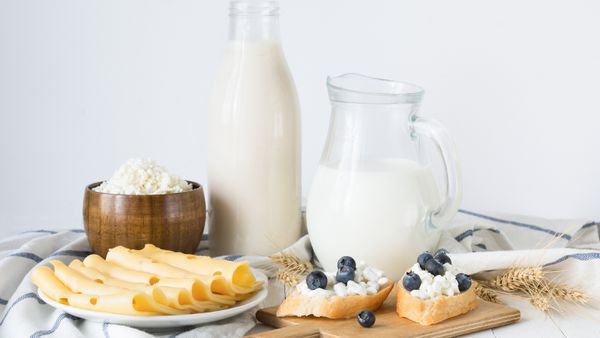
Yogurt. Too many rich treats will cause stomachs to bloat. If you've overindulged and are feeling the effects, treat your stomach to a cup of plain, low-fat yogurt that contains active cultures. The active cultures aid in digestion and increase the good bacteria in the gut.
Home Remedies from the Sink
Water. When you feel waterlogged, guzzling a glass of H2O might be the last thing on your mind. But it may be the best thing for you. Water flushes out the system better than anything else and can reduce premenstrual bloating. Drink 8 to 10 glasses a day; more when you exercise. (NOTE: This advice is only for PMS bloating. If your water retention is caused by any other medical condition, be sure to ask your doctor before drinking extra water -- it may not be good for you.)
Home Remedies from the Supplement Shelf
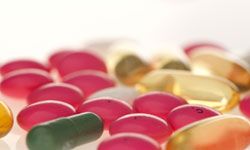
Vitamins A and C. When you feel like a balloon, try to increase your intake of vitamins A and C, both of which help diminish the fragility of capillaries and decrease water retention.
Do's and Don'ts
- DO lift your legs! Ankles can swell like sourdough bread, thanks to water retention. Luckily, avoiding the baguette look just takes a little movement. Exercises that work the calf muscles help move blood and excess fluid out of the ankle area. Regularly walking, running, bicycling, and aerobic dancing can work wonders. If ankles swell while seated at work, try lifting your legs up parallel to the floor every few minutes. During breaks, walk around the office or up the stairs. Spend a portion of the lunch hour on your feet, exercising.
- DO keep your feet up. While resting, reading, or watching television, prop a pillow under those tootsies. A little help from gravity can go a long way in draining fluid from swollen limbs.
- DO cross off the notion that crossing your legs is the way to sit. Doing so limits the blood flow through the thigh veins, in turn aggravating the swelling in the lower legs.
- DO toss out tight clothing. If you have to squeeze into your pants, you can be guaranteed that pressure is being placed on your upper thighs and waist, in turn restricting the removal of fluids from the lower legs.
- DO limit alcohol intake.
- DON'T smoke.
- DO stay away from junk food. Not only is it bad for you, but the excess salt tips the scales.
- DO eat 6 small meals a day, rather than 3 big ones.
A woman's menstrual cycle brings with it all sorts of unpleasant side effects. To learn more, visit these links:
- To see all of our home remedies and the conditions they treat, go to our main Home Remedies page.
- In How PMS Works, learn all about the monthly phenomenon that makes women miserable.
- Use common household foods to relieve menstrual discomfort in Home Remedies for Menstrual Problems.
- Read Home Remedies for Premenstrual Syndrome to learn about home cures for the moodiness, bloating, and everything else that shows up when PMS hits.
Timothy Gower is a freelance writer and editor whose work has appeared in many publications, including Reader's Digest, Prevention, Men's Health, Better Homes and Gardens, The New York Times, and The Los Angeles Times. The author of four books, Gower is also a contributing editor for Health magazine.
Alice Lesch Kelly is a health writer based in Boston. Her work has been published in magazines such as Shape, Fit Pregnancy, Woman's Day, Reader's Digest, Eating Well, and Health. She is the co-author of three books on women's health.
Linnea Lundgren has more than 12 years experience researching, writing, and editing for newspapers and magazines. She is the author of four books, including Living Well With Allergies.
Michele Price Mann is a freelance writer who has written for such publications as Weight Watchers and Southern Living magazines. Formerly assistant health and fitness editor at Cooking Light magazine, her professional passion is learning and writing about health.
ABOUT THE CONSULTANTS:
Ivan Oransky, M.D., is the deputy editor of The Scientist. He is author or co-author of four books, including The Common Symptom Answer Guide, and has written for publications including the Boston Globe, The Lancet, and USA Today. He holds appointments as a clinical assistant professor of medicine and as adjunct professor of journalism at New York University.
David J. Hufford, Ph.D., is university professor and chair of the Medical Humanities Department at Pennsylvania State University's College of Medicine. He also is a professor in the departments of Neural and Behavioral Sciences and Family and Community Medicine. Dr. Hufford serves on the editorial boards of several journals, including Alternative Therapies in Health & Medicine and Explore.
This information is solely for informational purposes. IT IS NOT INTENDED TO PROVIDE MEDICAL ADVICE. Neither the Editors of Consumer Guide (R), Publications International, Ltd., the author nor publisher take responsibility for any possible consequences from any treatment, procedure, exercise, dietary modification, action or application of medication which results from reading or following the information contained in this information. The publication of this information does not constitute the practice of medicine, and this information does not replace the advice of your physician or other health care provider. Before undertaking any course of treatment, the reader must seek the advice of their physician or other health care provider.