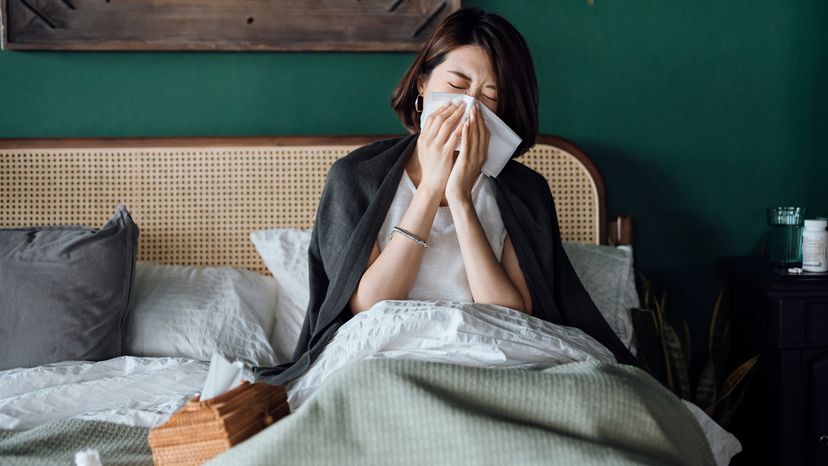
Traditional Chinese Ephedra Apricot Stop Cough Tablets are powerful herbal pills that treat not only cough, but bronchitis and mild asthma, too.
Chinese name: Ma Hsing Chih Ke Pien (mah shing jih keh pyen)
Also known as: Ephedra Apricot Stop Cough Tablets
Indications
Cough, bronchitis, or asthma due to heat
Functions
Clears lung heat, relieves asthma, stops cough
Description
Although this formula is used mostly to treat bronchitis with yellow phlegm due to heat, it is also quite effective in mild cases of asthma. The continual increase in the number of Americans with asthma could be due to such causes as air pollution, chemical exposure, or increased stress. Many people with asthma rely on chemical inhalers throughout the day, and some are forced to seek treatment in hospital emergency rooms on a regular basis for acute asthma attacks.
Herbal medicine is quite effective in treating asthma. The results of herbal therapy range from a complete remission of the disease to a much less frequent use of inhalers.
The word ma in this formula's name refers to ma huang, or Ephedra sinica. This powerful herb contains ephedrine, a strong stimulant that dilates (widens) the bronchial tubes. During an asthma attack, the bronchial tubes narrow, causing a severe restriction in air flow. Inhalers open the passages to enable the person to breathe; Ephedra also handles the job well.
When used properly, Ephedra is quite safe. Unfortunately, some products on the market exploit Ephedra as a stimulant for weight loss or recreational use, and deaths have occurred from overdoses of products that mix high levels of ephedrine and caffeine. This is a gross misuse of an important medicine. The U.S. Food and Drug Administration (FDA) is looking into the sale of these products; some states have already banned products containing high levels of ephedrine.
Reputable, qualified practitioners in the United States hope the irresponsible actions of some manufacturers won't cause the removal of this valuable drug from the marketplace.
Ma Hsing Chih Ke Pien can also be used for cough due to heat, with sore throat, dry loud cough, or swollen glands. When used for chronic asthma, it is best to combine it with Ping Chuan Pills, which also contain herbs that tone and strengthen the lungs.
In a clinical trial in China, the bulk version of this formula was given to 40 children with asthma. All of them experienced temporary relief; out of the 19 who had chronic asthma, only two children experienced relapses up to six months later.
Warning: Ephedra can raise blood pressure and should not be taken by people with high blood pressure, heart disease, a history of stroke, or a sensitivity to caffeine. Some people experience insomnia if they take the remedy too close to bedtime. Do not exceed recommended dosages.
Asthma is a life-threatening condition for many people. While herbal medicine can greatly help in its treatment, be sure to keep an inhaler available for emergencies, even if it seems that you no longer need it.
Manufacturer: Siping Pharmaceutical Works
Dosage: 4 pills, two to three times a day
Colds, ear infections, even malaria -- there is one Chinese medicine that treats them all. Learn about this remarkable herbal treatment next.
For more about traditional Chinese medicine, treatments, cures, beliefs, and other interesting topics, see: