
Men's Health
Men's Health articles focus on specific health needs for men. Learn about maintaining good health and preventing common health problems.
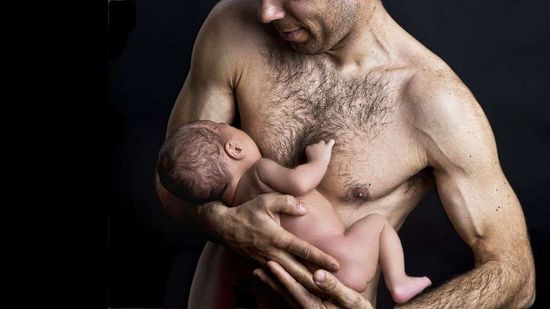
So What Are Men's Nipples For, Anyway?

Why Men Don't Like to Go to the Doctor

10 Tips on How to Get a Ripped Back

Man's War With Unwanted Body Hair
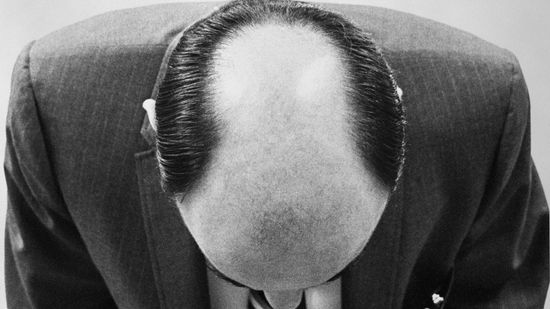
Why Aren't There More Patterns in Male Pattern Baldness?

5 Hygiene Tips for Staying Fresh All Day
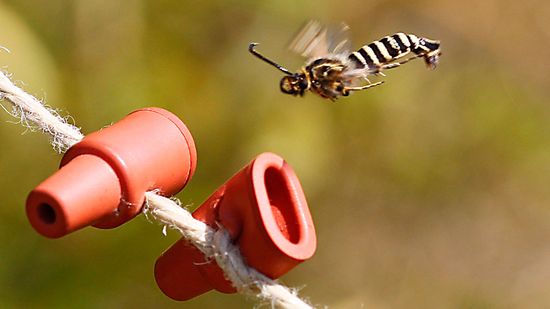
What Do Pheromones Do to People and Animals?

Does folic acid help with body odor?

What medicines cause body odor?
Learn More

Pheromones are a powerful means of controlling behavior among members of a social group or species. They can indicate danger, territory or even readiness to mate. But what exactly are pheromones, anyway?

After a certain age, a lot of men start growing hair in places they don't want it - and stop growing it where they do want it.
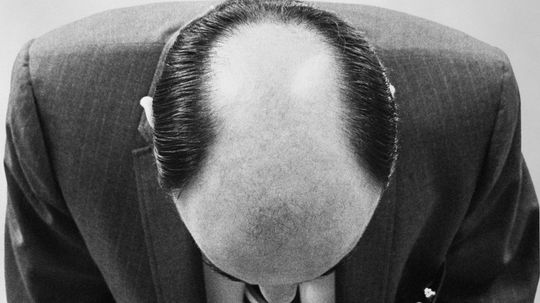
Usually men go bald on top or at the front, while hair remains at the back of the head. What's the reason for this?
By Alia Hoyt
Advertisement
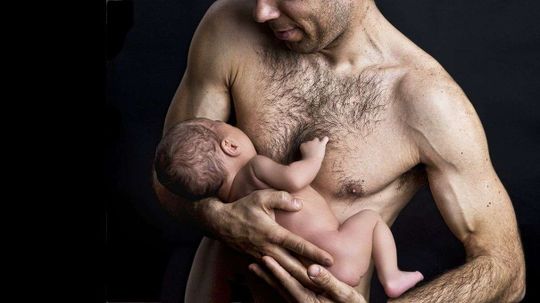
It's an age-old question and one scientists still ponder: Why do men have nipples? It all boils down to humans' evolutionary advantage.

Survey gives the top reasons why men avoid those folks in white coats. Guess what's number one.

Sure, a ripped back can be an attention getter â€" that's why all of us guys want one. But the back is also the starting point for many of the movements you go through each day, and that muscular back can contribute to your overall health. Now, if only you knew how to get one … we can help.
By Thomas Moore
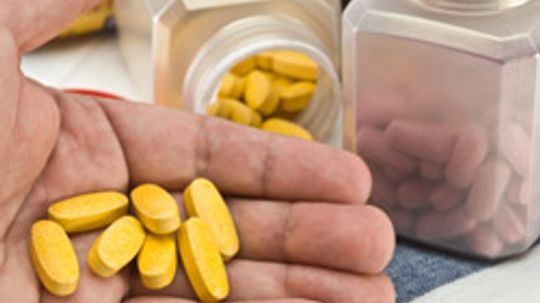
Because there's an almost inexhaustible array of men's supplements, choosing which ones to take can be tricky. So how do you determine which supplements really make a difference in men's health?
Advertisement

It's normal for a small amount of PSA to be found in the blood, but a higher-than-normal level can indicate a problem. How do you keep those levels down?
A hot shower after your workout encourages blood flow toward your skin, soothing your muscles to help you relax and feel good. But what are the benefits of taking a cold shower instead?

Good hygiene is useful for more than just washing away bacteria and other potentially dangerous things -- it also helps us smell fresh and feel confident. But how do we achieve the best, and cleanest, results?
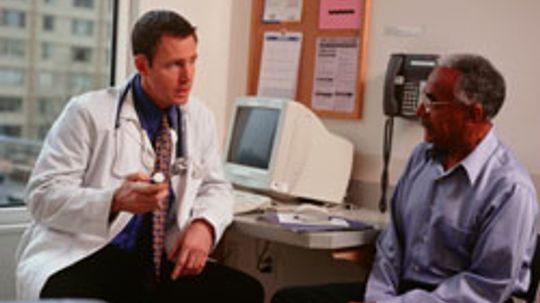
Men are notorious for avoiding a trip to the doctor's office, but that attitude could result in some serious health problems. Find out why you might need to visit more often and what you should be asking while you're there.
Advertisement
We all know that showering after a workout is vital to our social lives. But did you know that showering before you exercise may help you get the most out of your workout?
While men's soap usually comes in solid-colored packaging that evokes masculinity with words like "power" or "blast," women's soaps have images of swans or floating flower petals. But other than advertising gimmicks, how are men's soaps different?
By Tom Scheve

When stepping outside in a hot climate, you can end up looking like you just ran a marathon in a matter of minutes. What can you do to beat the heat?
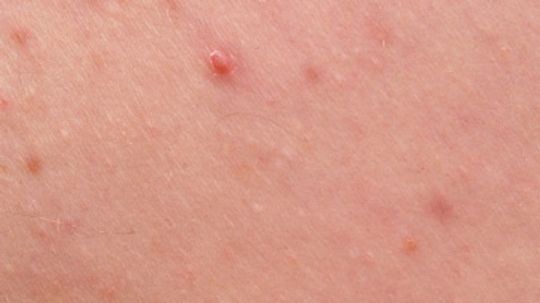
You look in the mirror to see a pus-filled volcano forming on your nose. You turn around to catch a glimpse of the cyst-like pimples taking up residence on your back. No, you haven't caught the plague -- it's acne. So how do you get rid of it?
By Jill Jaracz
Advertisement
Sweaty, stinky feet result from natural but inconvenient biological functions. But it's possible to control foot odor by washing your feet regularly with the right antibacterial cleanser.
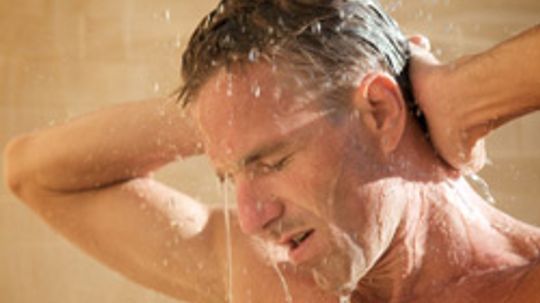
Your skin is your body's biggest organ, and there's a seemingly endless array of products to keep that skin squeaky clean and smelling fresh. But even the best products can't work their magic if you're not getting all you can out of your shower.
You may be a practical kind of guy who simply grabs whichever bar of soap is in the shower stall every morning. But are there reasons not to use the same soap as a woman?
Let's face it -- not every man's a morning person. And for those who aren't, just getting out the door on time can be as difficult as trying to solve a complex math problem. How can men speed up and streamline their morning routines?
Advertisement
It's a common misconception that men don't care about hygiene products, and though smelling like roses may not be a man's goal, nobody wants to look unkempt or stink. So what are some products no man should do without?

Listen up, men. Personal hygiene matters, from keeping you healthy to keeping the women in your life, well, around you. But why do women care so much about a man's hygiene?
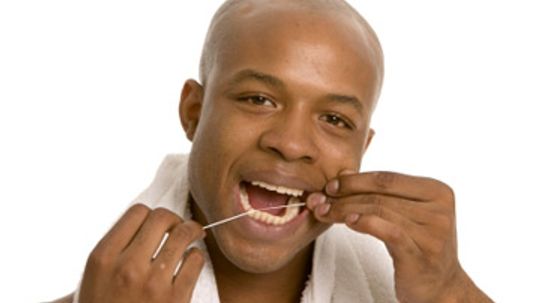
Despite our best efforts, more than 10 million American adults miss work due to health problems each year. But we can take some simple steps to avoid becoming part of this statistic. How can good hygiene help us protect our health?

Whether you're looking for your first job out of college or recovering from a layoff, you know how important it is to ace interviews. Your qualifications say a lot, but so does your hygiene. How can you make sure it says the right things about you?
By Tom Scheve
Advertisement
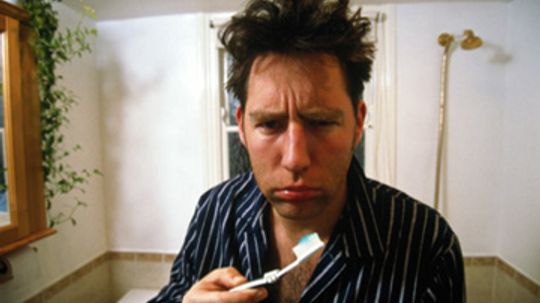
If you don't feel like facing the world, you may force the issue by forgoing personal hygiene. But does insecurity cause poor hygiene, or the other way around?
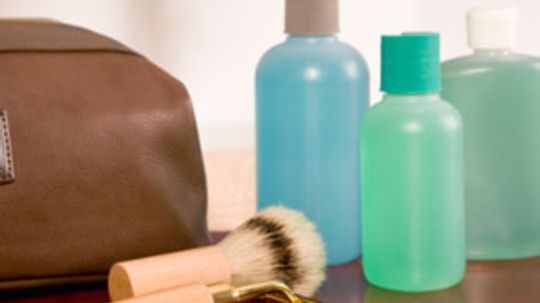
It's known by many names from toiletry bag to Dopp kit but whatever you call it, you have to have one. The hygiene bag carries the essentials for free-loading, cross-country couch surfers and sophisticated business travelers. So, what are those essentials?