
Medications
There are medications for just about anything, whether it's a headache or something more serious. Get informed about prescription and over-the-counter drugs and medicine.

Is Your Hospital Diverting Ambulances Because of COVID-19?

How Ambulances Work

Can You Go to the ER Without Health Insurance?

Womanikin: Overcoming the Stigma of Breasts and CPR

Women Less Likely to Receive CPR in Public, Study Finds
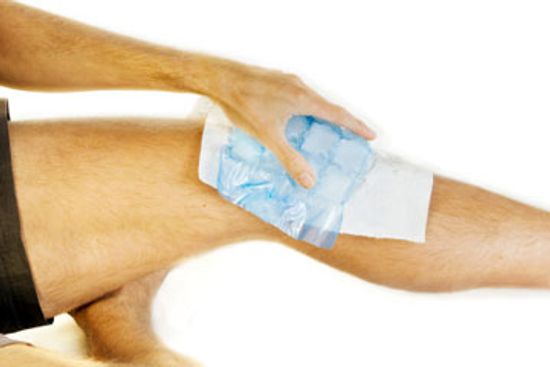
Should you use ice or heat to treat an injury?
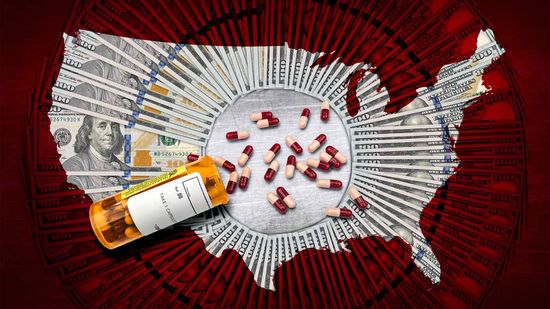
Mark Cuban Wants to Solve the U.S. Prescription Drug Price Crisis
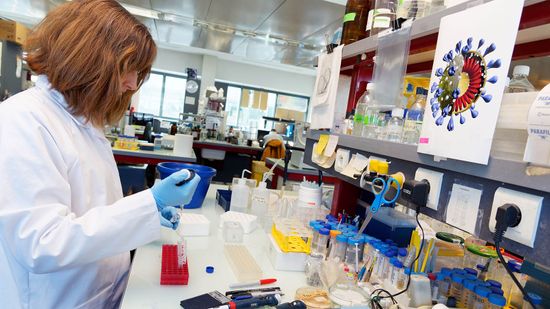
Epidemiologists Are the 'Disease Detectives' Protecting Public Health

Should Doctors Have to Pay Patients for Running Late?
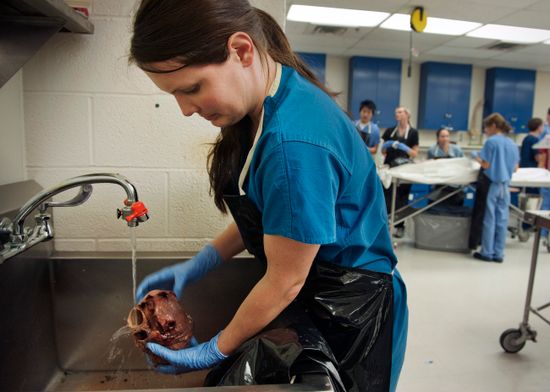
Medical Schools Have Come a Long Way From Grave Robbing to Get Cadavers

Compression Wear Is Key to Sports and Surgical Recovery

How Doctor On Demand Works

Anesthesia Awareness: When You're 'Awake and Aware' During Surgery

Prehab Could Make Your Recovery From Surgery a Bit Easier

You Need It Like a Hole in the Head: The Ancient Medical Art of Trepanation
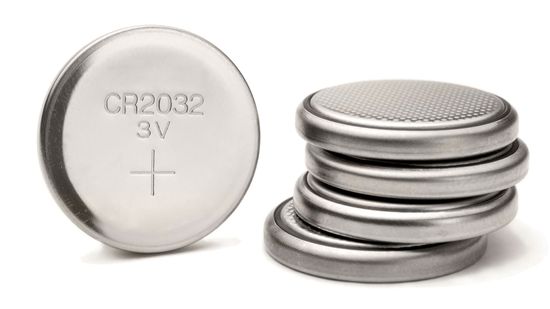
Honey Can Help If Your Child Swallows a Button Battery

What Is the Rarest Personality Type?
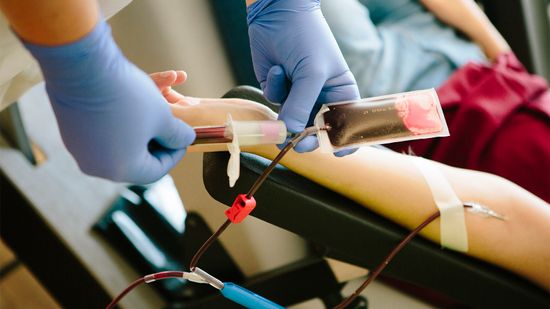
Veins, Needles, Yikes: What to Know Before Having Blood Drawn

Are Army medics and doctors on the front lines?
Can civilians become doctors in the U.S. Army?
Do Army doctors and medics carry weapons?
Learn More
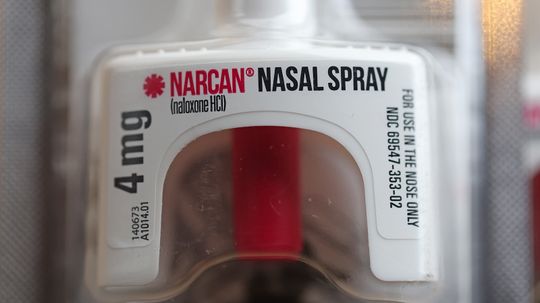
The FDA's greenlighting of over-the-counter naloxone means that it will be available for purchase without a prescription at more than 60,000 pharmacies nationwide.
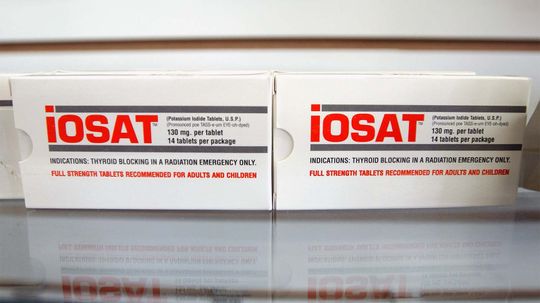
Demand for potassium iodide pills has surged since Russia attacked Ukraine and threats of nuclear war loom. But why these pills, and what do they have to do with nuclear radiation?
It all comes down to the type of medicine, how much is required, and how quickly it needs to be absorbed.
Advertisement
U.S. President Donald Trump has been touting the malaria drug chloroquine as a possible miracle drug for coronavirus. Should we all be taking chloroquine?
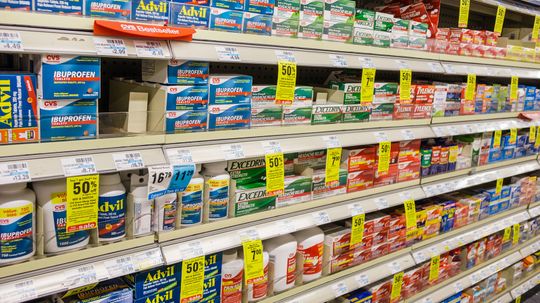
If you've got a pain in your head or body, you'll probably reach for whatever's in your medicine cabinet. But is it really the right treatment? One size doesn't fit all - we explain the differences in pain relievers.
By Alia Hoyt

When you feel like you're between a rock and a hard place, a stool softener could get you out of a jam.
By Loraine Fick
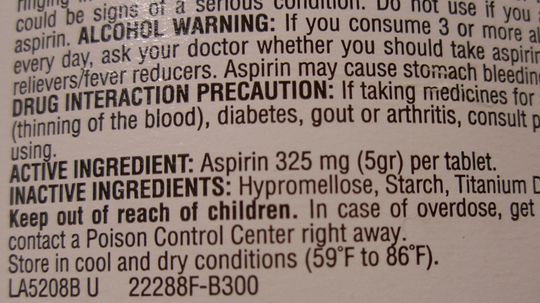
We're all familiar with the lists of active ingredients on the products we use, but what are inactive ingredients and how can they affect you?
By Alia Hoyt
Advertisement
Not all drugs are created equal. And not all drugs are prescribed for the particular conditions they're technically approved to treat, either. That's when they fall into the off-label category, and they're more common than you think.

Hearing loss due to loud noise or certain medicines is irreversible, but soon we might be able to prevent hearing loss before it begins.

A single vial of snakebite antivenom can run thousands of dollars. Why? It actually has little to do with the production process.

A new study found gifts from pharmaceutical reps could be influencing the prescribing behavior of doctors.
By Alia Hoyt
Advertisement
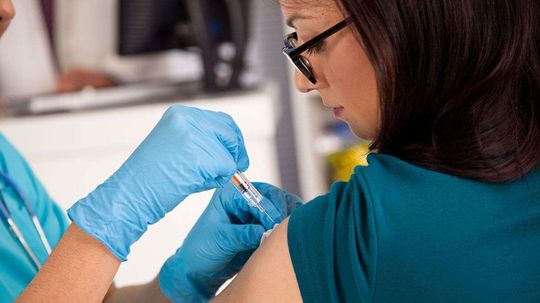
The current U.S. recommendation is to get a tetanus shot every 10 years. Will this new study change CDC guidelines?
By Alia Hoyt

Bee stings hurt, so it seems like an odd proposition to get them on purpose. Believe it or not, the venom that makes that sting may also benefit humans in therapy.
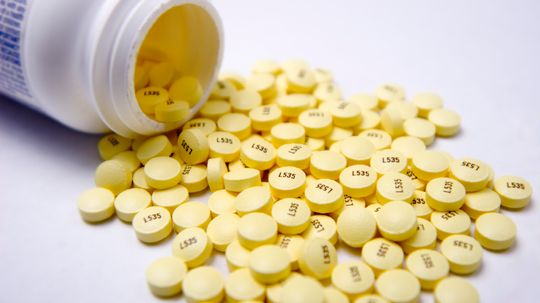
Sometimes it's a lot easier to just take that expired cold medicine than run out to the drugstore when you're feeling sick. But are those expired meds even working? Or, worse, are they causing you harm?
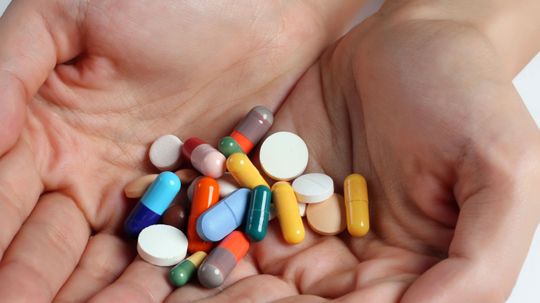
There's an assortment of medications on the market to treat depression. But many of them are also effective for managing other health issues.
Advertisement
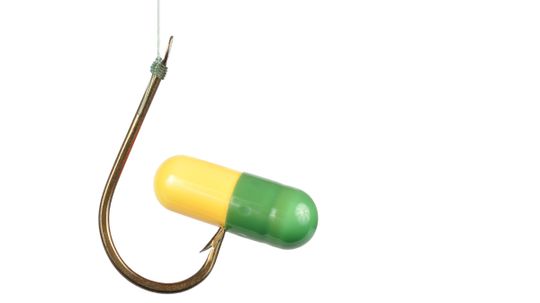
Doomsday preppers recommend stocking up for the collapse of civilization -- and that includes antibiotics. But if you're getting them without a prescription, you're getting the veterinary kind.

When you're sick, sleep is one of the best things you can do to get better. But when you're several days into your antibiotics and still dragging, what's the cause: your illness or its cure?

Once you've gotten a sunburn during a course of antibiotics, you'll never forget the SPF again. But why would they lead to a burn in the first place?
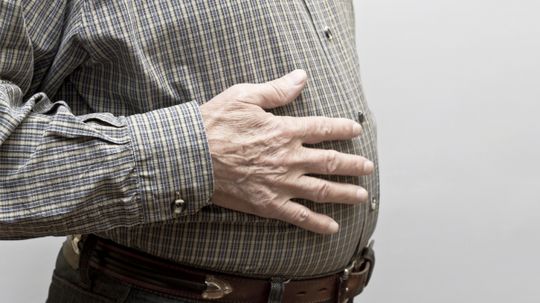
Antibiotics are great at curing infections. But some are also great at upsetting your stomach and causing diarrhea. Which ones do we need to watch out for?
Advertisement
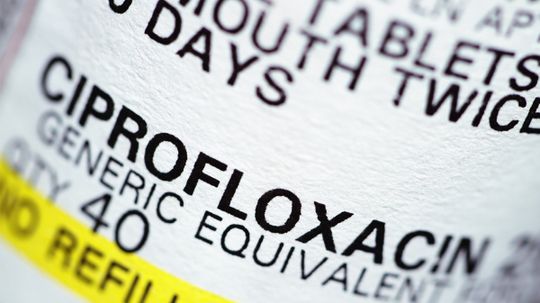
With some infections, it's hard to tell what may be causing your illness. And if it's serious, there's no time to wait for test results. Enter the broad-spectrum antibiotic -- and the problems it brings with it.
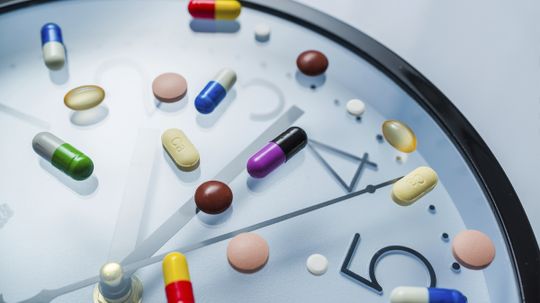
Humans tend to be forgetful when it comes to things that don't really interest us. Where did we put our keys? Did we take that last dose of antibiotics? We don't know about your keys, but we can help you with the penicillin question.

Antibiotics save lives. But broad-spectrum antibiotics can really do a number on the delicate ecosystem in your intestines -- and the recovery time may surprise you.

"Misbehaving periods" doesn't appear on any list of medication side effects, but as many women can attest, menstrual irregularities aren't uncommon when you're taking antibiotics. The culprit may not be the drugs.
Advertisement
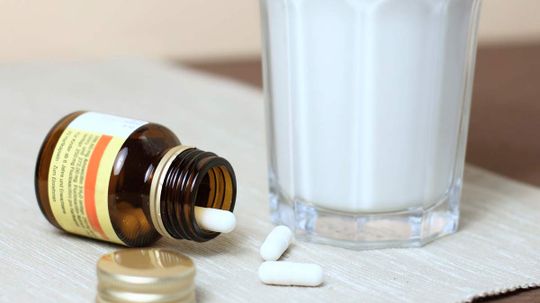
Some medications are high-maintenance about what foods you pair them with. A commonly prescribed heart drug, for example, can't be with black licorice. There are also certain antibiotics that just don't go well with a glass of milk.
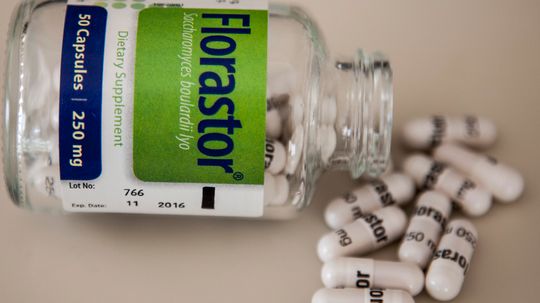
Some antibiotics are a little too good at cleansing your system. As in, you might find yourself literally running to the bathroom to deal with the side effects. Can probiotics solve the problem?